Coal mining conveyor chain systems are essential for the transportation of materials in the mining process. These systems are composed of several components, including chains, sprockets, and sensors. In this article, we will focus on the role of sensors in coal mining conveyor chain systems and how they contribute to efficient and safe mining operations.
Understanding the importance of sensors in coal mining conveyor chain systems
Sensors are crucial components of coal mining conveyor chain systems. They are designed to detect and report any deviations from the normal functioning of the system. They help to ensure that the system runs smoothly, efficiently, and safely. Here are some of the roles sensors play in coal mining conveyor chain systems:
Sensor-controlled start and stop
Sensors are used to detect the presence of materials on the conveyor belt. When materials are detected, the sensors send a signal to the control system, which starts the conveyor belt. Conversely, when materials are no longer detected, the sensors send a signal to stop the conveyor belt.
Preventing conveyor belt overload
Sensors are also used to prevent the conveyor belt from overloading. They monitor the weight of the materials on the belt and send an alert signal to the control system when the weight exceeds the maximum limit. This helps to prevent damage to the conveyor chain system and ensures the safety of the workers.
Monitoring conveyor belt speed
Sensors are used to monitor the speed of the conveyor belt. They detect any changes in speed and send a signal to the control system, which adjusts the speed accordingly. This helps to ensure that the conveyor chain system runs smoothly and efficiently.
Preventing conveyor belt slippage
Sensors are also used to prevent conveyor belt slippage. They detect any slippage and send a signal to the control system, which adjusts the speed and tension of the conveyor belt to prevent slippage. This helps to ensure that the conveyor chain system runs without interruptions.
Types of sensors used in coal mining conveyor chain systems
There are several types of sensors used in coal mining conveyor chain systems. These include:
Proximity sensors
Proximity sensors are used to detect the presence of materials on the conveyor belt. They use magnetic, capacitive, or inductive sensing to detect the materials.
Load cells
Load cells are used to measure the weight of the materials on the conveyor belt. They are placed at strategic points on the conveyor chain system to monitor the weight of the materials.
Speed sensors
Speed sensors are used to monitor the speed of the conveyor belt. They use a variety of technologies, including optical, magnetic, and acoustic, to detect changes in speed.
Slippage sensors
Slippage sensors are used to detect conveyor belt slippage. They use infrared or ultrasonic technology to detect any slippage.
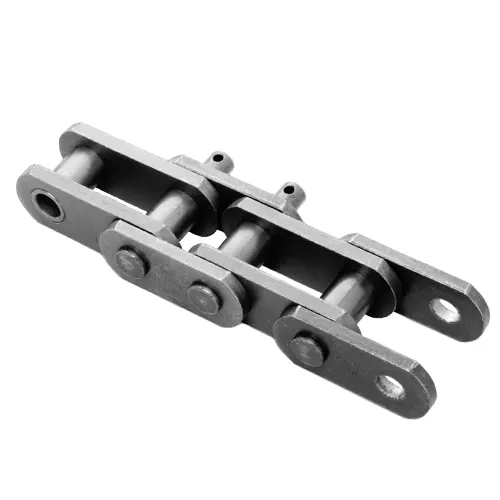
The importance of sprockets in mining chains
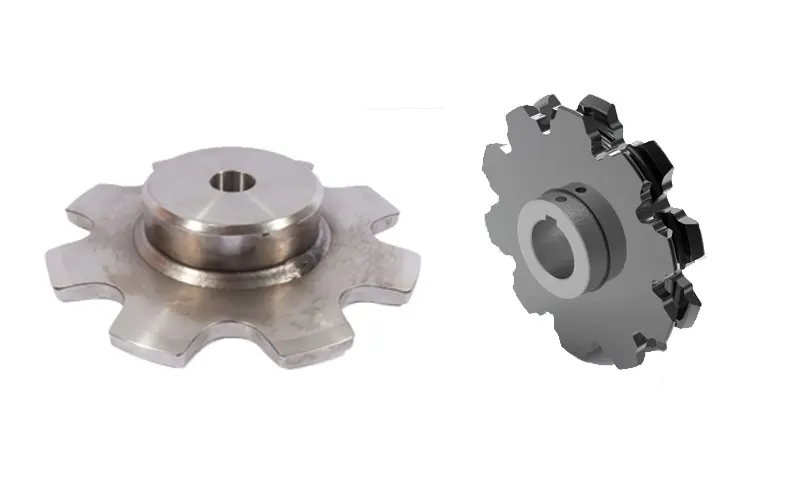
Sprockets are an essential component of mining chains. They play a significant role in the efficiency and safety of the conveyor chain system. Here are some of the ways sprockets contribute to efficient mining operations:
Optimal transfer of power
Sprockets are designed to ensure the optimal transfer of power from the conveyor belt to the mining chains. They are designed to match the pitch of the chains, which helps to minimize the wear and tear of the chains and increase their lifespan.
Reduced wear and tear
Sprockets are also designed to reduce wear and tear on the mining chains. They are made of high-quality materials that can withstand the harsh conditions of mining operations and reduce the need for frequent chain replacements.
Improved safety
Sprockets also play a role in ensuring safety in mining operations. They are designed to prevent chain slippage and ensure that the conveyor chain system runs smoothly and efficiently.
About Ever-power
Ever-power is a leading manufacturer of mining chains and conveyor chain systems. Here are some of the advantages of choosing Ever-power:
High-quality products
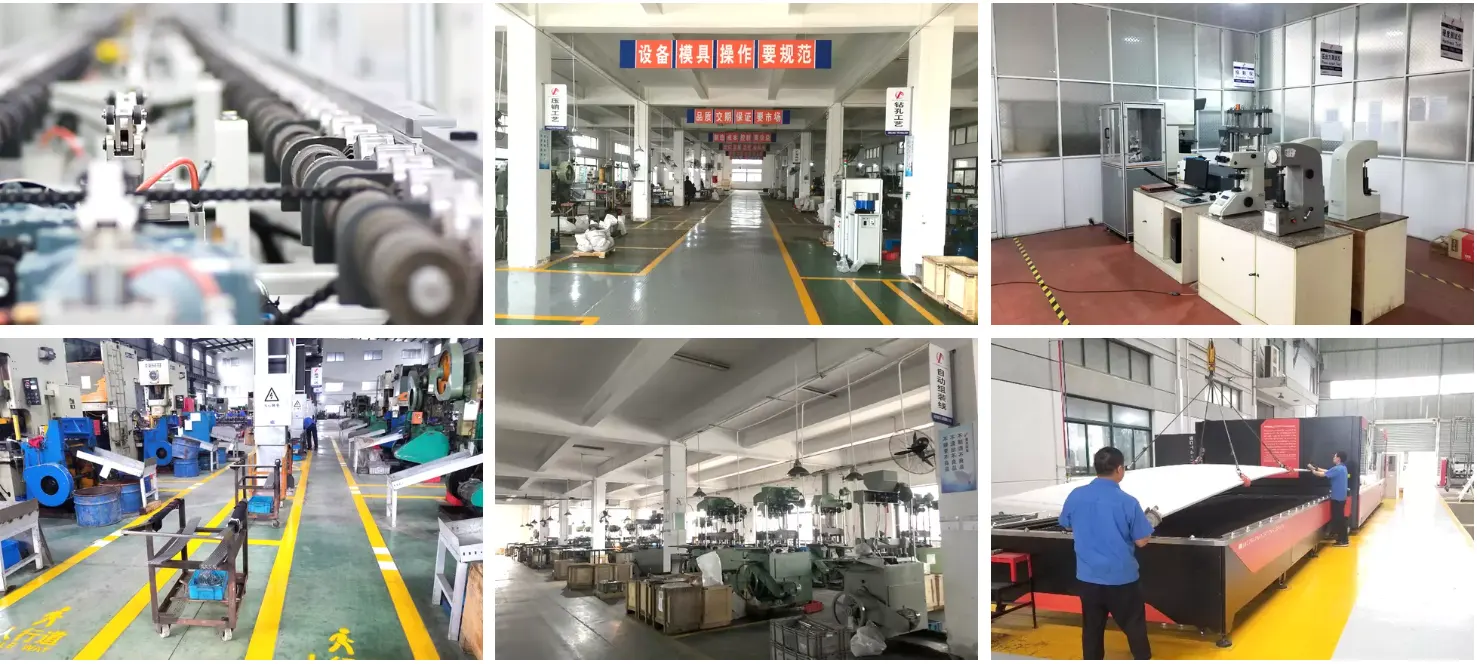
Ever-power is committed to providing the highest quality products to its customers. Its mining chains and conveyor chain systems are made of high-quality materials and are designed to withstand the harsh conditions of mining operations.
Advanced production technology
Ever-power uses advanced production technology to manufacture its mining chains and conveyor chain systems. This allows it to produce high-quality products efficiently and at a lower cost.
Reputable clients
Ever-power has a reputation for providing high-quality products and services to its clients. Its main clients are in Europe and America and are highly satisfied with the quality of its products and services.
Competitive pricing
Ever-power offers competitive pricing for its mining chains and conveyor chain systems. It is committed to providing the best value for its customers.
Excellent customer service
Ever-power is committed to providing excellent customer service to its clients. Its customer service team is available to assist customers with any questions or concerns they may have.
Encouraging customers to explore the products
We encourage our customers to explore our products and contact us for any inquiries and purchases. We¡¯re happy to provide the best service and products on the market.
Sprockets for mining chains – Q&A
Q: What materials are sprockets made of?
A: Sprockets are made of high-quality materials, including steel and cast iron, which can withstand the harsh conditions of mining operations.
Q: How often should sprockets be replaced?
A: Sprockets should be replaced when they show signs of wear and tear, such as cracks or deformation. The replacement interval depends on the intensity of the operation.
Q: How do sprockets contribute to the efficiency of mining operations?
A: Sprockets ensure the optimal transfer of power from the conveyor belt to the mining chains, reducing wear and tear on the chains and increasing their lifespan. They also prevent chain slippage and ensure the smooth and efficient operation of the conveyor chain system, contributing to efficient mining operations.
Edited by: Zqq.