What is the role of gear shaft material selection in noise reduction?
Introduction:
Gear shafts are critical components in various mechanical systems, playing a crucial role in transmitting torque and motion. One often overlooked aspect of gear shaft design is the material selection, which can have a significant impact on noise reduction. In this article, we will explore the importance of gear shaft material selection in minimizing noise and vibration in mechanical systems.
1. Acoustic properties of gear shaft materials:
When it comes to noise reduction, understanding the acoustic properties of different gear shaft materials is essential. Certain materials possess inherent damping properties, which can effectively absorb vibrations and reduce noise levels. For instance, composite materials with viscoelastic properties, such as carbon fiber reinforced polymers, are known for their excellent damping characteristics, making them a suitable choice for noise-sensitive applications.
1.1. Carbon fiber reinforced polymers:
Carbon fiber reinforced polymers (CFRP) have gained popularity in gear shaft material selection due to their exceptional acoustic characteristics. CFRP composites consist of carbon fibers embedded in a polymer matrix, offering high strength-to-weight ratio, low density, and excellent damping properties. The viscoelastic nature of CFRP allows it to effectively attenuate vibrations and reduce noise transmission, making it an ideal material for noise reduction purposes.
1.1.1. Internal friction of CFRP:
The internal friction of CFRP materials plays a vital role in noise reduction. It refers to the energy dissipation within the material when subjected to mechanical stress or vibrations. CFRP exhibits high internal friction, which helps in absorbing and dissipating the vibrational energy, resulting in reduced noise levels. This damping property makes CFRP an excellent choice for gear shafts operating in noise-sensitive environments.
2. Material stiffness and noise reduction:
Another crucial aspect to consider in gear shaft material selection is stiffness, as it directly affects noise generation and transmission. The stiffness of the material determines the natural frequency of the gear system, influencing the occurrence of resonance and undesirable vibrations. By choosing a material with appropriate stiffness characteristics, noise levels can be effectively reduced.
2.1. Steel alloys:
Steel alloys, such as hardened steels, are commonly used in gear shafts due to their high strength and stiffness properties. However, the rigidity of steel alloys can sometimes lead to increased noise levels, particularly when operating at high speeds. To mitigate this issue, various techniques, such as surface treatments and coatings, can be employed to dampen vibrations and reduce noise transmission.
2.1.1. Surface treatments for noise reduction:
Applying surface treatments, such as nitriding or shot peening, to steel gear shafts can significantly improve their noise reduction capabilities. These treatments induce compressive residual stresses on the gear surface, which enhances its ability to withstand vibrational forces. Consequently, the noise generated by the gear system is reduced, ensuring smoother and quieter operation.
3. Considerations for gear shaft material selection:
When selecting the appropriate material for gear shafts to achieve noise reduction, several factors should be taken into account:
3.1. Operating conditions:
The environmental conditions in which the gear shaft operates play a crucial role in material selection. Factors such as temperature, humidity, and exposure to corrosive agents can affect the performance and longevity of the chosen material. It is essential to choose a material that can withstand the operating conditions without compromising noise reduction capabilities.
3.1.1. Corrosion resistance:
In applications where gear shafts are exposed to corrosive environments, selecting materials with excellent corrosion resistance is paramount. Corrosion can weaken the material, leading to premature failure and increased noise levels. Stainless steels and corrosion-resistant alloys, such as titanium and nickel-based alloys, are commonly used in such scenarios to ensure both durability and noise reduction.
Conclusion:
Proper gear shaft material selection plays a vital role in noise reduction within mechanical systems. By understanding the acoustic properties, such as damping characteristics, and considering factors like stiffness and operating conditions, engineers can choose the most suitable material to minimize noise and vibration. Whether it’s utilizing carbon fiber reinforced polymers for their excellent damping properties or employing surface treatments to enhance noise reduction capabilities, gear shaft material selection should not be underestimated when aiming for quieter and smoother mechanical systems.
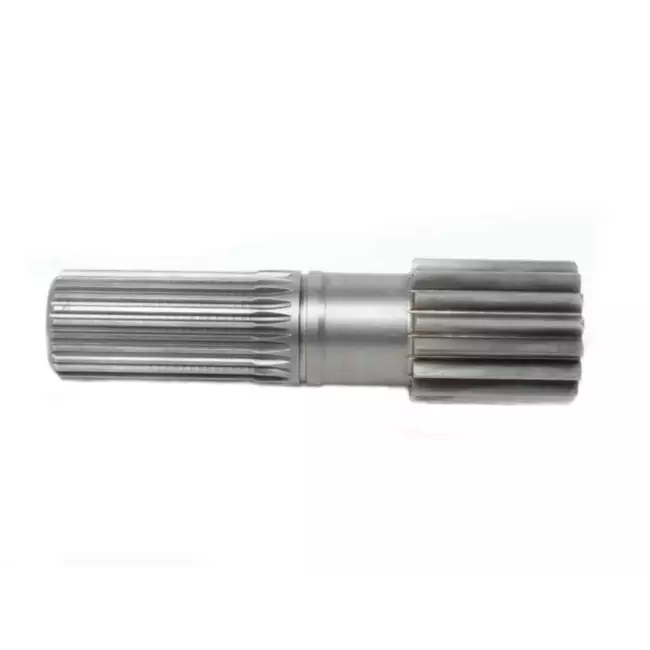
Our company specializes in the production and sale of various types of gears and gear shafts. With years of experience and expertise in the industry, we have established ourselves as a leading provider in the market. Here are five key advantages that set us apart:
Advantages of Choosing Our Company
- High-Quality Products: We pride ourselves on delivering gears and gear shafts of exceptional quality that meet the highest industry standards.
- Advanced Manufacturing Technology: Our state-of-the-art manufacturing facilities and cutting-edge technology ensure precision and efficiency in the production process.
- Customization Options: We offer a wide range of customization options to cater to the unique needs and specifications of our clients.
- Timely Delivery: We understand the importance of timely delivery and strive to meet our customers’ deadlines without compromising on quality.
- Excellent Customer Service: Our dedicated team is committed to providing exceptional customer service, ensuring a smooth and satisfactory experience for our clients.
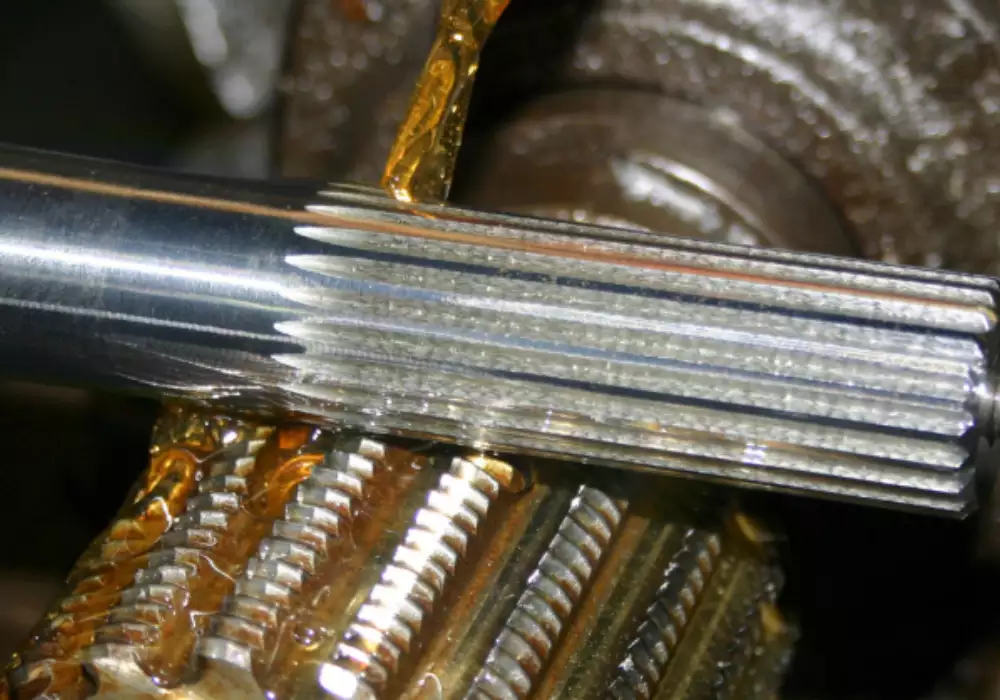
Gear shafts play a crucial role in mechanical power transmission systems. They serve as the link between the gear and the motor, enabling the transfer of rotational motion. The material selection for gear shafts is of utmost importance in noise reduction and overall performance enhancement.
Importance of Gear Shaft Material Selection
The choice of gear shaft material directly impacts the noise levels and efficiency of a mechanical system. Factors such as strength, durability, and vibration dampening properties need to be considered when selecting the material for gear shafts.
Key Factors in Gear Shaft Material Selection
1. Strength and Hardness: The material should have high strength and hardness to withstand the loads and stresses during operation.
2. Wear Resistance: The gear shaft material should possess excellent wear resistance to ensure a longer lifespan and minimize maintenance requirements.
3. Fatigue Resistance: It is essential to choose a material that can withstand repetitive loading without developing cracks or failures.
4. Damping Properties: The material should have good damping properties to absorb vibrations and reduce noise levels in the system.
5. Cost-effectiveness: The cost of the material should be considered without compromising on the required performance and quality standards.
Our gear shaft manufacturing process involves various techniques such as cutting (turning, milling, grinding), heat treatment (quenching, tempering, carburizing), and special processes like gear hobbing and shaving.
Throughout various industries, gear shafts find application in diverse areas such as automotive, industrial machinery, and power transmission systems. Analyzing failure cases and implementing preventive measures is crucial to ensure optimal performance and durability in these applications.
Partner with us to experience the benefits of our superior gears and gear shafts. We are dedicated to meeting your specific requirements and delivering the highest quality products and services.
Author: Miya