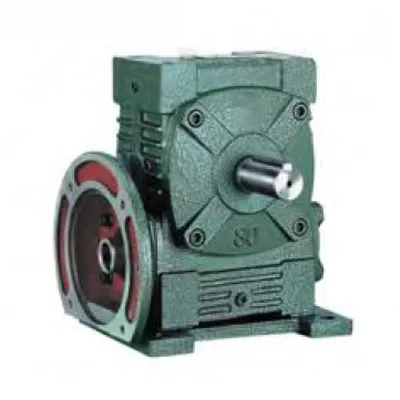
Motor alignment plays a crucial role in the performance and lifespan of WP series cast iron worm gearmotors. Proper alignment ensures that the motor and gearmotor are working together efficiently and effectively. In this article, we will explore the importance of motor alignment in WP series cast iron worm gearmotors, and how it impacts the performance of these critical components in industrial machinery and equipment.
What Is Motor Alignment?
Motor alignment is the process of ensuring that the motor shaft and gearmotor shaft are perfectly aligned. This is essential for optimal performance and avoiding premature wear and tear. Misaligned motors can cause uneven power transmission, excessive vibration, and ultimately, damage to the gearmotor, motor, or both.
The Importance of Motor Alignment in WP Series Cast Iron Worm Gearmotors
Proper motor alignment is essential for the efficient and effective operation of WP series cast iron worm gearmotors. Misalignment can cause a host of problems, including reduced efficiency, increased wear and tear, and higher energy consumption. All of these issues can contribute to higher maintenance costs and reduced productivity in industrial machinery and equipment.
Reduced Efficiency
Inefficient power transmission is one of the primary issues caused by misaligned motors. When the motor and gearmotor shafts are not aligned, the gearmotor will not receive the full power of the motor. This can result in reduced efficiency, as the gearmotor will not be able to operate at its full capacity.
Increased Wear and Tear
When the motor and gearmotor are misaligned, they are subjected to increased stress and wear and tear. This can lead to premature failure of both components, which can result in costly repairs or replacements. Proper motor alignment can help reduce wear and tear on these critical components and extend their lifespan.
Higher Energy Consumption
Misaligned motors can also result in higher energy consumption. When the motor and gearmotor shafts are not aligned, the gearmotor will require more energy to operate, which can lead to higher energy bills and increased operating costs for industrial machinery and equipment.
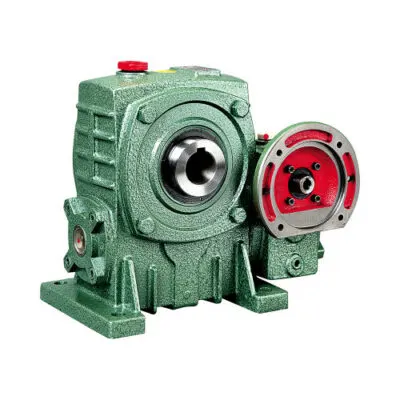
How to Perform Motor Alignment in WP Series Cast Iron Worm Gearmotors
The process of motor alignment in WP series cast iron worm gearmotors involves several steps.
Step 1: Check Alignment
The first step in motor alignment is to check the current alignment of the motor and gearmotor shafts. This can be done using a laser alignment tool or dial indicator. If misalignment is detected, adjustments will need to be made.
Step 2: Adjust Motor Position
The next step is to adjust the position of the motor to align it with the gearmotor shaft. This may involve loosening fasteners and making small adjustments to the motor’s position until it is perfectly aligned with the gearmotor shaft.
Step 3: Check Alignment Again
Once the motor position has been adjusted, it is important to check the alignment again to ensure that it is perfectly aligned with the gearmotor shaft. This can be done using a laser alignment tool or dial indicator.
Step 4: Tighten Fasteners
Once the motor and gearmotor shafts are properly aligned, all fasteners should be tightened to the manufacturer’s specifications. This will help ensure that the motor and gearmotor remain perfectly aligned during operation.
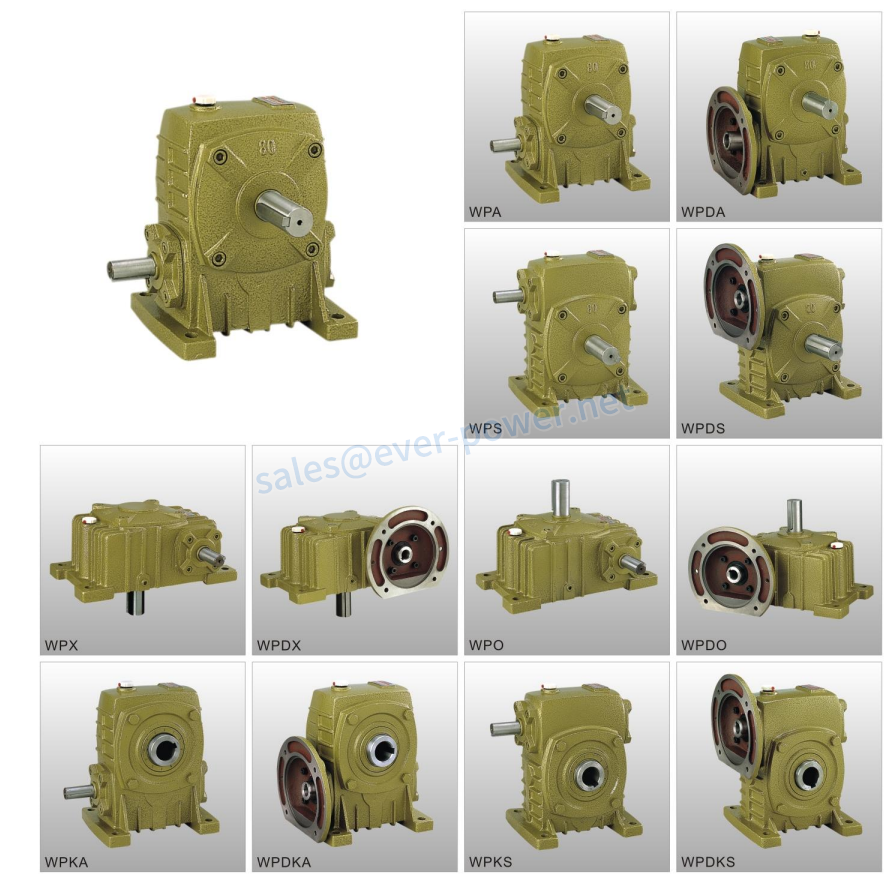
Electric motors for Sale
Electric motors and WP series cast iron worm gearmotors are integral components in industrial machinery and equipment. They work together to provide efficient and reliable power transmission for a wide range of applications. At Ever-power, we offer a range of high-quality electric motors for sale, along with our WP series cast iron worm gearmotors.
The relationship between gearboxes and electric motors is symbiotic. Gearboxes provide the necessary torque and speed reduction for electric motors to operate efficiently. Without gearboxes, electric motors would have limited applications. Conversely, electric motors are critical components in gearmotors, providing the power necessary to drive industrial machinery and equipment.
At Ever-power, we understand the importance of this relationship, which is why we offer high-quality electric motors for sale alongside our WP series cast iron worm gearmotors. Our electric motors are designed to work seamlessly with our gearmotors, providing efficient and reliable power transmission for a wide range of applications.

About Ever-power
Ever-power is a leading manufacturer of transmission equipment, specializing in speed reducers. With over 15 years of experience in the design, production, manufacture, and sale of gearboxes, we have established a reputation for providing high-quality products at competitive prices. Our gearboxes are used in a wide range of industries, including the equipment industry, food industry, car washing industry, packaging industry, transmission industry, automation industry, and solar energy industry.
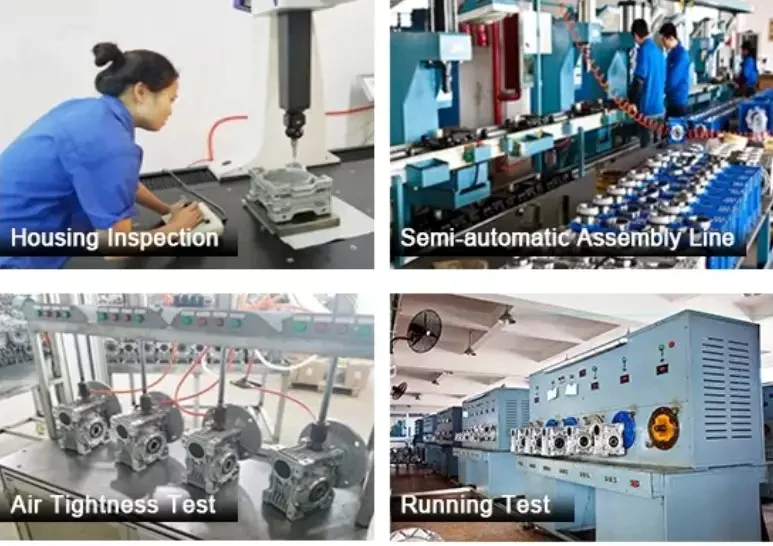
At Ever-power, we pride ourselves on our commitment to innovation, quality, and customer service. We invest in advanced production equipment and testing equipment to ensure that our products meet the highest standards of quality and efficiency. Our team of industry professionals and technicians is dedicated to carrying out innovative research and development to improve our products’ performance and durability.
Our customers are at the center of everything we do. We work closely with our clients to understand their needs and provide customized solutions that meet their specific requirements. Our goal is to help our clients achieve their business objectives by providing them with the highest quality products, exceptional customer service, and competitive pricing.
Q&A
Q: What is the lifespan of WP series cast iron worm gearmotors?
A: The lifespan of WP series cast iron worm gearmotors depends on several factors, including the application, operating conditions, and maintenance practices. With proper maintenance and care, WP series cast iron worm gearmotors can last for many years.
Q: What are some common causes of misalignment in motor and gearmotor shafts?
A: Some common causes of misalignment include improper installation, wear and tear, and changes in operating conditions. Misalignment can also occur due to changes in temperature or load, or as a result of vibrations or shocks during operation.
Q: Can misaligned motors and gearmotors be repaired, or do they need to be replaced?
A: In some cases, misaligned motors and gearmotors can be repaired. However, it is often more cost-effective to replace the components, particularly if they are showing signs of wear and tear or have reached the end of their lifespan.
Edited by: Zqq.