What is the importance of gear shaft concentricity?
1. Introduction
Gear shaft concentricity plays a crucial role in various mechanical systems. This article explores the significance of gear shaft concentricity in ensuring optimal performance and reliability.
2. Understanding Gear Shaft Concentricity
Gear shaft concentricity refers to the alignment of the gear shaft’s rotational axis with its geometric center. It determines the accuracy and smoothness of power transmission in a mechanical system.
3. The Role of Gear Shaft Concentricity
3.1 Reduction of Vibrations
Gear shaft concentricity minimizes vibrations by ensuring balanced rotation and reducing eccentric forces. This leads to improved system stability and longevity.
3.2 Enhanced Efficiency
Optimal gear shaft concentricity results in reduced power losses due to friction and misalignment. This translates to improved efficiency and energy savings in mechanical systems.
3.3 Noise Reduction
By maintaining proper gear shaft concentricity, noise generation can be minimized. Misalignment and vibrations, which are common in systems with poor concentricity, contribute to increased noise levels.
4. Factors Affecting Gear Shaft Concentricity
4.1 Manufacturing Precision
The accuracy and precision of the gear shaft manufacturing process significantly impact concentricity. Close tolerances, precise machining, and quality control measures are essential to achieve optimal concentricity.
4.2 Assembly Techniques
The assembly process plays a crucial role in maintaining gear shaft concentricity. Proper alignment and careful handling during assembly are necessary to preserve concentricity and ensure optimal performance.
4.3 External Factors
External forces such as temperature variations, mechanical shocks, and dynamic loads can affect gear shaft concentricity. Adequate design considerations and robust engineering can minimize the impact of these factors.
5. Importance of Regular Maintenance
Regular inspection and maintenance are crucial to ensure consistent gear shaft concentricity. Lubrication, alignment checks, and periodic measurements help identify and rectify any deviations, ensuring optimal performance and longevity.
6. Conclusion
Gear shaft concentricity is of paramount importance in mechanical systems. It directly influences performance, efficiency, and reliability. Proper manufacturing, assembly, and maintenance practices are essential to maintain optimal gear shaft concentricity and maximize the benefits it offers.
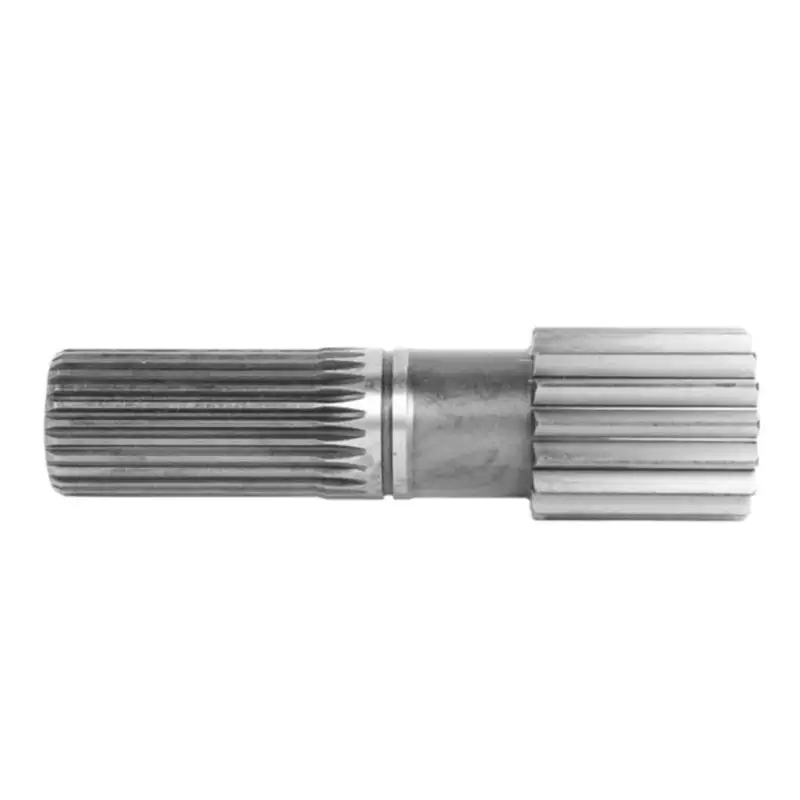
Our company specializes in the production and sale of various types of gears and gear shafts. With years of experience in the industry, we have established ourselves as a leading provider in the market. Here are five key advantages of choosing our company:
Advantages of Choosing Us
- High-Quality Products: We pride ourselves on delivering gears and gear shafts that meet the highest industry standards. Our products are reliable, durable, and designed to withstand rigorous use.
- Advanced Technology: We utilize the latest technology and machinery to manufacture our gears and gear shafts. This allows us to ensure precision and accuracy in every product we produce.
- Customization Options: We understand that every project has unique requirements. That’s why we offer customizable solutions to meet your specific needs. Our team of experts will work closely with you to design and produce gear shafts that perfectly fit your application.
- Timely Delivery: We prioritize prompt delivery to ensure your projects stay on track. We have streamlined our production and logistics processes to minimize lead times and deliver our products to you when you need them.
- Excellent Customer Service: Our dedicated customer service team is committed to providing exceptional support throughout your experience with us. We are always ready to assist you and address any inquiries or concerns you may have.
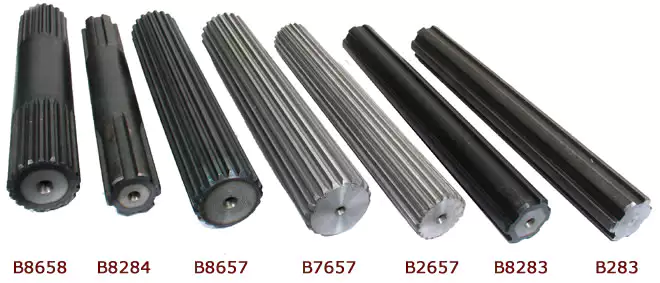
Importance of Gear Shaft Concentricity
Gear shaft concentricity plays a crucial role in mechanical transmission systems. It refers to the alignment of the rotational axes of the gear and the shaft. Here are some reasons why gear shaft concentricity is important:
- Smooth and Efficient Power Transmission: Proper gear shaft concentricity ensures that power is transferred smoothly and efficiently between the gear and the shaft, minimizing energy loss and increasing overall system performance.
- Reduced Wear and Tear: When the gear and shaft are properly aligned, it reduces excessive friction and wear on the gear teeth, prolonging the lifespan of the components and reducing maintenance costs.
- Avoidance of Vibrations and Noise: Misalignment between the gear and the shaft can result in vibrations and noise during operation. Achieving gear shaft concentricity helps to eliminate these issues, leading to quieter and more stable mechanical systems.
Materials and Selection Criteria for Gear Shafts
When it comes to gear shafts, selecting the right materials and adhering to specific design criteria is crucial. Here are some key considerations:
Materials:
The choice of materials depends on factors such as load capacity, operating conditions, and desired durability. Common materials for gear shafts include hardened steel, stainless steel, and alloy steel.
Selection Criteria:
- Strength and Hardness: Gear shafts should possess sufficient strength and hardness to withstand the anticipated loads and resist wear.
- Tolerance to Heat and Corrosion: Depending on the application, gear shafts may need to withstand high temperatures or exposure to corrosive environments. Choosing materials with appropriate heat and corrosion resistance is essential.
- Machinability: The selected material should be easily machinable to achieve the desired gear shaft dimensions and surface finish.
Manufacturing Process for Gear Shafts
Our gear shafts undergo a comprehensive manufacturing process to ensure their quality and performance:
Cutting Processes:
- Turning: The initial shaping of the gear shaft is done through turning, which involves rotating the workpiece while a cutting tool removes material.
- Milling: Milling is used to create various features on the gear shaft, such as keyways or splines, by removing material with rotary cutters.
- Grinding: Grinding is a precision process that ensures the gear shaft’s dimensional accuracy and surface finish. It is commonly employed to achieve tight tolerances and smooth surfaces.
Heat Treatment:
Heat treatment processes, such as quenching, tempering, and carburizing, are applied to enhance the hardness, strength, and resistance of the gear shaft to wear and deformation.
Special Processes:
- Gear Rolling: Rolling is a cold-forming process that shapes the gear teeth, improving their strength and reducing the potential for tooth breakage.
- Gear Shaving: Shaving is a finishing process that removes a thin layer of material from the gear teeth, resulting in improved tooth geometry and surface finish.
Applications and Failure Analysis of Gear Shafts
Gear shafts find widespread application in various industries, including automotive, aerospace, and heavy machinery. Here are some typical application examples:
- Automotive Transmissions: Gear shafts are critical components in vehicle transmissions, enabling smooth gear shifting and efficient power transmission.
- Industrial Machinery: Gear shafts are used in a wide range of industrial machinery, including pumps, compressors, and conveyor systems, to transmit power and control motion.
- Aerospace Systems: Gear shafts play a vital role in aircraft engines, landing gear mechanisms, and other aerospace systems, ensuring reliable operation and precise control.
Proper maintenance and periodic inspections are essential to prevent gear shaft failures. Common failure modes include excessive wear, fatigue, and misalignment. By following recommended maintenance practices and addressing any signs of wear or damage promptly, the lifespan and reliability of gear shafts can be significantly improved.
Contact us today to discuss your gear shaft requirements and how we can assist you in achieving optimal performance and reliability in your mechanical systems.
Author: Miya