When it comes to mining, conveyor chains are essential for the transportation of bulk materials such as coal, ore, and minerals. These chains are specifically designed to handle the harsh conditions of mining operations, and they differ significantly from other chains used in industries such as agriculture and manufacturing. In this article, we will explore the key differences between coal mining conveyor chains and other chains, and how these differences impact their performance and reliability.
Chain Design
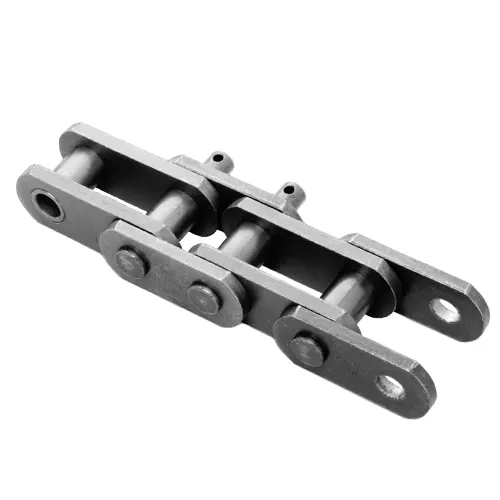
The design of a mining conveyor chain is much more complex than that of a standard chain. Mining chains are designed to withstand heavy loads, high speeds, and harsh environments. One of the key differences between mining chains and other chains is the shape of their links. Mining chains have larger and thicker links than other chains, which allows them to withstand more stress and wear. Additionally, mining chains are often made from more robust materials than other chains, such as alloy steel.
Chain Strength
Mining conveyor chains must be incredibly strong to handle the weight of the materials being transported. Coal mining chains, in particular, must be able to withstand the weight of coal as it moves along the conveyor. Chains used in other industries may not be able to handle the same weight without breaking or failing. Mining chains are also designed to be resistant to stretching, which helps to maintain their strength and prevent sagging.
Wear Resistance
The harsh conditions of mining operations can cause chains to wear out quickly. This is especially true for coal mining chains, which must handle abrasive materials such as coal and rock. Mining chains are designed to be wear-resistant, with materials such as manganese steel used in their construction. Additionally, mining chains are often treated with heat or other processes to increase their durability and resistance to wear.
Lubrication
Mining chains require proper lubrication to perform at their best. Coal mining chains, in particular, operate in dusty environments that can quickly degrade lubricants. To combat this, mining chains are often lubricated with specialty oils and greases that are designed to withstand harsh conditions. Additionally, mining chains may be fitted with seals to prevent contaminants from entering the chain and causing damage.
Chain Maintenance
Mining conveyor chains require regular maintenance to ensure they continue to perform at their best. This includes inspecting the chains for wear or damage, replacing worn or damaged parts, and lubricating the chains. Mining operations may also perform regular tensioning of the chains to ensure they are properly adjusted and prevent sagging.
Sprockets for Mining Chains
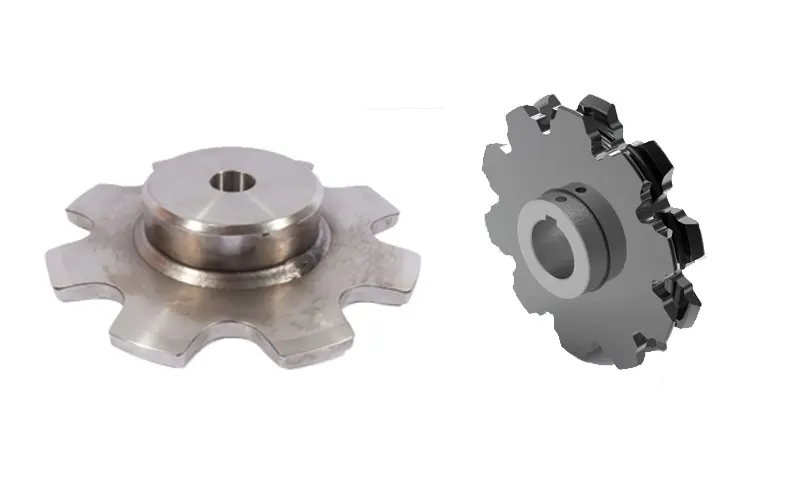
Sprockets are an essential component of mining chains, as they allow the chain to move along the conveyor. Sprockets for mining chains are designed to be heavy-duty, with larger teeth and thicker profiles than sprockets used in other industries. The relationship between sprockets and mining chains is symbiotic, with each component relying on the other for optimal performance. Without strong, reliable sprockets, mining chains would not be able to move materials along the conveyor efficiently.
About Ever-power
Ever-power is a leading manufacturer of mining chains and sprockets. Our chains are designed to meet the specific needs of mining operations, with a focus on strength, durability, and wear resistance. We pride ourselves on providing the highest quality products and services to our customers, with a commitment to innovation and continuous improvement.
Our Advantages
- We use only the highest quality materials in our chains and sprockets.
- We have a state-of-the-art production facility that allows us to manufacture chains and sprockets to the exact specifications of our customers.
- We have a team of experienced engineers who can design custom chains and sprockets for unique applications.
- We have a global network of distributors and service centers, ensuring that our customers have access to our products and services no matter where they are located.
- We are committed to providing the best customer service in the industry, with a focus on responsiveness and problem-solving.
- We offer competitive pricing without compromising on quality.
We encourage customers to explore our products and contact us for more information on how we can meet their mining chain and sprocket needs.

Q&A
Q: What is the maximum weight that a coal mining chain can handle?
A: The weight that a coal mining chain can handle varies depending on the size and type of the chain. However, mining chains are designed to handle heavy loads, including the weight of coal as it moves along the conveyor.
Q: How often should mining chains be lubricated?
A: Mining chains should be lubricated according to the manufacturer’s recommendations. In general, chains should be lubricated regularly to ensure optimal performance and prevent wear and damage.
Q: Can mining chains be repaired if they are damaged?
A: Yes, mining chains can often be repaired if they are damaged. However, it is important to have the chain inspected by a professional to determine the extent of the damage and the best course of action for repair.
Edited by: Zqq.