What is the difference between a gear shaft and an axle?
Introduction
In the world of mechanical engineering, gear shafts and axles play crucial roles in various systems. While they may seem similar, there are distinct differences between them that are worth exploring. This article aims to shed light on the disparities between a gear shaft and an axle, their functions, and their applications.
1. Definition of a Gear Shaft
A gear shaft, also known as a gear axle, is a mechanical component used to transmit rotational motion between gears. It consists of a cylindrical rod-like structure with one or more gears mounted on it. The primary purpose of a gear shaft is to transmit torque and rotational force from the driving gear to the driven gear.
1.1 Gear Shaft Components
A gear shaft consists of several components, including:
- Gear teeth: These are the ridges or cogs on the gear that engage with other gears.
- Bearing: A bearing supports the gear shaft and reduces friction during rotation.
- Keyway: A keyway is a slot on the gear shaft that helps secure the gear.
1.1.1 Gear Teeth
Gear teeth are carefully designed to mesh with the teeth of other gears. They come in different shapes, such as spur, helical, bevel, or worm, depending on the specific application requirements.
2. Definition of an Axle
An axle is a central shaft used for rotating wheels or other mechanical parts. Unlike a gear shaft, an axle’s primary function is to support and transmit the load between two wheels or rotating parts.
2.1 Types of Axles
There are various types of axles, including:
- Dead Axle: A non-powered axle that supports the weight of a vehicle.
- Live Axle: An axle that transmits power to the wheels.
- Split Axle: An axle with a differential mechanism that allows independent wheel rotation.
- Tandem Axle: Two axles placed in close proximity to support heavier loads.
2.1.1 Dead Axle
A dead axle, also known as a solid axle, is commonly found in vehicles where only the wheels connected to it rotate while the axle itself remains stationary.
3. Differences between a Gear Shaft and an Axle
Although both gear shafts and axles have rotational functions, they differ in several ways:
- Function: Gear shafts transmit rotational motion between gears, while axles support and transmit load between wheels or rotating parts.
- Components: Gear shafts consist of gears, bearings, and keyways, while axles may consist of splines, hubs, or other load-bearing components.
- Rotation: Gear shafts rotate due to an external force, while axles rotate due to the power applied to them.
- Applications: Gear shafts are commonly used in gearboxes, transmissions, and mechanical systems that require torque transfer. Axles find applications in vehicles, machinery, and other systems where load-bearing capability is crucial.
Conclusion
In summary, the key difference between a gear shaft and an axle lies in their functions and applications. While gear shafts primarily transmit rotational motion between gears, axles support and transmit load between wheels or rotating parts. Understanding these differences is essential for designing and implementing efficient and reliable mechanical systems.
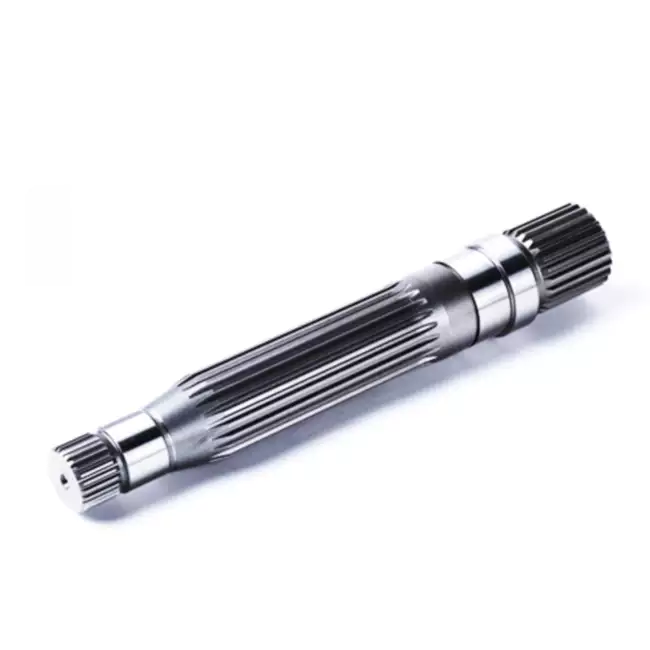
Our company specializes in the production and sale of various types of gears and gear shafts. With years of experience in the industry, we take pride in our expertise and commitment to delivering high-quality products. Here are five advantages that set us apart:
- Advanced Technology: We utilize state-of-the-art manufacturing technology to ensure precise and efficient production processes.
- Wide Range of Options: Our extensive product range offers a variety of gear types and gear shafts to meet the diverse needs of our customers.
- Superior Quality: We adhere to strict quality control standards, ensuring that every gear and gear shaft leaving our factory meets or exceeds industry standards.
- Customization: Our team of experts can provide tailored solutions to meet specific requirements, offering flexibility and versatility.
- Reliable Performance: Our gears and gear shafts are designed to deliver reliable performance, ensuring smooth and efficient operation in various applications.
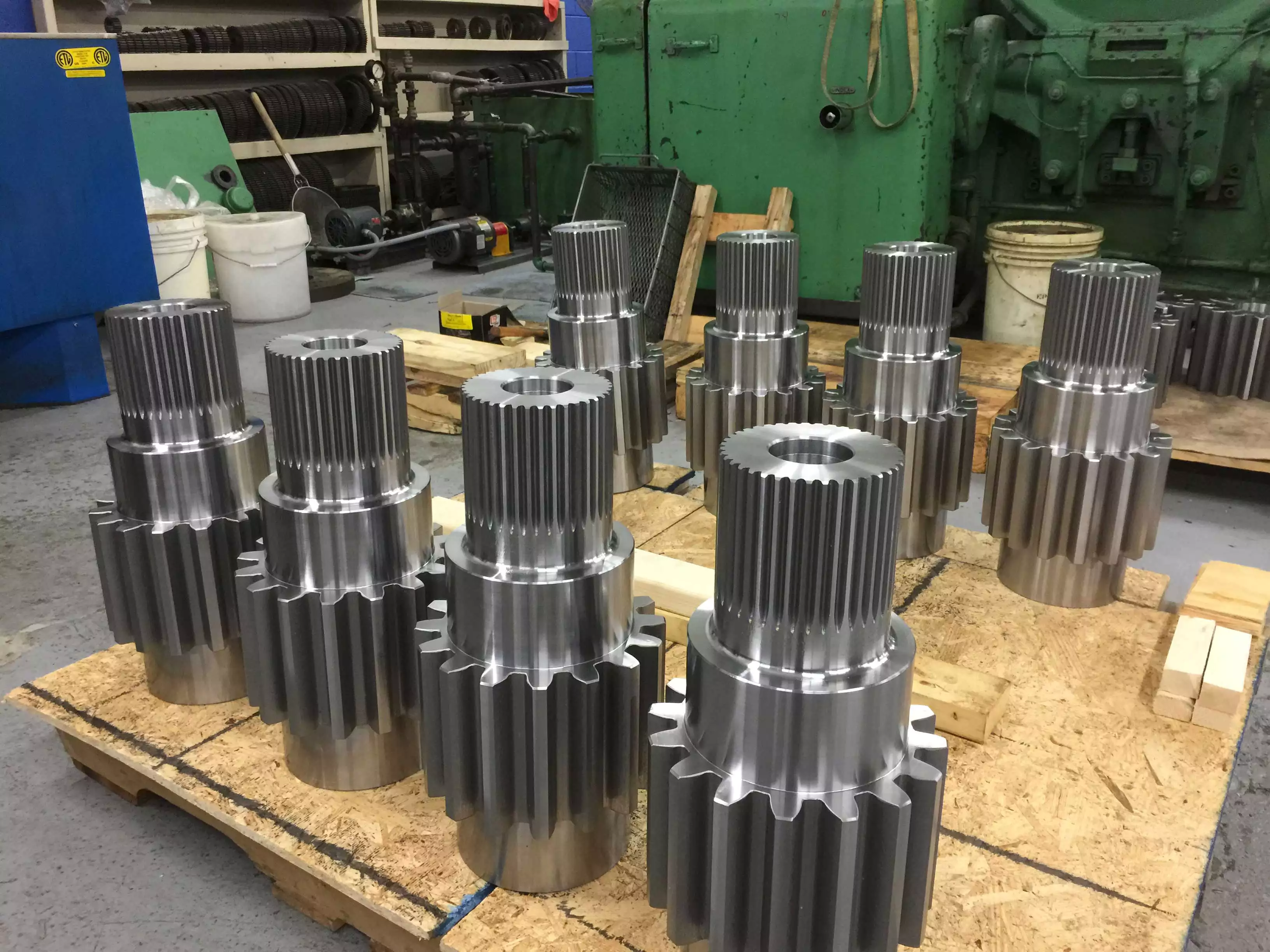
The Importance of Gear Shafts in Mechanical Transmission Systems
Gear shafts play a crucial role in mechanical transmission systems by transmitting power and motion between different parts of machinery. These shafts serve as a bridge between gears, ensuring smooth and efficient transfer of rotational force.
Materials and Selection Criteria for Gear Shafts
When it comes to gear shafts, selecting the right materials is essential for optimal performance and longevity. Factors to consider include:
- Strength and Durability: Gear shafts should be made from materials that can withstand the stresses and forces encountered in the application.
- Wear Resistance: Choosing materials with high wear resistance properties can help prolong the lifespan of gear shafts.
- Machinability: Ease of machining is crucial for manufacturing gear shafts with precise dimensions and tolerances.
Design Considerations for Gear Shafts
Designing gear shafts requires careful consideration of various factors, such as:
- Size and Dimensional Accuracy: Gear shafts must be designed to fit precisely with the mating gears.
- Bearing Support: Adequate bearing support is necessary to handle the axial and radial loads exerted on the gear shaft.
- Surface Finish: A smooth surface finish helps reduce friction and wear.
Our Gear Shaft Manufacturing Process
We employ a comprehensive manufacturing process to ensure the production of high-quality gear shafts. Our process includes:
- Cutting Processes: We utilize turning, milling, and grinding techniques to achieve precise dimensions and surface finishes.
- Heat Treatment: Gear shafts undergo quenching, tempering, and carburizing processes to enhance their strength and durability.
- Specialized Processes: We also offer gear shafts with additional features such as gear rolling and shaving for specific applications.
Applications and Failure Analysis of Gear Shafts
Gear shafts find application in various industries, including automotive, machinery, and industrial equipment. However, failure in gear shafts can lead to costly downtime and repairs. Our team of experts conducts thorough analysis and provides preventive measures to minimize the risk of failure.
Partner with us today and experience the reliability and quality of our gear shafts. Contact us for more information or to discuss your specific requirements.
Author: Miya