What is a Tensioner Pulley?
A tensioner pulley refers to a critical component in the mechanism of a car engine, specifically within the belt system. Its primary function is to maintain the correct amount of tension on the belt at all times during the operation of the engine. This is important to ensure that all engine components that are driven by the belt run smoothly and efficiently.
Understanding the Tensioner Pulley
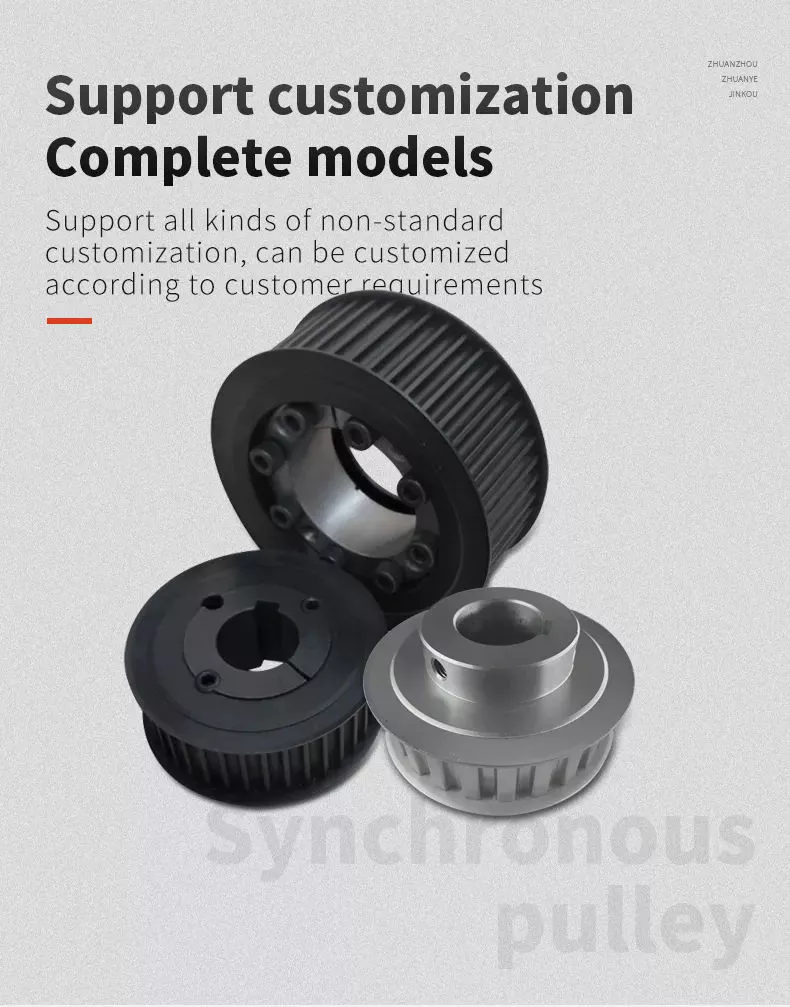
The tensioner pulley is basically a wheel on an adjustable pivot. It is attached through a spring mechanism to the engine block. The tension of the spring determines the pressure exerted by the pulley on the belt. This pressure is then used to control the tension of the belt. When the engine is running, the belt moves at high speed, driving various engine components such as the alternator, water pump, and air conditioning compressor. The tensioner pulley ensures that the belt maintains a consistent tension, preventing slippage and misalignment.
The Importance of Tensioner Pulley in a Vehicle
The tensioner pulley carries a significant role in the overall performance and longevity of a vehicle. Without it, the belts would not be able to maintain the correct tension, leading to inefficiencies and potential engine damage. This component prevents the belt from becoming too tight or too loose, both of which can cause severe problems in the engine.
Signs of a Failing Tensioner Pulley
Identifying the signs of a failing tensioner pulley can help prevent severe engine damage. Some common signs of a faulty tensioner pulley include unusual noises from the engine, visible belt wear or damage, and poor performance of engine-driven components. If these signs are ignored, it can lead to the failure of the belt, which can cause extensive engine damage and costly repairs.
Components of a Tensioner Pulley
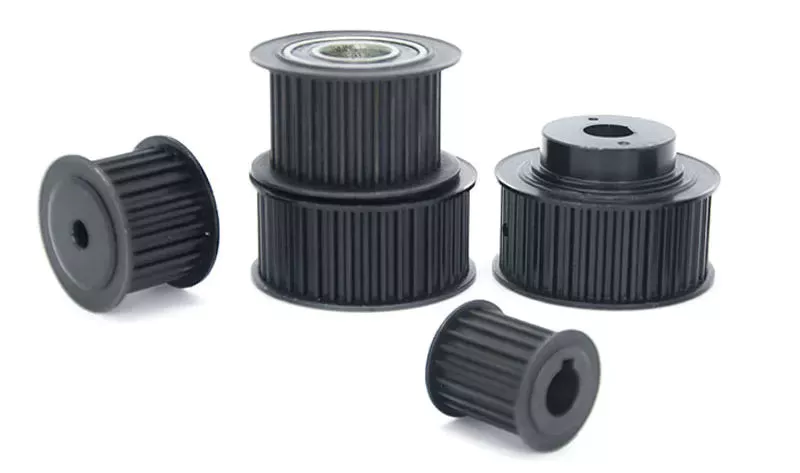
The tensioner pulley consists of several components, each playing a crucial role in its functioning. These components include the pulley wheel, the spring mechanism, and the pivot. The pulley wheel is the part that comes into direct contact with the belt. The spring mechanism applies the required tension to the belt, and the pivot allows for the adjustment of the pulley position as needed.
Maintenance of Tensioner Pulley
Like any other engine component, the tensioner pulley requires regular maintenance to ensure its proper functioning. This includes regular inspection for wear and tear, proper lubrication of the pivot and spring mechanism, and timely replacement when necessary. A well-maintained tensioner pulley can significantly enhance the lifespan of the engine belt and the overall engine performance.
Replacement of Tensioner Pulley
The tensioner pulley is a hard-wearing component, designed to last for many thousands of miles. However, it will eventually wear out and need replacement. Replacing a tensioner pulley requires technical knowledge and skill, as incorrect installation can lead to further engine problems. It is recommended to consult a professional mechanic for the replacement of this critical engine component.
Conclusion
In conclusion, the tensioner pulley is a vital component in the vehicle’s engine. It maintains the right tension on the engine belt, ensuring the efficient operation of various engine components. Regular maintenance and timely replacement of the tensioner pulley can help prevent costly engine repairs and ensure a smooth, efficient, and durable engine performance.