What is gear shaft hardening process?
In the field of mechanical engineering, the gear shaft hardening process plays a vital role in enhancing the performance and durability of gear systems. This process involves the application of specific techniques to harden the surface of gear shafts, making them more resistant to wear, fatigue, and other forms of mechanical stress. In this article, we will delve into the details of the gear shaft hardening process, exploring its significance and different methods employed.
1. Importance of gear shaft hardening
Gear shaft hardening is crucial due to several reasons:
- 1.1 Increased wear resistance
- 1.2 Enhanced strength and durability
- 1.3 Improved load-carrying capacity
- 1.4 Prevention of surface cracks and fractures
2. Methods of gear shaft hardening
There are various methods used for gear shaft hardening, each catering to specific requirements and material characteristics. The following methods are commonly employed:
2.1 Induction hardening
Induction hardening utilizes high-frequency induction heating to selectively heat the gear shaft’s surface. This method results in rapid heating and subsequent quenching, leading to a hardened surface layer with a tough core.
2.2 Carburizing
Carburizing is a widely used method where the gear shaft is exposed to a carbon-rich environment at an elevated temperature. The carbon atoms diffuse into the surface, forming a hardened layer with increased carbon content.
2.3 Nitriding
Nitriding involves the diffusion of nitrogen into the surface of the gear shaft, resulting in the formation of a hard compound layer. This method offers excellent wear resistance and improved fatigue strength.
2.4 Flame hardening
Flame hardening utilizes localized heating with a high-temperature flame to harden specific areas of the gear shaft. This method is useful for achieving varying hardness levels in different sections.
2.5 Laser hardening
Laser hardening is a precise and controlled method that uses a high-energy laser beam to heat and harden the gear shaft surface. This technique allows for selective hardening and minimal distortion.
3. Factors influencing gear shaft hardening
Several factors must be taken into account when determining the appropriate gear shaft hardening method:
- 3.1 Material composition and properties
- 3.2 Gear design and geometry
- 3.3 Desired hardness and depth of hardened layer
- 3.4 Heat treatment equipment and capabilities
4. Conclusion
The gear shaft hardening process is a critical aspect of gear system design and manufacturing. By employing suitable hardening methods, engineers can significantly enhance the performance and reliability of gear systems. Whether through induction hardening, carburizing, nitriding, flame hardening, or laser hardening, the gear shaft’s surface becomes more resistant to wear, fatigue, and other forms of mechanical stress. Understanding the gear shaft hardening process empowers engineers to make informed decisions, ultimately contributing to the development of efficient and durable gear systems.
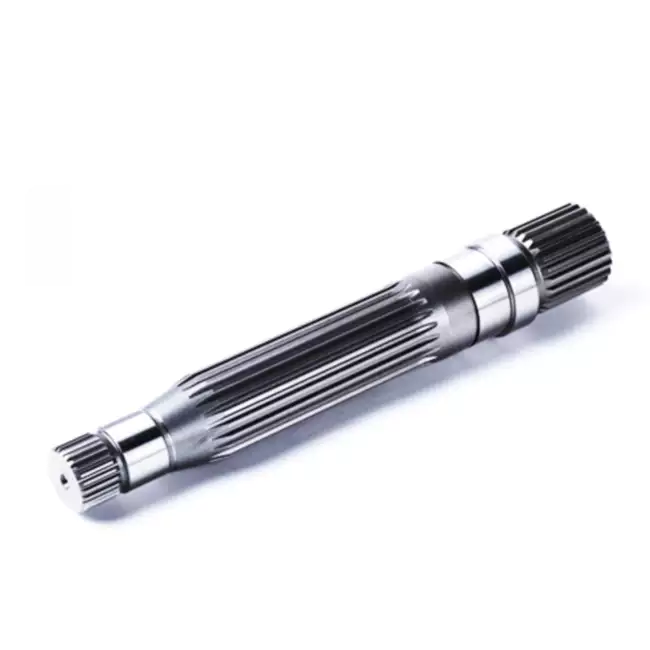
Our company specializes in the production and sale of various types of gears and gear shafts. With our extensive experience and expertise in the field, we offer several advantages that set us apart from the competition:
Advantages of Our Company:
- High-Quality Products: We pride ourselves on delivering gears and gear shafts of the highest quality, manufactured with precision and attention to detail.
- Wide Range of Options: Our company offers a diverse range of gears and gear shafts to meet the unique needs of our customers.
- Advanced Technology: We utilize cutting-edge technology in our manufacturing processes to ensure the durability and performance of our gear shafts.
- Reliable Customer Support: Our dedicated customer support team is always ready to assist our clients and provide prompt solutions to any inquiries or concerns.
- Competitive Pricing: We strive to offer competitive prices without compromising on the quality of our products.

Gear shafts play a crucial role in mechanical transmission systems. They are responsible for transferring torque and rotational motion between gears, ensuring smooth and efficient operation. Without properly designed and manufactured gear shafts, the entire system’s performance can be compromised.
Importance of Gear Shafts:
Gear shafts are essential components in various applications, including automotive, industrial machinery, and aerospace. They provide the necessary power transmission and ensure the seamless operation of the machinery.
Materials and Selection Criteria for Gear Shafts:
When it comes to gear shafts, the choice of materials is crucial for their performance and durability. Factors such as strength, corrosion resistance, and fatigue resistance play a significant role in selecting the appropriate material for gear shafts. Additionally, considerations such as load capacity, operating conditions, and cost are also taken into account during the selection process.
Design Considerations for Gear Shafts:
The design of gear shafts involves careful consideration of factors such as load distribution, stress concentration, and surface finish. Proper design ensures optimal performance, reduces the risk of failure, and extends the lifespan of the gear shafts.
Gear Shaft Manufacturing Process:
Our gear shafts undergo a comprehensive manufacturing process to ensure their quality and reliability:
- Machining Processes: Turning, milling, and grinding are employed to achieve precise dimensions and smooth surface finish.
- Heat Treatment: Gear shafts are subjected to processes like quenching, tempering, and carburizing to enhance their hardness and strength.
- Specialized Processes: Additional processes such as hobbing and shaving are performed to achieve accurate gear tooth profiles.
Applications and Case Studies of Gear Shafts:
Gear shafts find extensive applications in various industries, including automotive drivetrains, industrial machinery, and marine propulsion systems. Understanding common failure modes and implementing preventive measures is crucial to ensure the reliable operation of gear shafts in these applications.
Partner with us today and experience the superior quality and performance of our gear shafts. Our commitment to excellence and customer satisfaction makes us the ideal choice for all your gear and gear shaft needs.
Author: Miya