What is a Screw Jack?
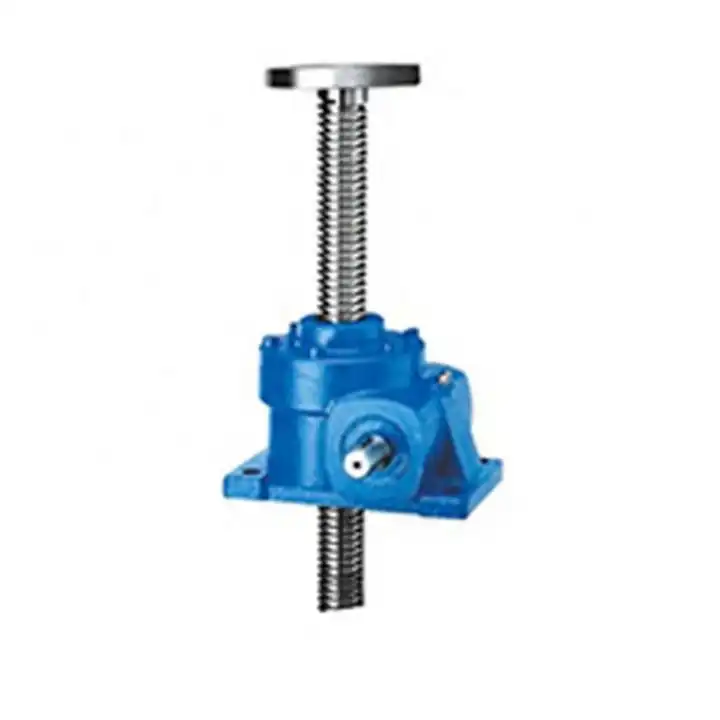
A screw jack, also known as a jackscrew or mechanical jack, is a mechanical device that is extensively utilized in various industries for lifting heavy loads or to apply great forces. It can be manually driven by turning a lead screw, or powered by an electric motor. The basic principle of its operation relies on the mechanical advantage of screw threads.
The Principle of Operation
The working principle of a screw jack is quite simple and based on the concept of mechanical advantage. When the screw is turned, the threads convert rotational motion into linear motion. This means that the effort you put in turning the handle is magnified, translating to a greater force that can lift or move a heavy load. This principle is based on the concept of the inclined plane, one of the six classical simple machines identified by Renaissance scientists.
Different Types of Screw Jacks
There are different types of screw jacks available in the market, each designed to serve specific purposes. Among these, the most common types are the machine screw jack and the ball screw jack. While the machine screw jack operates on the principle of friction between the lead screw and the nut, the ball screw jack incorporates a series of ball bearings to reduce friction. This makes ball screw jacks more efficient, but also more expensive.
Applications of Screw Jacks
Screw jacks have a wide range of applications, primarily in industries requiring the lifting, lowering, pushing, or pulling of heavy loads. They are commonly used in the construction industry for supporting heavy structures, in the automotive industry for lifting vehicles for maintenance or tire changes, and in the manufacturing industry for positioning components during assembly.
Pros and Cons of Screw Jacks
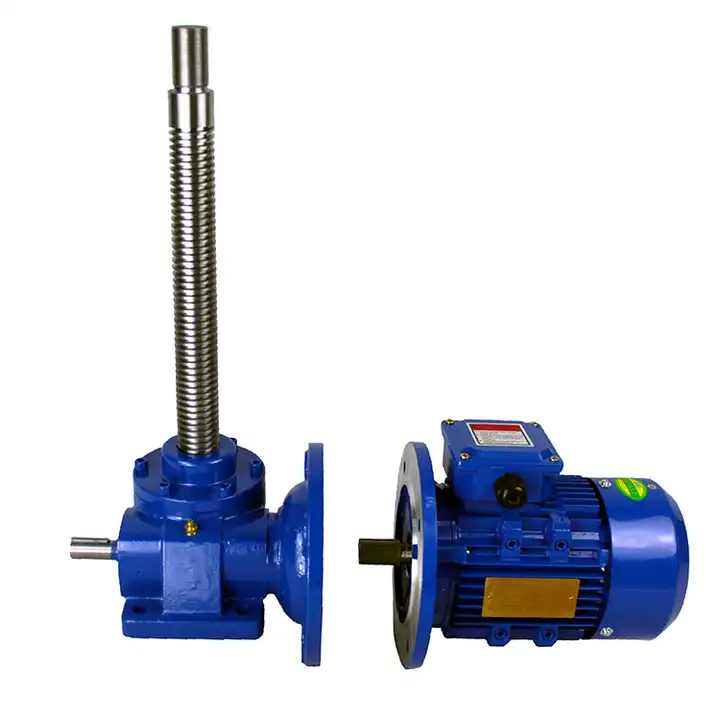
One of the main advantages of screw jacks is their ability to hold a heavy load indefinitely without the need for power. They also have a high mechanical advantage, which means they can lift heavy loads using a relatively small amount of force. On the downside, screw jacks have a relatively slow speed of operation and require a substantial amount of effort to operate manually.
Choosing the Right Screw Jack
When choosing a screw jack for a particular application, several factors need to be considered, including the load capacity, the lift height, the speed of operation, and the environment in which the jack will be used. For instance, if speed is a priority, a ball screw jack would be a suitable choice. If cost is a concern, a machine screw jack may be a better option.
Conclusion
In conclusion, a screw jack is a versatile and valuable tool that uses the mechanical advantage of a screw to lift or move heavy loads. It’s an essential piece of equipment in many industries, with various types and designs available to suit different applications. Whether you need to lift a car for a tire change or support a heavy structure, there’s a screw jack that’s right for the job.