A pulley, a simple machine that has been used since ancient times, offers significant mechanical advantages that have made it an indispensable tool in various fields. The mechanical advantage of a pulley comes from its ability to multiply force, change the direction of force, and allow for greater efficiency and ease in lifting or moving heavy objects. This article delves into the complexities of the pulley system, exploring its mechanical advantages, applications, and the physics principles behind its operation.
Understanding the Pulley System
A pulley system consists of a wheel and a rope. The wheel, which houses a grooved rim, holds the rope, chain, or cable. When force is applied to one end of the rope, it triggers movement in the wheel, which in turn, enables the load attached to the other end of the rope to be lifted or moved.

The Principle of Mechanical Advantage
At the core of a pulley’s functionality is the principle of mechanical advantage. In simple terms, it refers to the factor by which a mechanism multiplies the force applied to it. In a pulley system, the mechanical advantage can be calculated by counting the number of rope sections supporting the load. A single pulley provides a mechanical advantage of one, and while this doesn’t amplify the force, it changes the direction of the force, making it easier to lift the load. However, when multiple pulleys are combined into a pulley system, the mechanical advantage increases, making it possible to lift heavier loads with less effort.
Efficiency and Ease of Use
One of the key mechanical advantages of a pulley is its efficiency and ease of use. Pulleys can make significant work easier by redistributing and balancing the force required to move an object. This redistribution of force minimizes the amount of effort needed, making tasks more manageable and less physically demanding. From construction sites to gym equipment, the practical applications of pulleys are vast and varied due to this mechanical advantage.
Changing the Direction of Force
A pulley also has the ability to change the direction of force. This means that by pulling down on the rope, the load attached to the pulley is lifted up. This reversal of force direction is a distinct mechanical advantage that simplifies the process of lifting loads, especially in scenarios where lifting a load directly is difficult or impossible.
Amplification of Force
When used in a system of multiple pulleys, often referred to as a block and tackle, the mechanical advantage is markedly increased. A block and tackle system can greatly magnify the applied force, making it possible to lift or move loads that are significantly heavier than the applied force. This amplification of force is a significant mechanical advantage that has a wide range of applications, from ship rigging to stage curtains in theatres.
The Role of Friction
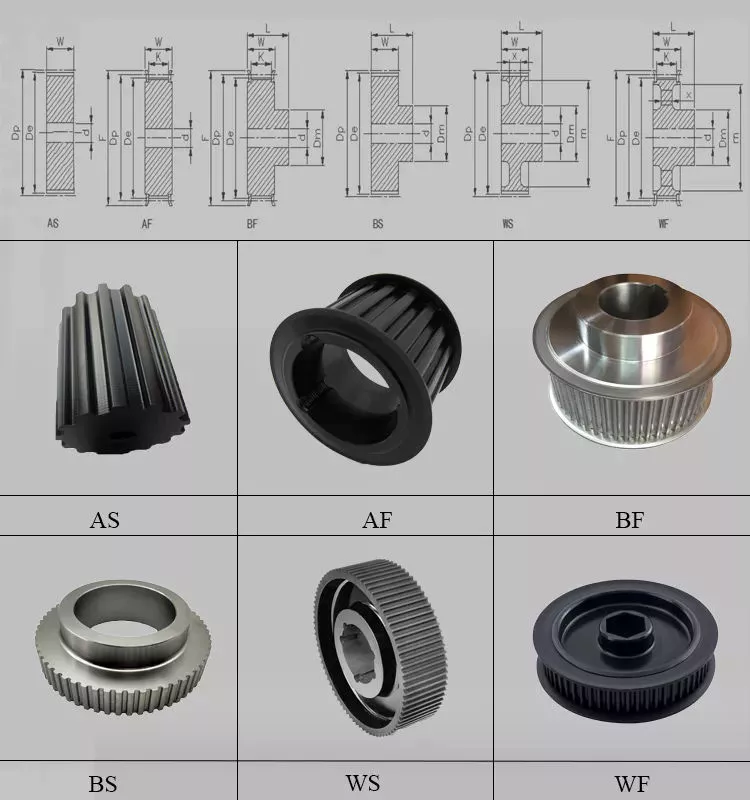
While discussing the mechanical advantages of a pulley, it’s essential to acknowledge the role of friction. Friction within the pulley system can impact its efficiency. However, pulleys are designed to minimize this friction, making them more effective and efficient in their operation.
Conclusion
In summary, the mechanical advantage of a pulley lies in its ability to amplify force, change the direction of force, and make lifting or moving heavy loads more efficient and less physically demanding. These advantages are the foundation of many applications across various industries, making pulleys a fundamental simple machine that continues to be an essential tool in our everyday lives.