What is a Jack Screw on an Airplane?
A jack screw, often termed a jackscrew, is a pivotal component in the mechanics of aircraft. It plays a crucial role in the functionality of various aircraft systems, specifically those related to control and movement. Simply put, a jack screw is a type of screw jack that converts rotational motion into linear motion. It’s an integral part of an airplane’s design, ensuring the smooth operation of several key elements.
The Role of Jack Screws in Aircraft
The jack screw’s primary function in an airplane is to facilitate the movement of certain parts, particularly the horizontal stabilizer, which is the small wing located on the tail of the aircraft. The horizontal stabilizer’s movement is essential in controlling the airplane’s pitch, or the up and down movement of the aircraft’s nose.
By using a series of gears and the principle of mechanical advantage, the jack screw enables pilots to easily adjust the position of the horizontal stabilizer, thereby controlling the aircraft’s pitch. This is crucial during different phases of the flight, such as take-off, cruising, and landing.
The Anatomy of an Airplane Jack Screw
Generally, a jack screw comprises two main components: the screw, or the threaded rod, and the nut. The screw is typically made from high-strength steel to withstand the substantial forces exerted during flight. The nut, on the other hand, is usually made of a bronze alloy. The bronze is softer than the steel screw, which allows for a certain degree of wear to occur, preventing potential damage to the screw over time.
These components work together to create a simple but effective system. As the screw rotates, it moves the nut along its length, creating the linear motion necessary to move the stabilizer. This motion is achieved through the rotation of the screw, which is driven by a motor. The direction and speed of the rotation determine the rate and direction of the stabilizer’s movement.
Maintenance and Inspection of Jack Screws
Given their critical role in flight control, jack screws require regular maintenance and inspection. This ensures they remain in optimal condition, reducing the risk of failure. The threads of the screw and the nut must be regularly checked for signs of wear or damage. Additionally, the screw should be lubricated to minimize friction and prevent premature wear.
In the event of significant wear or damage, the jack screw assembly may need to be replaced. As such, the maintenance of the jack screw plays a critical role in ensuring the safety and reliability of an aircraft.
Jack Screws Beyond Aviation
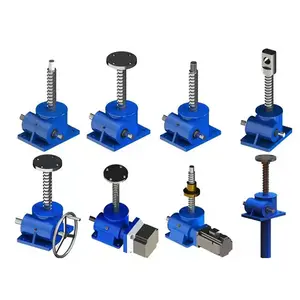
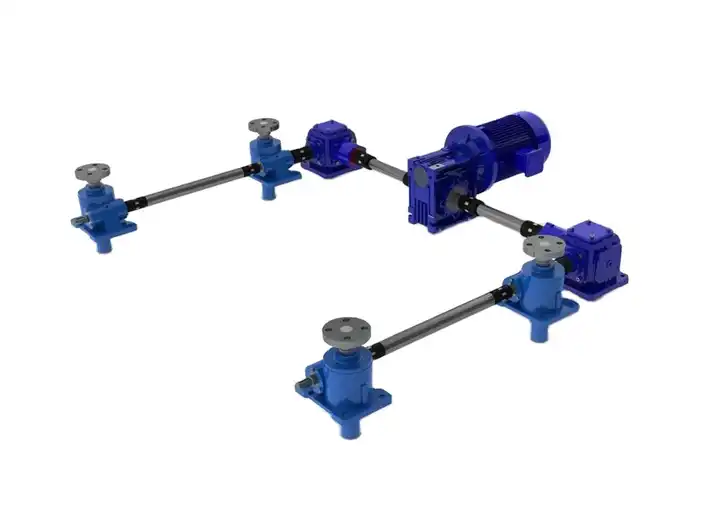
While jack screws play a vital role in aviation, their use extends beyond aircraft. They are found in various applications where linear motion is required, such as in lifting devices, positioning tables, and mechanical actuators. Furthermore, they are used in various industries, including construction, manufacturing, and automotive.
Conclusion
In conclusion, the jack screw is an essential component of an airplane’s mechanical system. Its ability to convert rotational motion into linear motion is critical for controlling the airplane’s pitch, thereby ensuring a safe and smooth flight. Through regular maintenance and inspection, the longevity and functionality of the jack screw can be preserved, contributing to the overall safety and reliability of the aircraft. While seemingly simple in design, the jack screw plays a significant role in not only aviation but a wide range of industries.