Introduction
Chains are essential components in various industrial applications, providing reliable power transmission and conveying systems. Proper maintenance and care of chains are crucial to ensure their longevity and optimal performance. This article will guide you through the steps for maintaining and caring for chains, highlighting key practices and considerations.
Regular Inspection
Regular inspection is the first step in maintaining chains. Check for any signs of wear, corrosion, or damage. Pay attention to the chain’s tension and alignment, ensuring they are within the recommended specifications. Performing frequent inspections allows early detection of issues, minimizing the risk of chain failure and costly downtime.
Lubrication
Lubrication plays a vital role in chain maintenance. Apply a suitable lubricant that matches the chain’s requirements. The lubricant helps reduce friction and wear, extending the chain’s lifespan. Make sure to follow the manufacturer’s recommendations regarding lubricant type and application frequency.
Tension Adjustment
Proper tension adjustment is crucial for chain performance. Over-tensioning can lead to increased wear and power losses, while under-tensioning may cause the chain to jump off the sprockets. Refer to the manufacturer’s guidelines for the correct tensioning procedure and use appropriate tools for accurate adjustment.
Cleaning
Regular cleaning helps remove dirt, debris, and contaminants that can accelerate chain wear. Use a suitable cleaning agent and a brush to gently remove particles from the chain’s surface. Avoid using abrasive materials that may damage the chain. After cleaning, make sure to thoroughly dry the chain before reapplying lubrication.
Sprocket Inspection
Alongside chain maintenance, sprocket inspection is equally important. Inspect the sprockets for signs of wear, chipped teeth, or misalignment. Damaged sprockets can accelerate chain wear and affect overall system performance. Replace any worn or damaged sprockets promptly to prevent further chain damage.
Proper Storage
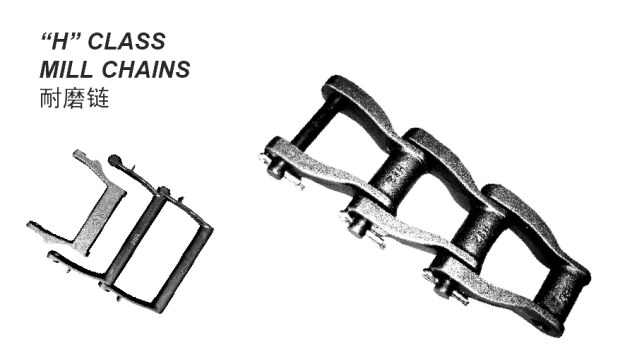
Proper storage of chains is essential to prevent corrosion and damage. Store chains in a clean, dry environment away from moisture and extreme temperatures. Use appropriate storage containers or racks to ensure the chains remain undamaged and organized.
Training and Safety
Providing proper training to personnel responsible for chain maintenance is crucial. Educate them on the correct procedures for inspection, lubrication, tension adjustment, and cleaning. Additionally, emphasize the importance of safety measures, such as wearing protective gear and following lockout/tagout protocols.
Conclusion
Maintaining and caring for chains is essential for their longevity and optimal performance. Regular inspections, proper lubrication, tension adjustment, cleaning, sprocket inspection, proper storage, and training are all vital steps in ensuring chains operate smoothly and efficiently. By following these practices, businesses can minimize downtime, extend chain life, and maximize productivity.
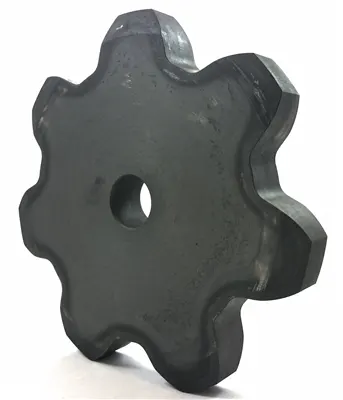
Sprockets for H Class Mill Chains
Sprockets play a crucial role in complementing H Class Mill Chains, working together to ensure efficient power transmission and smooth operation. The sprockets’ teeth engage with the chain, facilitating the transfer of motion and torque. The precise fit between the sprockets and chains is vital to prevent slippage and maximize system performance. Our company offers a wide range of high-quality sprockets designed specifically for H class mill chain. With our expertise in chain manufacturing, we provide sprockets that meet rigorous standards and ensure optimal performance in demanding industrial environments.
Why Choose Our Sprockets for H Class Mill Chains?
1. Precision Engineering: Our sprockets are meticulously engineered to match the exact specifications of H Class Mill Chains, ensuring perfect compatibility and optimal performance.
2. Durable Materials: We use high-quality materials, such as hardened steel, to manufacture sprockets that can withstand heavy loads, resist wear, and maintain their integrity under challenging operating conditions.
3. Accurate Tooth Profiles: The tooth profiles of our sprockets are precisely designed to ensure smooth engagement with H Class Mill Chains, minimizing noise, vibration, and the risk of chain derailing.
4. Reliable Performance: Our sprockets undergo rigorous testing to guarantee reliable performance, reducing the risk of unexpected failures and costly downtime.

Q&A
Q: How often should chains be inspected?
A: Regular chain inspections should be conducted according to the manufacturer’s recommendations. However, it is generally recommended to inspect chains at least once a month or more frequently in high-demand applications.
Q: Can I use any lubricant for chain maintenance?
A: It is essential to use a lubricant specifically designed for chains. Consult the manufacturer’s guidelines to select the appropriate lubricant that matches your chain’s requirements.
Q: What should I do if I notice excessive chain wear during inspection?
A: If excessive chain wear is observed, it is recommended to replace the chain promptly. Continuing to use a severely worn chain can lead to reduced performance, increased downtime, and potential damage to other system components.
Edited by Zqq.