Conveyor chains are critical components in many industrial applications. They are used in material handling and transportation systems, such as assembly lines, packaging lines, and mining operations. In this article, we will explore the standards for conveyor chain design and the importance of these standards in ensuring safe and efficient operations.
1. Material Selection
One of the primary standards for conveyor chain design is material selection. The chains must be made from materials that can withstand the operating conditions, such as temperature, abrasion, and corrosion. Some of the materials commonly used for conveyor chains include carbon steel, stainless steel, and plastic.
2. Pitch and Roller Diameter
The pitch and roller diameter are critical dimensions in conveyor chain design. The pitch is the distance between the center of two adjacent pins, while the roller diameter is the diameter of the chain’s rollers. These dimensions determine the chain’s strength, load-bearing capacity, and speed capacity.
3. Breaking Load
The breaking load is the maximum load that a chain can withstand before it fails. Conveyor chains must be designed to withstand the maximum expected load without breaking. The breaking load is affected by factors such as material selection, pitch, and roller diameter.
4. Lubrication
Lubrication is critical in conveyor chain design to reduce wear and increase the chain’s lifespan. Proper lubrication also reduces heat generation and energy consumption. The lubrication method and frequency depend on the chain’s operating environment and design.
5. Fatigue Strength
Fatigue strength is the ability of a chain to withstand repeated loading and unloading cycles without failing. Conveyor chains undergo cyclic loading during operation, and their fatigue strength is critical in ensuring safe and reliable operations. Factors such as material selection, heat treatment, and surface treatment affect the chain’s fatigue strength.
6. Attachment Design
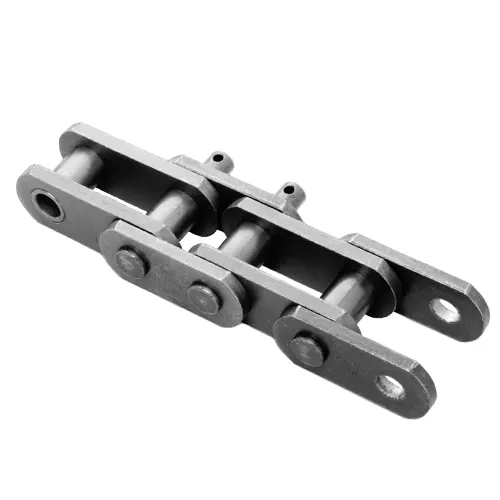
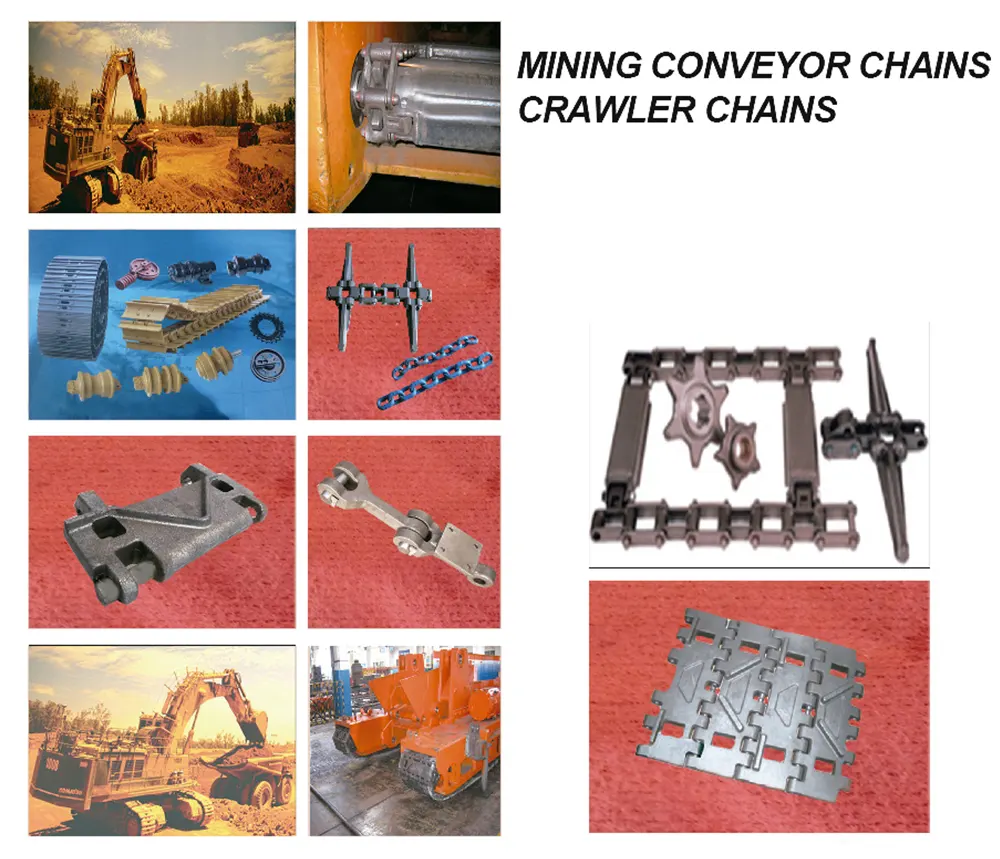
Attachment design is critical in conveyor chains used in applications such as mining and heavy-duty material handling. The attachments are used to connect the chain to the load, and their design determines the chain’s load-bearing capacity and strength. Attachment design must consider factors such as the chain’s pitch, roller diameter, and material selection.
7. Wear Resistance
Wear resistance is critical in conveyor chain design to increase the chain’s lifespan and reduce the cost of maintenance. Wear resistance depends on factors such as material selection, heat treatment, surface treatment, and lubrication. Proper wear resistance design ensures safe and reliable operations and reduces the risk of chain failure.
8. Corrosion Resistance
Corrosion resistance is critical in conveyor chains used in corrosive environments, such as mining and chemical processing. The chains must be designed to withstand the corrosive agents without corroding or degrading. Corrosion resistance depends on factors such as material selection, surface treatment, and lubrication.
Sprockets for Mining Chains
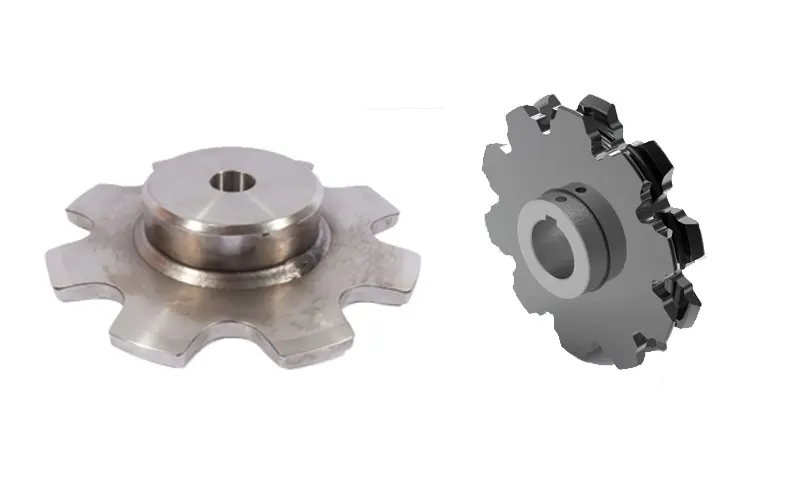
Sprockets are critical components in mining chain applications. They are used to transmit power from the drive to the chain and determine the chain’s speed and torque. The sprocket’s design must consider factors such as the chain’s pitch, roller diameter, and material selection. Proper sprocket design ensures safe and reliable mining operations.
The mining chain and sprocket are interdependent, and their design must complement each other to ensure efficient and safe mining operations. The chain’s pitch and roller diameter must match the sprocket’s tooth profile to ensure smooth engagement and disengagement. Proper lubrication is also critical in ensuring the sprocket’s lifespan and reducing wear and tear.
About Ever-power
Ever-power is a leading manufacturer of conveyor chains, sprockets, and related components. We have extensive experience in designing and manufacturing mining chains that meet or exceed industry standards. Our products are made from high-quality materials and undergo rigorous testing to ensure their strength, wear resistance, and lifespan.
- We use advanced manufacturing processes and equipment to ensure consistent product quality and performance.
- We have a dedicated team of engineers and technicians who work closely with our customers to develop custom solutions that meet their specific needs.
- Our products are used by some of the largest and most reputable companies in the mining industry in Europe and America.
- We offer competitive pricing and excellent customer service to ensure our customers receive the best value for their investment.
- We provide comprehensive technical support and training to our customers to ensure they can operate our products safely and efficiently.
- We continuously invest in research and development to improve our products’ performance, reliability, and safety.
We encourage our customers to explore our product range and contact us for more information on our mining chains and related components. We are committed to providing the best products and services to our customers and contributing to their success.

Mining Chains Maintenance
Proper maintenance of mining chains is critical to ensure their safe and reliable operation and extend their lifespan. Here are some essential tips for mining chain maintenance:
- Regular inspection of the chains for wear, corrosion, and other damage.
- Proper lubrication of the chains to reduce wear and tear and increase their lifespan.
- Proper tensioning of the chains to ensure smooth engagement and disengagement with the sprockets.
- Regular cleaning of the chains to remove debris, dirt, and other contaminants.
- Proper storage of the chains when not in use to prevent corrosion and other damage.
Q&A
Q: What are the common materials used for conveyor chains?
A: The common materials used for conveyor chains include carbon steel, stainless steel, and plastic.
Q: What is the breaking load of a conveyor chain?
A: The breaking load is the maximum load that a chain can withstand before it fails.
Q: What is the role of sprockets in mining chain applications?
A: Sprockets are used to transmit power from the drive to the chain and determine the chain’s speed and torque.
Edited by: Zqq.