What are the primary causes of gear shaft cracking?
Introduction
Gear shaft cracking is a critical issue in mechanical engineering. Understanding the primary causes of gear shaft cracking is essential for ensuring the reliability and longevity of gear systems. This article will delve into the various factors that contribute to gear shaft cracking and explore possible solutions.
1. Material Fatigue
One of the main reasons for gear shaft cracking is material fatigue. Over time, repeated loading and unloading cycles can weaken the material, leading to microcracks and eventually full-blown cracks. The presence of impurities in the material can exacerbate this issue, reducing the shaft’s structural integrity.
2. Overloading
Exceeding the recommended load capacity of a gear shaft can result in immediate or gradual cracking. Overloading causes excessive stress on the shaft, surpassing its designed capabilities. This can lead to the formation of cracks that propagate under the continuous strain, eventually compromising the shaft’s integrity.
3. Improper Heat Treatment
Inadequate heat treatment during the manufacturing process can also contribute to gear shaft cracking. Heat treatment plays a crucial role in optimizing the material’s properties, such as hardness and strength. Insufficient or uneven heat treatment can create internal stresses within the shaft, making it more susceptible to cracking under operational loads.
4. Misalignment
Gear misalignment is another factor that can lead to shaft cracking. When gears are not aligned correctly, excessive forces and uneven loading are transferred to the shaft. This can cause stress concentrations at certain points, leading to crack initiation and propagation.
5. Corrosion and Contamination
Corrosion and contamination can significantly weaken gear shafts, making them prone to cracking. Exposure to harsh environments, such as high humidity or corrosive chemicals, can lead to corrosion-induced cracking. Additionally, the presence of abrasive particles or foreign contaminants can accelerate wear and crack formation.
6. Insufficient Lubrication
Inadequate lubrication in gear systems can contribute to gear shaft cracking. Insufficient lubricant film thickness can result in metal-to-metal contact, leading to increased friction and heat generation. This can cause localized thermal stresses, which eventually lead to crack initiation.
7. Design Flaws
Design flaws, such as improper fillet radii and sharp corners, can create stress concentration points on gear shafts. These stress concentrators are prone to crack initiation and propagation under operational loads. Careful consideration of the shaft’s geometry and stress distribution is crucial in minimizing the risk of cracking.
8. Manufacturing Defects
Manufacturing defects, such as surface imperfections, inclusions, or residual stresses, can also contribute to gear shaft cracking. These defects weaken the structural integrity of the shaft, making it susceptible to crack formation and propagation during operation.
Conclusion
Gear shaft cracking can have severe consequences on the performance and reliability of mechanical systems. By understanding and addressing the primary causes of gear shaft cracking, engineers and manufacturers can implement preventive measures to mitigate this issue. Proper material selection, optimized design, and manufacturing processes, along with regular maintenance and inspections, play vital roles in ensuring the longevity and efficiency of gear systems.
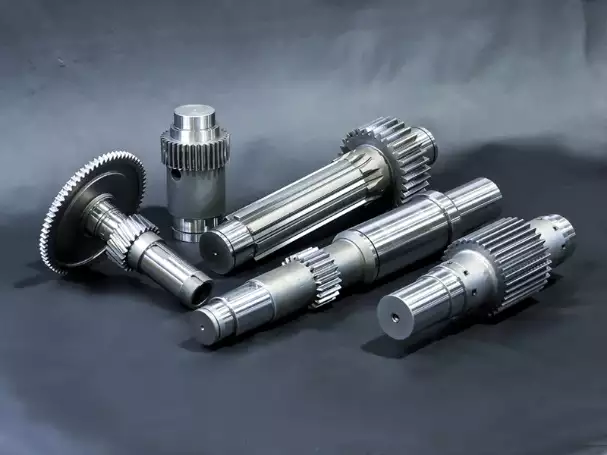
Our company specializes in the production and sales of various types of gears and gear shafts. With years of experience in the industry, we have established ourselves as a leader in the market. Here are five key advantages that set our company apart:
1. High-Quality Materials
Our gears and gear shafts are made from top-grade materials, ensuring durability and strength. We source materials from trusted suppliers to guarantee the highest quality products.
2. Precision Engineering
We employ advanced manufacturing techniques and cutting-edge technology to ensure precise and accurate gear shafts. Our team of skilled engineers and technicians meticulously craft each gear shaft to meet the exact specifications and requirements of our clients.
3. Rigorous Quality Control
Quality is of utmost importance to us. We have implemented a stringent quality control process at every stage of production. From material inspection to final product testing, we ensure that each gear shaft meets the highest industry standards before it is delivered to our customers.
4. Customization Options
We understand that every project has unique requirements. That’s why we offer customized solutions to meet the specific needs of our clients. Our team works closely with customers to design and manufacture gear shafts that perfectly fit their applications.
5. Timely Delivery
We pride ourselves on our prompt and reliable delivery service. We understand the importance of meeting deadlines, and our efficient logistics team ensures that orders are delivered on time, every time.

The Importance of Gear Shafts in Mechanical Transmission Systems
Gear shafts play a crucial role in mechanical transmission systems. They are responsible for transmitting torque and rotational motion between gears, ensuring smooth and efficient operation. Without properly functioning gear shafts, the entire system can experience failure and reduced performance.
Materials and Selection Criteria for Gear Shafts
When it comes to gear shafts, material selection is essential. Factors such as load capacity, operating conditions, and desired lifespan must be considered. Commonly used materials for gear shafts include alloy steel, carbon steel, and stainless steel. The choice of material depends on factors such as strength requirements, corrosion resistance, and cost-effectiveness. The design of gear shafts should also take into account factors such as gear ratio, shaft diameter, and tooth profile to ensure optimal performance.
Our Gear Shaft Manufacturing Process
At our company, we employ various manufacturing processes to produce high-quality gear shafts:
- 1. Cutting Processes: Turning, milling, and grinding
- 2. Heat Treatment: Quenching, tempering, and carburizing
- 3. Specialized Processes: Gear rolling and shaving
Applications and Fault Analysis of Gear Shafts
Gear shafts find application in various industries, including automotive, aerospace, and industrial machinery. However, they may experience certain faults over time, such as cracking. It is crucial to analyze these faults to identify their causes and implement preventive measures. Regular maintenance and proper lubrication can significantly extend the lifespan of gear shafts and prevent failures.
Partner with us today to experience the exceptional quality and superior performance of our gear shafts. Contact us now to discuss your requirements and discover how our expertise can benefit your projects.
Author: Miya