What are the key points in gear shaft quality control inspections?
Introduction
Gear shaft quality control inspections play a crucial role in ensuring the reliability and performance of gear systems. This article will delve into the key points that should be considered during these inspections to maintain high standards of quality.
1. Material Selection
During gear shaft quality control inspections, it is essential to carefully select the materials used. Factors such as strength, durability, and resistance to wear and corrosion should be taken into account. High-quality alloys and heat treatment processes can enhance the material properties, ensuring optimal performance and longevity of gear shafts.
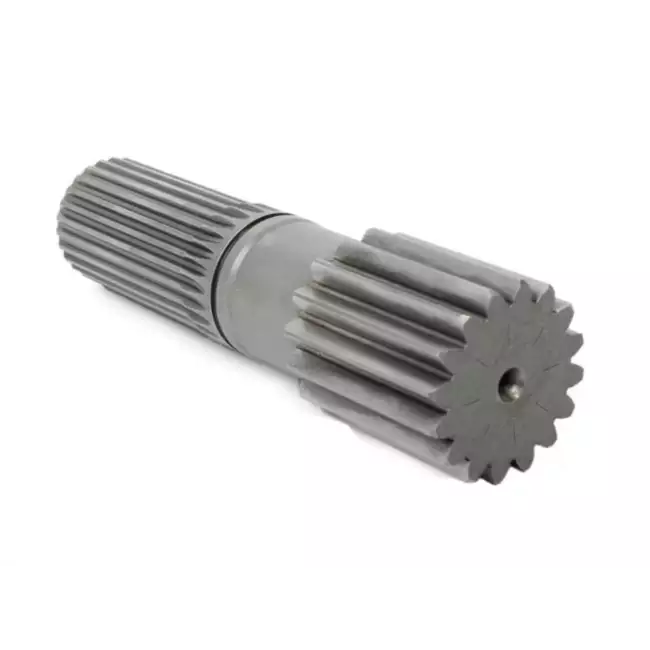
2. Dimensional Accuracy
Achieving precise dimensional accuracy is paramount in gear shaft quality control inspections. This includes measuring critical dimensions such as shaft diameter, gear tooth profile, and spline geometry. Advanced metrology techniques, including Coordinate Measuring Machines (CMMs) and optical scanners, can accurately assess dimensional conformity, ensuring proper fit and function within the gear system.
3. Surface Finish
The surface finish of gear shafts is another crucial aspect to consider during quality control inspections. A smooth and uniform surface finish reduces friction and wear, enhancing the overall efficiency and performance of the gear system. Techniques such as grinding, honing, and electroplating can be employed to achieve the desired surface finish, while rigorous inspections ensure compliance with specified requirements.
4. Hardness Testing
Conducting hardness testing is vital to verify the mechanical properties of gear shafts. Hardness values determine the material’s resistance to deformation and wear. Various methods such as Rockwell, Brinell, and Vickers hardness tests can be employed to accurately assess the hardness of gear shafts. Results within the specified range ensure optimal performance and longevity.
5. Gear Tooth Inspection
Thorough inspection of gear teeth is essential in gear shaft quality control. It involves evaluating parameters such as profile accuracy, tooth spacing, and backlash. Specialized gear measuring instruments, like gear testing machines and profile projectors, aid in precisely assessing these parameters. This inspection guarantees proper gear engagement, smooth operation, and minimal noise in the gear system.
6. Microstructure Analysis
Microstructure analysis is carried out to evaluate the internal grain structure and the presence of any defects or abnormalities. Techniques such as optical microscopy and electron microscopy can reveal valuable insights into the material’s integrity and identify potential issues like inclusions, cracks, or improper heat treatment. This analysis ensures the overall quality and reliability of gear shafts.
7. Non-Destructive Testing
Non-destructive testing methods are employed to identify surface or subsurface defects without causing damage to the gear shaft. Techniques such as ultrasonic testing, magnetic particle inspection, and eddy current testing can effectively detect cracks, porosity, or other defects. Early detection of such flaws enables timely corrective actions, ensuring the overall quality of the gear shafts.
8. Lubrication Analysis
Lubrication is crucial for the smooth operation and longevity of gear shafts. During quality control inspections, lubricant analysis is performed to assess its quality and compatibility with the gear system. Parameters such as viscosity, contamination levels, and chemical composition are evaluated. By ensuring proper lubrication, wear and premature failure of gear shafts can be mitigated, enhancing overall performance and reliability.
9. Environmental Testing
Environmental testing involves subjecting gear shafts to various conditions to evaluate their performance under different operating environments. This includes temperature, humidity, and exposure to corrosive substances. By simulating real-world conditions, potential weaknesses or vulnerabilities can be identified, enabling necessary design modifications or material enhancements to improve the gear shafts’ performance and durability.
10. Statistical Process Control
Implementing statistical process control techniques allows for continuous monitoring and improvement of gear shaft quality. Statistical tools like control charts, capability analysis, and Six Sigma methodologies help identify process variations and deviations. By analyzing and controlling these variations, manufacturers can ensure consistent quality and reliability in gear shaft production.
Conclusion
In conclusion, gear shaft quality control inspections encompass various key points that are vital for ensuring the reliability, performance, and longevity of gear systems. From material selection to statistical process control, each aspect contributes to maintaining high standards of quality. By adhering to these key points, manufacturers can deliver gear shafts that meet or exceed customer expectations, resulting in efficient and durable gear systems.
Our company specializes in the production and sales of various types of gears and gear shafts. With years of experience in the industry, we have established ourselves as a leading provider in gear manufacturing. Here are five key points that set our company apart:
1. High-Quality Materials
We prioritize the use of top-grade materials for our gear shafts, ensuring durability and reliability in their performance. This commitment to quality materials allows us to deliver products that meet the highest industry standards.
2. Precision Engineering
Our team of skilled engineers employs state-of-the-art techniques and machinery to create gear shafts with meticulous precision. By maintaining tight tolerances and strict quality control, we ensure that every gear shaft meets or exceeds customer expectations.
3. Stringent Quality Control
Quality control is at the heart of our manufacturing process. We conduct thorough inspections at every stage, from raw material selection to the final product. Our commitment to quality control guarantees that our gear shafts are free from defects and meet the required specifications.
4. Customization Options
We understand that different applications demand specific gear shaft designs. That’s why we offer a wide range of customization options to cater to our customers’ unique requirements. From different sizes to various tooth profiles, we can tailor our gear shafts to suit any application.
5. Timely Delivery
We pride ourselves on our ability to deliver gear shafts promptly to our customers. With efficient production processes and a well-organized logistics system, we ensure that our products reach our clients on time, minimizing downtime and maximizing productivity.
The Importance of Gear Shafts in Mechanical Transmission Systems
Gear shafts play a crucial role in mechanical transmission systems, enabling the transfer of power from one component to another. These shafts transmit torque and rotational motion, ensuring smooth and efficient operation of various machinery and equipment.
Materials and Selection Criteria for Gear Shafts
When it comes to gear shafts, selecting the right materials is essential for their performance and longevity. Factors such as strength, durability, and resistance to wear and corrosion need to be considered. Additionally, factors like load capacity, operating conditions, and cost play a role in material selection. Design considerations, such as tooth profile and dimensions, also contribute to the overall quality of the gear shaft.
Our Gear Shaft Manufacturing Process
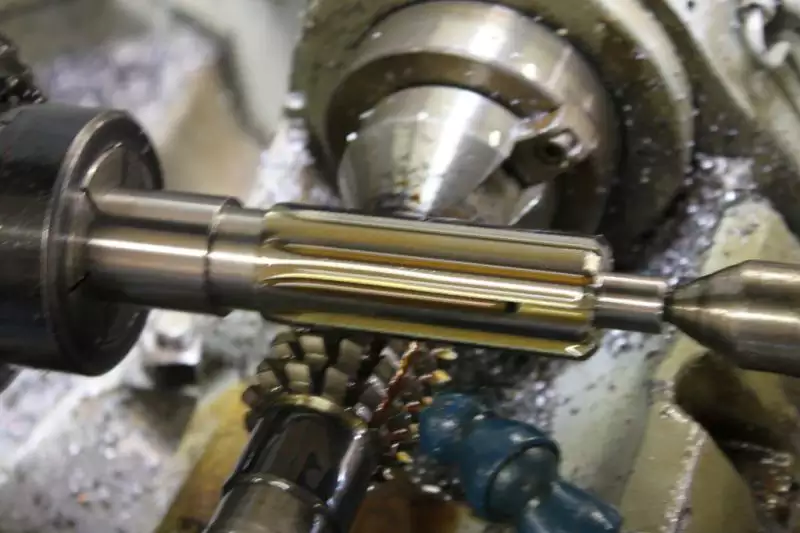
Our gear shafts undergo a comprehensive manufacturing process that ensures their durability and reliability. This process includes cutting operations like turning, milling, and grinding. Heat treatment processes such as quenching, tempering, and carburizing enhance the material properties. Special machining techniques like gear hobbing and shaving are employed for precise tooth profiles and surface finishes.
Applications and Failure Analysis of Gear Shafts
Gear shafts find applications in various industries, including automotive, aerospace, and industrial machinery. Understanding the potential failure modes and conducting preventive measures are crucial for maintaining the reliability of gear shafts. By analyzing failure patterns and implementing appropriate maintenance practices, we aim to minimize downtime and ensure the longevity of our gear shafts.
Partner with us today to experience the exceptional quality and performance of our gear shafts. Contact our team to discuss your specific requirements and discover how our expertise can benefit your business.
Author: Miya