What Are The Key Performance Indicators For Coal Mining Conveyor Chains?
Introduction:
In the coal mining industry, conveyor chains play a crucial role in the transportation of coal from one location to another. These chains are subjected to intense working conditions, making it essential to monitor their performance using key performance indicators (KPIs). This article will explore the various KPIs for coal mining conveyor chains and highlight their significance in ensuring efficient and reliable operations.
1. Chain Strength:
Chain strength is a crucial KPI as it determines the chain’s ability to withstand heavy loads and resist wear and tear. High strength chains are essential to ensure the safe and efficient transport of coal.
2. Chain Wear:
Monitoring chain wear is vital to prevent unexpected failures and downtime. By regularly measuring the wear of conveyor chains, maintenance can be scheduled in advance, reducing the risk of costly breakdowns.
3. Lubrication:
Proper lubrication is necessary to minimize friction and wear between the chain components. Regularly monitoring lubrication levels and ensuring that chains are adequately lubricated is crucial for their optimal performance.
4. Misalignment:
Chain misalignment can lead to premature wear and decreased efficiency. Monitoring the alignment of conveyor chains and promptly correcting any misalignments is crucial to maintain smooth and reliable coal transportation.
5. Shock Loading:
Coal mining conveyor chains are often subjected to shock loading due to the sudden impact of heavy loads. Monitoring and minimizing shock loading is essential to prevent chain failures and ensure uninterrupted operations.
6. Corrosion Resistance:
Conveyor chains used in coal mining are exposed to harsh environments that can lead to corrosion. Ensuring proper corrosion resistance of chains is vital to prolong their lifespan and maintain their performance.
7. Temperature:
Monitoring the temperature of conveyor chains is crucial as excessive heat can lead to accelerated wear and chain failure. By keeping the temperature within acceptable limits, the lifespan of the chains can be extended.
8. Maintenance Cost:
Monitoring the maintenance cost associated with conveyor chains provides insights into the overall efficiency and reliability of the system. By minimizing maintenance costs, coal mining operations can be optimized.
9. Chain Life:
Monitoring the overall life expectancy of conveyor chains helps in planning for timely replacements and minimizing unexpected failures. Maximizing chain life ensures smooth and uninterrupted coal transportation.
10. Energy Efficiency:
Efficient energy utilization is an essential KPI for coal mining conveyor chains. By optimizing the design and operation of the chains, energy consumption can be minimized, leading to cost savings and reduced environmental impact.
11. Noise Level:
Monitoring the noise level generated by conveyor chains is crucial for maintaining a safe and comfortable working environment. By minimizing noise levels, the overall well-being of the workforce can be improved.
12. Chain Alignment:
Proper alignment of conveyor chains is essential for smooth and efficient coal transportation. By regularly monitoring and adjusting chain alignment, the risk of chain failures and disruptions can be minimized.
13. Vibration:
Monitoring the vibration levels of conveyor chains helps in detecting potential issues such as misalignment, loose components, or excessive wear. Early detection of vibration abnormalities allows for timely maintenance and prevents costly breakdowns.
14. Conveyor Speed:
The speed at which the conveyor chains operate is a critical KPI for coal mining operations. By optimizing the conveyor speed, the overall efficiency and throughput can be maximized, resulting in increased productivity.
15. Safety:
Safety is a paramount concern in coal mining operations. Monitoring safety-related KPIs such as chain tension, emergency stop functionality, and proper guarding ensures the well-being of the workforce and compliance with safety regulations.
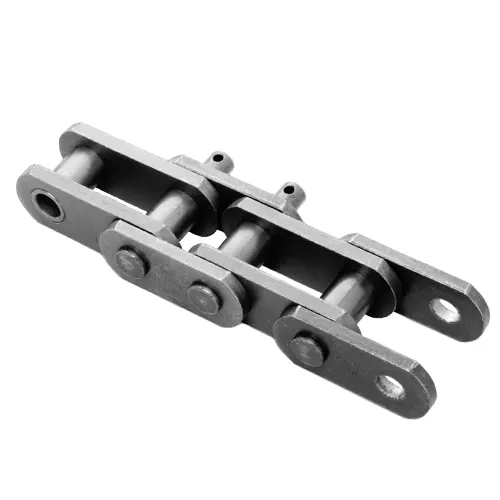
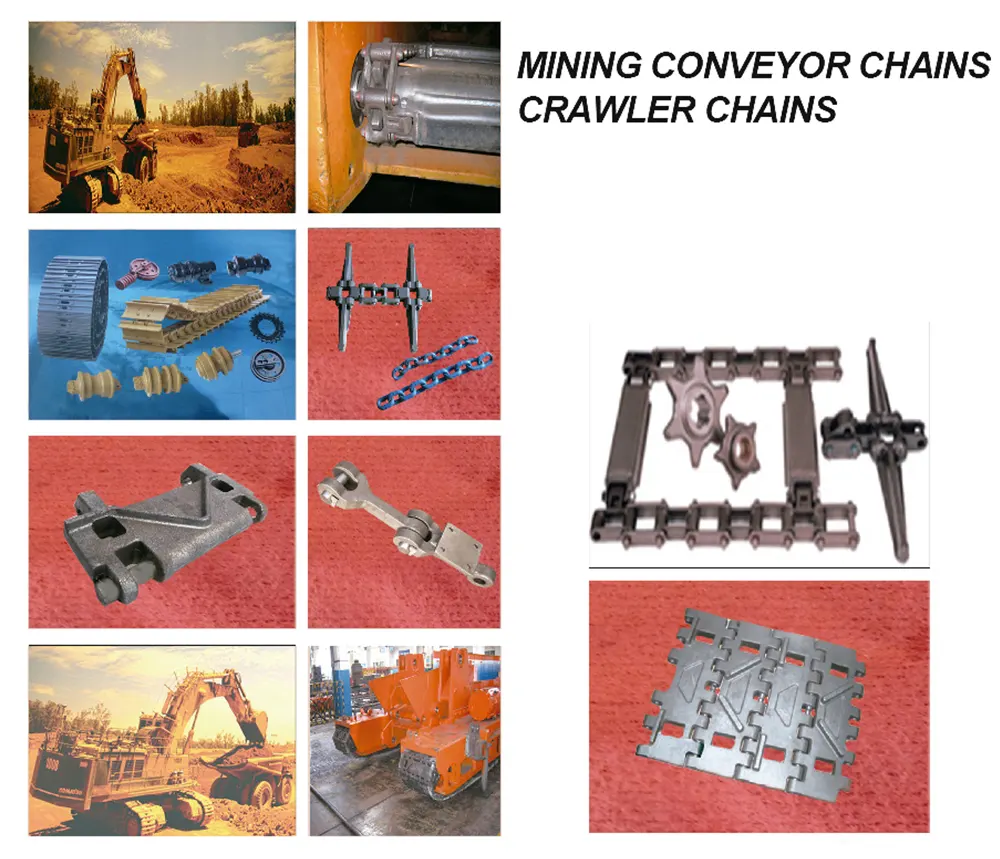
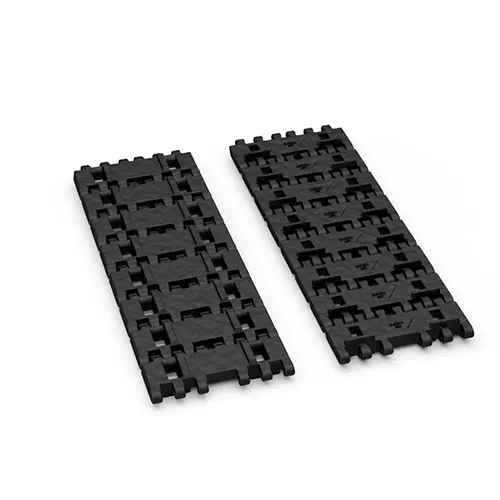
Daily Maintenance of Mining Chains:
- Regularly inspect the chains for signs of wear, corrosion, or damage.
- Ensure proper lubrication of the chains to minimize friction and wear.
- Tighten any loose connections or fasteners to prevent chain slippage.
- Monitor and maintain proper chain tension to optimize performance.
- Clean the chains regularly to remove debris and prevent buildup.
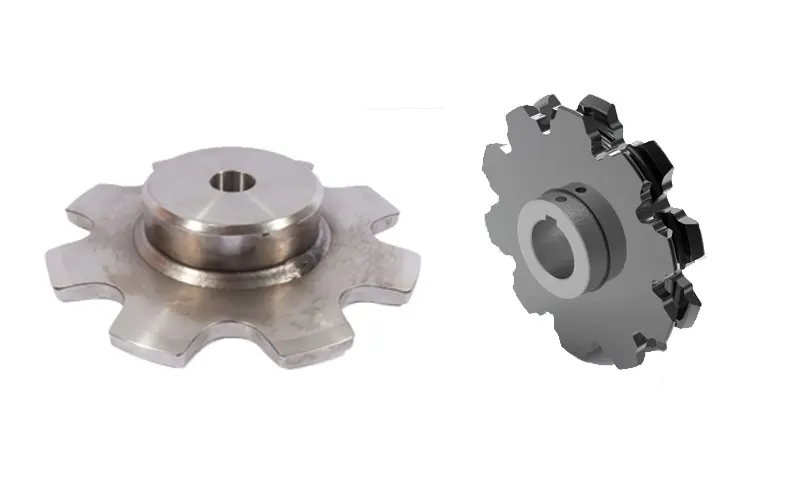
Sprockets for Mining Chains:
The relationship between sprockets and mining chains is symbiotic. Sprockets, which are toothed wheels that engage with the chain, facilitate the smooth movement and proper engagement of the mining chains. They provide the necessary traction and control required for efficient coal transportation. The design and quality of the sprockets directly impact the performance and lifespan of the mining chains.
About Ever-power:
- Ever-power is a leading manufacturer and supplier of mining chains, renowned for their superior quality and performance.
- Our company specializes in producing mining chains that are highly durable and resistant to wear, corrosion, and fatigue.
- We have a state-of-the-art production facility equipped with advanced machinery and technology to ensure the highest standards of product quality.
- With a strong presence in Europe and America, we have established a reputation for providing excellent customer service and competitive pricing.
- We prioritize customer satisfaction by offering reliable products and prompt assistance for all mining chain requirements.
- Explore our range of mining chains and experience the Ever-power advantage in terms of superior quality, efficient performance, and competitive prices.

Q&A:
Q: What maintenance practices can prolong the lifespan of mining chains?
A: Regular chain inspection, proper lubrication, timely replacement of worn components, and maintaining the correct tension can significantly extend the lifespan of mining chains.
Q: How can excessive chain wear be prevented?
A: Proper lubrication, regular inspection to detect wear at an early stage, and addressing any misalignment or tension issues promptly can help prevent excessive chain wear.
Q: What are some common causes of chain misalignment?
A: Chain misalignment can be caused by factors such as improper installation, worn sprockets, loose connections, or uneven chain tension.
Edited by: Zqq.