Chain tension is critical in the performance and lifespan of a chain-driven system. Proper tensioning ensures the chain’s smooth operation, optimal power transmission, and less wear and tear. In this article, we will discuss the key factors that affect chain tension and how to maintain it for your chain-driven applications.
System Design
The chain tension starts with the system design. The chain length, sprocket size, and the distance between the shaft centers should be appropriately calculated to achieve the desired tension. Any deviation from the recommended values can lead to insufficient or excessive tension.
Temperature
Temperature changes can affect the chain’s length and, consequently, the tension. High temperatures cause the chain to expand, which increases the distance between the shaft centers and reduces tension. Conversely, low temperatures cause the chain to contract, resulting in excessive tension. Therefore, it’s crucial to consider the temperature variations in the system design and adjust the tension accordingly.
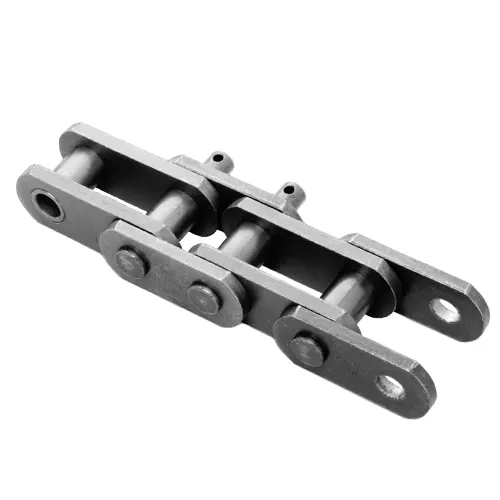
Lubrication
Insufficient lubrication causes friction between the chain and the sprocket, resulting in increased tension. On the other hand, over-lubrication attracts contaminants that accelerate wear and tear, leading to insufficient tension. Therefore, it’s crucial to lubricate the chain adequately and regularly to maintain the optimal tension.
Wear
As the chain wears out, it elongates, reducing the tension. Over time, the chain may elongate beyond the adjustment range, requiring replacement. Therefore, it’s essential to inspect the chain regularly and replace the worn-out components to maintain the optimal tension.
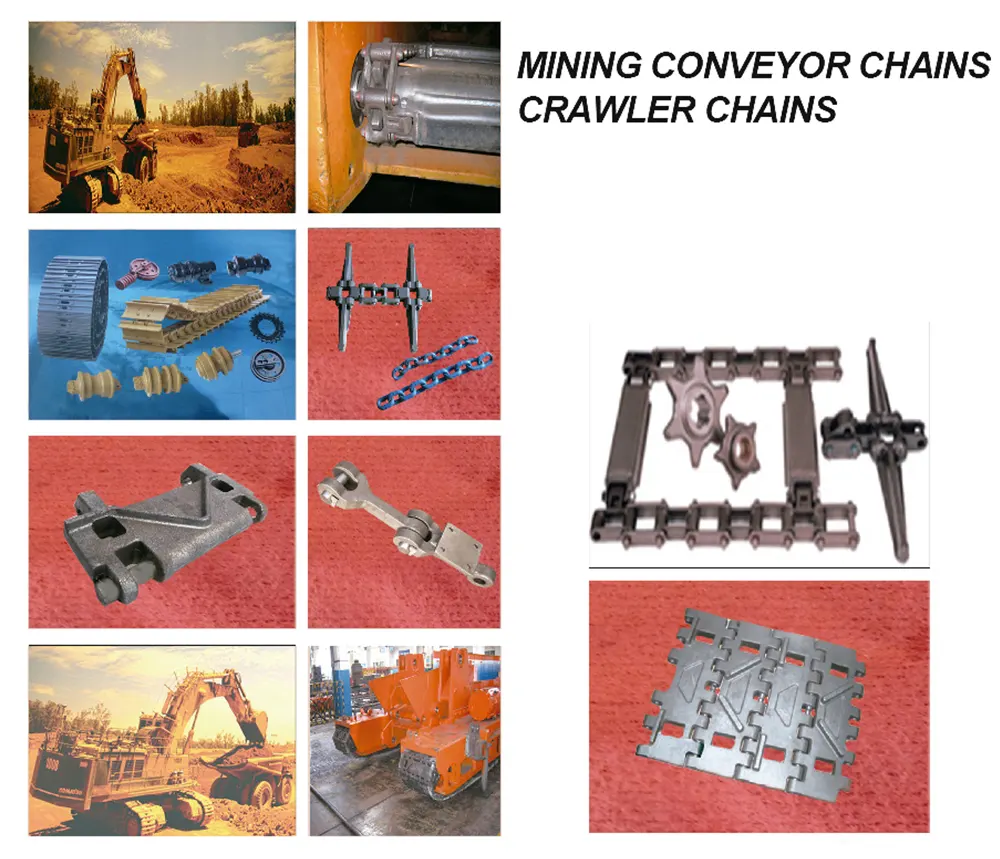
Alignment
Misaligned shafts cause the chain to run diagonally, leading to uneven wear and tear and excessive tension. Proper alignment ensures that the chain runs smoothly, reducing tension and prolonging the chain’s lifespan.
Tensioning Devices
Tensioning devices, such as tensioners and idlers, play a crucial role in maintaining the optimal tension. They compensate for the chain’s elongation and keep the tension within the recommended range. Therefore, it’s essential to choose the right tensioning device and install it correctly.
Conclusion
In conclusion, chain tension is critical in the performance and lifespan of a chain-driven system. Factors such as system design, temperature, lubrication, wear, alignment, and tensioning devices affect the chain tension. Proper maintenance and regular inspections ensure that the chain operates optimally and prolongs its lifespan.
Sprockets for Mining Chains
In mining applications, sprockets and chains are the backbone of the material handling systems. The sprockets drive the chains, which transport the materials from one point to another. They work together to ensure the system’s smooth operation and efficiency.
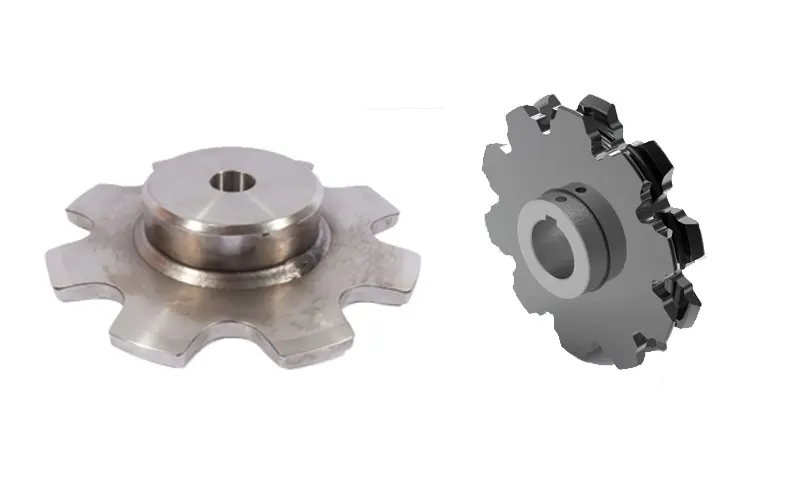
Sprockets come in different sizes, materials, and tooth configurations to match various chain types and applications. They are designed to withstand the harsh environments and heavy loads of the mining industry. Therefore, choosing the right sprocket is crucial in ensuring the optimal performance and longevity of the mining chains.
About Ever-power
Ever-power is a leading manufacturer of mining chains and sprockets. Our products are widely used in various mining applications worldwide. We have a state-of-the-art manufacturing facility and a team of experienced engineers and technicians who ensure that our products meet the highest standards of quality and performance.
Our mining chains and sprockets are made from high-quality materials and undergo rigorous testing to ensure their durability and reliability. We also offer customized solutions to match our customers’ specific needs and applications. Our clients in Europe and America have trusted us for many years due to our exceptional service, quality products, and competitive prices.
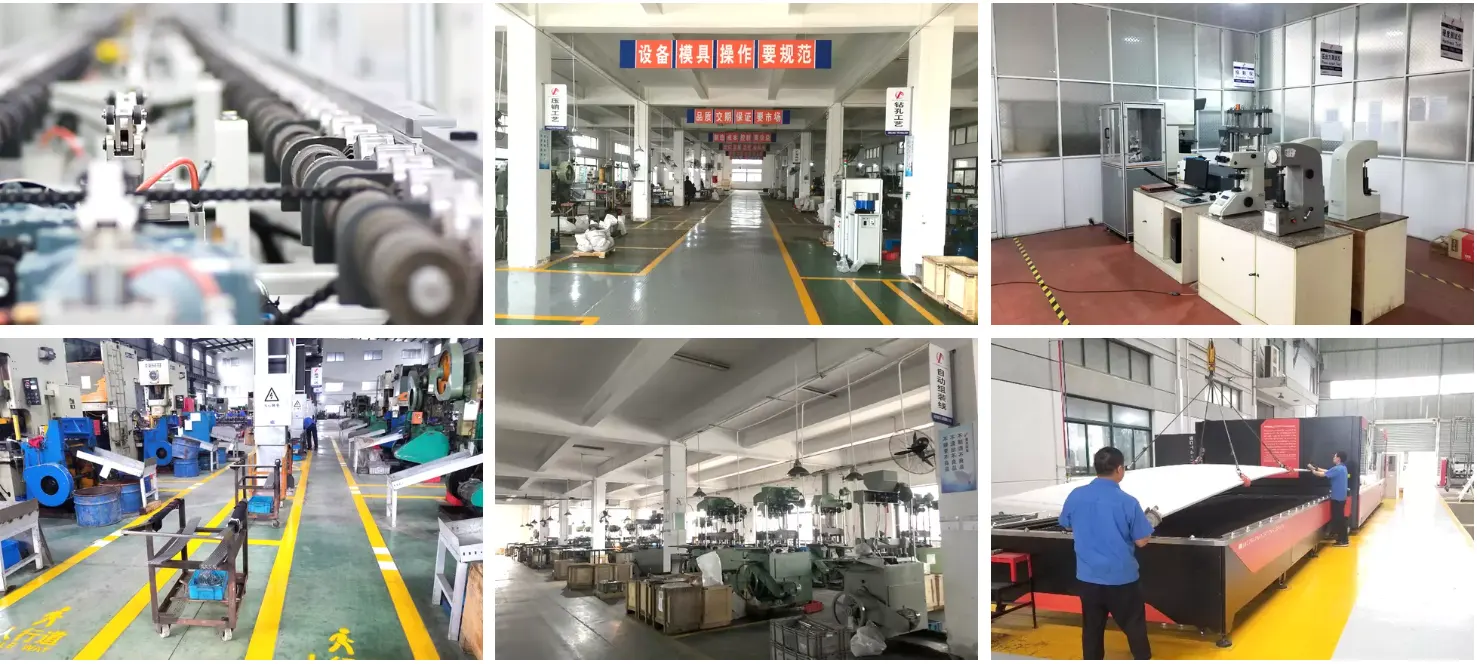
We encourage our customers to explore our products and contact us for any inquiries or purchases. We are committed to providing the best solutions for your mining chain and sprocket needs.
Q&A
Q: How often should I inspect my mining chains and sprockets for wear?
A: It’s recommended to inspect the chains and sprockets every three months or 500 hours of operation, whichever comes first.
Q: What lubrication should I use for my mining chains?
A: It’s recommended to use a high-quality lubricant that matches the chain’s specifications and the application’s conditions.
Q: Can I reuse my worn-out sprockets?
A: No, it’s not recommended to reuse worn-out sprockets. They can cause premature wear and tear of the new chains and endanger the system’s operation.
Edited by: Zqq.