Introduction
In the world of mechanical power transmission, gear designs play a crucial role in transmitting motion and power efficiently. Two commonly used gear designs are helical gears and worm gears. Although both serve similar purposes, they have distinct characteristics that set them apart. In this article, we will explore the key differences between helical and worm gear designs, shedding light on their unique features and applications.
1. Helical Gear Design
A helical gear design is characterized by its helix-shaped teeth. Unlike straight-cut gears, helical gears have angled teeth that gradually mesh, resulting in smoother and quieter operation. The helix angle of the teeth allows for increased contact area, resulting in higher load-carrying capacity and improved efficiency. These gears are commonly found in applications that require high torque transmission, such as automotive transmissions and heavy machinery.
2. Worm Gear Design
On the other hand, worm gears consist of a worm (a cylindrical screw-like gear) and a worm wheel (a gear with helical teeth). The distinctive feature of worm gears is their ability to transmit motion between non-parallel shafts at a right angle. This unique characteristic makes them suitable for applications where space is limited or when a large gear reduction is required. Worm gears are commonly used in conveyor systems, elevators, and winches.
3. Differences in Efficiency
When comparing the efficiency of helical and worm gear designs, helical gears generally have higher efficiency due to their continuous contact and gradual engagement of teeth. Worm gears, on the other hand, have lower efficiency due to the sliding action between the worm and worm wheel, resulting in higher friction and energy losses.
4. Differences in Load Capacity
Helical gears are known for their higher load-carrying capacity compared to worm gears. The angled teeth of helical gears distribute the load evenly, allowing them to handle higher torque and axial loads. In contrast, worm gears have a lower load-carrying capacity and are better suited for light to moderate loads.
5. Applications of Helical and Worm Gears
Helical gears find extensive use in applications such as automotive transmissions, industrial machinery, and power generation equipment. Their smooth operation, high torque capacity, and efficiency make them ideal for these applications. Worm gears, on the other hand, are widely used in industries that require precise and compact power transmission, such as material handling systems, packaging machinery, and robotics.
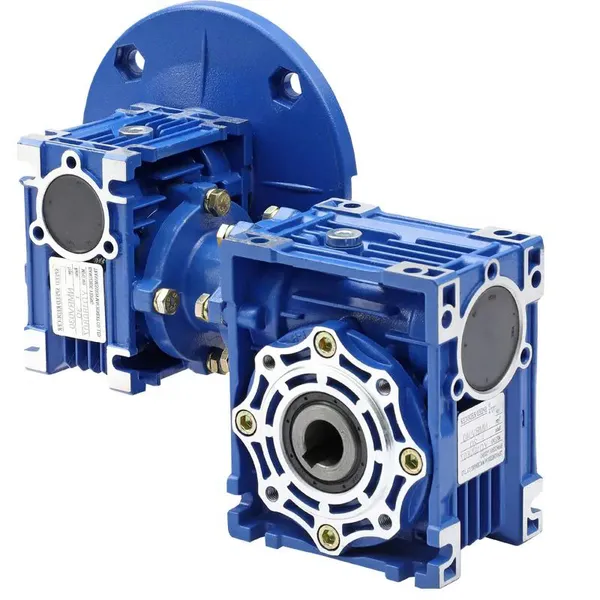
Electric Motors for Sale
Electric motors and gearboxes go hand in hand when it comes to power transmission. The gearbox, such as worm gearboxes, provides the necessary gear reduction and torque multiplication, while the electric motor supplies the driving force. This collaborative relationship between gearboxes and electric motors is essential for various industries and applications.
At our company, we offer a range of electric motors for sale, ensuring that our customers have access to a complete power transmission solution. Our electric motors are designed to complement our gearbox offerings, providing reliable and efficient performance. With our high-quality products, we strive to meet the diverse needs of our customers in different industries.

Conclusion
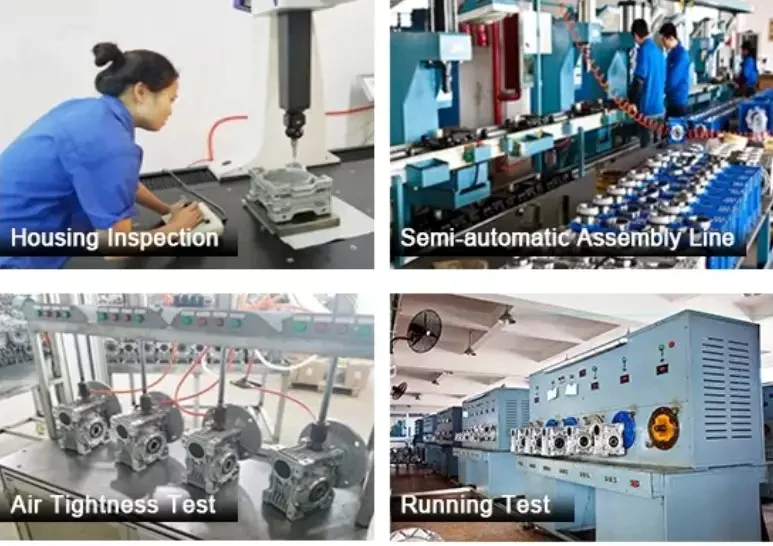
In conclusion, the key differences between helical and worm gear designs lie in their tooth configuration, efficiency, load-carrying capacity, and applications. Helical gears excel in high torque applications, offering higher efficiency and load capacity. On the other hand, worm gears are ideal for applications that require compact and precise power transmission at a right angle. At our company, we specialize in the production of high-quality gearboxes, including worm gearboxes, and provide top-notch services to our esteemed customers. With our strong reputation and commitment to excellence, we are the preferred choice for customers seeking reliable and competitively priced transmission equipment.
Q&A
Q: What are the advantages of using helical gears over straight-cut gears?
A: Helical gears offer smoother and quieter operation, increased load-carrying capacity, and improved efficiency compared to straight-cut gears.
Q: Can worm gears transmit motion between parallel shafts?
A: No, worm gears are specifically designed to transmit motion between non-parallel shafts at a right angle.
Q: What are the typical applications of helical gears?
A: Helical gears are commonly found in automotive transmissions, industrial machinery, and power generation equipment.
Q: Are worm gears suitable for high-torque applications?
A: Worm gears are better suited for light to moderate loads and are not typically used in high-torque applications.
Q: What industries benefit from the use of worm gears?
A: Industries such as material handling, packaging, and robotics benefit from the precise and compact power transmission capabilities of worm gears.
Edited by Zqq.