What are the key design considerations for spline shafts in aerospace applications?
Introduction
Spline shafts play a crucial role in aerospace applications, ensuring the efficient transfer of torque and power between various components. In this article, we will explore the key design considerations that need to be taken into account when designing spline shafts for aerospace applications.
1. Material Selection
Choosing the right material for spline shafts is essential to ensure their durability and performance in aerospace applications. The material must possess high tensile strength, excellent heat resistance, and low weight to meet the demanding requirements of the aerospace industry.
2. Manufacturing Process
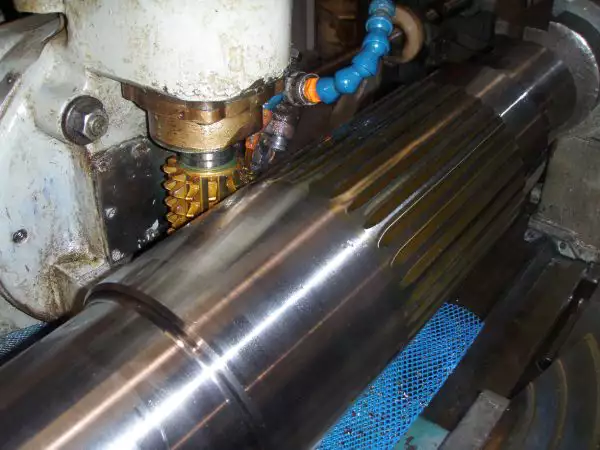
The manufacturing process of spline shafts involves precision machining techniques to achieve accurate dimensions and surface finish. Advanced manufacturing methods such as CNC machining and grinding are employed to ensure the highest level of precision and consistency.
3. Splines Profile
The selection of the spline profile is crucial for effective power transmission and torque distribution. Common spline profiles used in aerospace applications include involute and serrated splines. The choice depends on factors such as load requirements, rotational speed, and space constraints.
4. Lubrication and Maintenance
Proper lubrication is essential for the smooth operation and longevity of spline shafts. Aerospace applications often involve extreme operating conditions, including high temperatures and vibrations. Therefore, selecting the right lubricant and establishing a regular maintenance schedule are critical to prevent wear and ensure optimal performance.
5. Stress Analysis
A thorough stress analysis is essential to determine the strength and reliability of spline shafts in aerospace applications. Finite element analysis (FEA) is commonly used to simulate and evaluate the shaft’s performance under different loads and operating conditions. This analysis helps identify potential areas of stress concentration and optimize the design accordingly.
6. Tolerance and Fit
Precision fit between the spline shaft and mating components is crucial to ensure efficient power transmission and eliminate excessive backlash. Close tolerances and proper fit selection are required to maintain the required clearances while minimizing friction and wear.
7. Surface Treatment
Surface treatment techniques, such as coating or plating, are often applied to spline shafts in aerospace applications to enhance their resistance to corrosion, wear, and fatigue. These treatments improve the overall performance and extend the service life of the shafts.
8. Environmental Considerations
Aerospace applications involve exposure to various environmental conditions, including temperature extremes, moisture, and chemicals. Considering these factors during the design process ensures that the spline shafts can withstand the harsh surroundings and maintain their functionality over time.
9. Vibration and Noise Damping
Spline shafts in aerospace applications must be designed to minimize vibration and noise levels. The use of damping materials or incorporating design features that reduce resonance can significantly improve the overall performance and comfort of the aircraft or spacecraft.
10. Testing and Validation
Thorough testing and validation are crucial to ensure the reliability and safety of spline shafts in aerospace applications. Rigorous testing methods, including fatigue testing, torsional strength testing, and environmental testing, are conducted to verify the shaft’s performance under real-world conditions.
Conclusion
Designing spline shafts for aerospace applications requires meticulous attention to detail and adherence to stringent standards. By considering factors such as material selection, manufacturing process, spline profile, lubrication, stress analysis, tolerance and fit, surface treatment, environmental considerations, vibration and noise damping, testing, and validation, engineers can develop spline shafts that meet the demanding requirements of the aerospace industry.
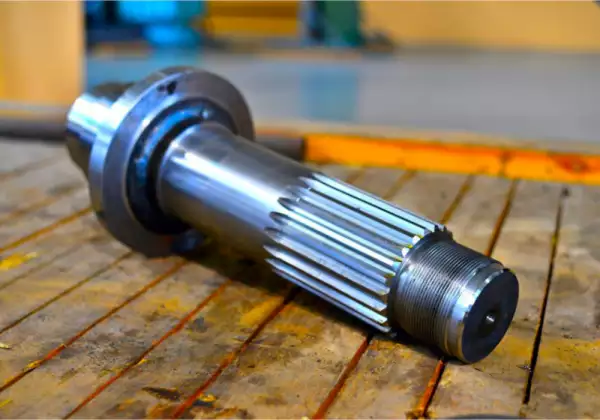
Our company specializes in the production and sale of various types of gears and spline shafts. With years of experience and expertise in the field, we are proud to offer top-quality products and services to our clients. Here are five key advantages of choosing our company:
1. Superior Quality:
At our company, we prioritize the highest standards of quality in our gear and spline shaft manufacturing processes. Our products undergo rigorous testing and inspection to ensure optimal performance and durability.
2. Customization Options:
We understand that different aerospace applications have unique requirements. That’s why we offer customizable spline shafts to meet your specific needs. Our team of experts is ready to assist you in designing and manufacturing a spline shaft that perfectly fits your application.
3. Fast Turnaround Time:
Time is of the essence in the aerospace industry. We pride ourselves on our efficient production processes and quick turnaround time. With our streamlined operations, we ensure timely delivery of your spline shafts without compromising on quality.
4. Competitive Pricing:
We believe that high-quality products should be accessible to all. That’s why we offer competitive pricing options for our gear and spline shafts. You can trust us to provide cost-effective solutions without compromising on performance or reliability.
5. Excellent Customer Support:
Our commitment to customer satisfaction goes beyond the sale. We provide exceptional customer support throughout the entire process. Our knowledgeable team is available to answer any questions, address concerns, and provide technical assistance whenever needed.
Spline Shaft Working Principle and Function
The spline shaft is a crucial component in aerospace applications, providing a means to transmit torque while allowing for slight misalignments and axial movements. Its primary function is to ensure smooth and efficient power transmission between connected components.
Spline Shaft Design and Selection Guide
When designing and selecting spline shafts for aerospace applications, several key considerations should be taken into account. These include the load capacity, torque requirements, material selection, lubrication, precision tolerance, and environmental factors.
Spline Shaft Manufacturing and Processing Techniques
The manufacturing and processing of spline shafts require precision and expertise. Various techniques, such as CNC machining and heat treatment, are employed to ensure accurate dimensions, surface finish, and hardness. Our company utilizes advanced manufacturing technologies to deliver spline shafts of the highest quality.
Spline Shaft Application Examples and Industry Practices
Spline shafts find extensive use in aerospace applications, including aircraft engines, landing gear systems, and transmission systems. Their reliability and versatility make them a preferred choice among aerospace engineers and manufacturers. Several industry practices and case studies showcase the successful implementation of spline shafts in various aerospace projects.
Partner with us today and experience the excellence of our gear and spline shaft solutions. Contact our team to discuss your specific requirements and discover how we can support your aerospace projects.
Author: Miya