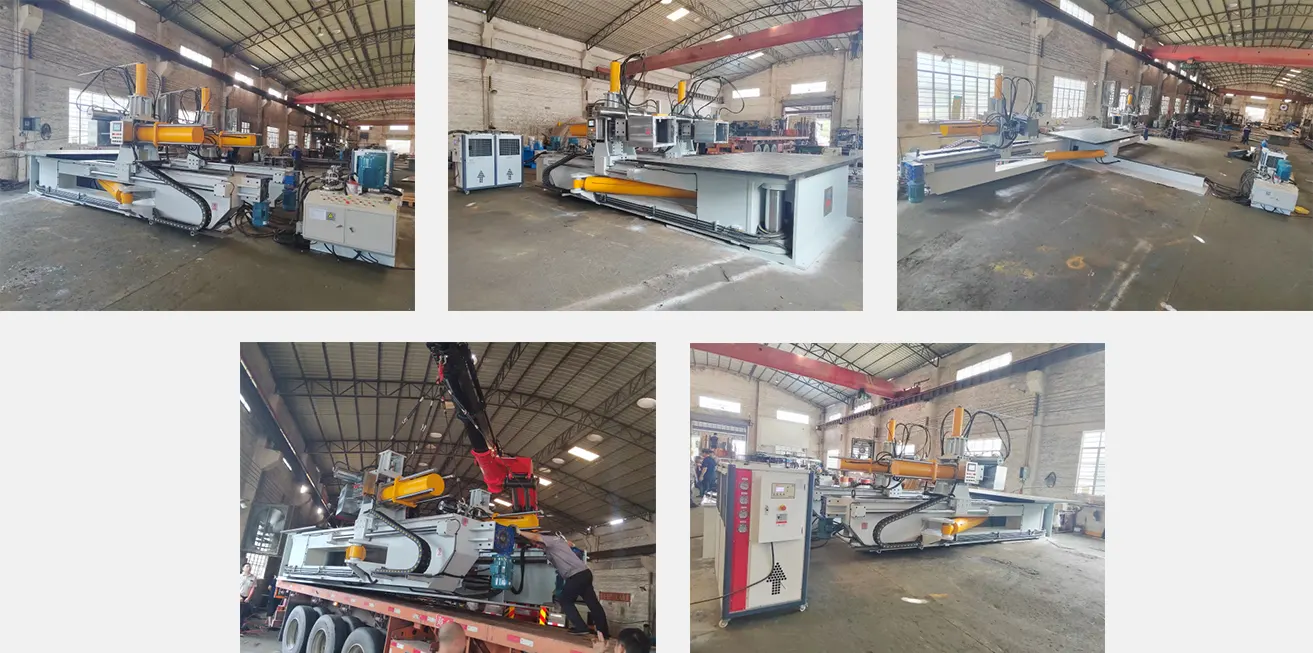
Essential Parts of a Bending Machine
A bending machine is an integral tool in the metalworking industry, capable of transforming flat metal sheets into various shapes and angles. To provide an in-depth understanding of this machine, let’s dissect its primary components and their respective roles.
Bending Tools
These are the parts that come into direct contact with the material to be bent. They apply the force necessary to alter the shape of the metal.
Blades
Blades, also known as dies, are where the metal sheet is placed for bending. They come in various shapes and sizes to accommodate different bending needs.
Guides
The guides ensure that the material is correctly aligned before and during the bending process for precision and uniformity.
Electrical Components
These parts power the machine, control its speed, and maintain its overall operation.
Advantages of Using a Bending Machine
Utilizing a bending machine offers several benefits such as:
- Efficiency: Bending machines perform tasks quicker and control speed better than manual methods, resulting in higher production rates.
- Precision: These machines provide consistently high accuracy in bending, yielding uniform pieces.
- Cost-effectiveness: They can reduce material waste and labor costs by bending metal more efficiently.
- Safety: By minimizing human contact with sharp edges and hot surfaces, bending machines can prevent injuries and accidents.
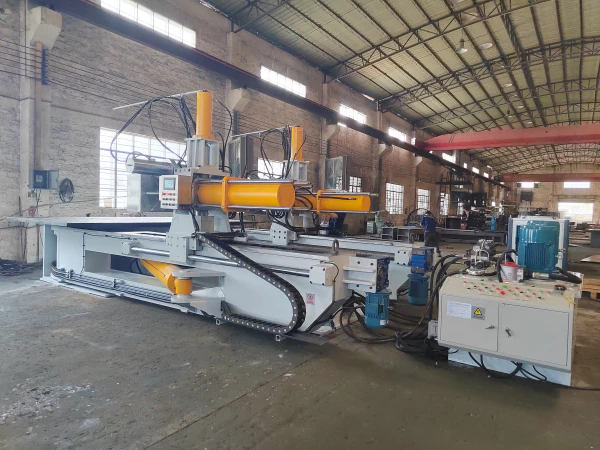
Maintaining Your Bending Machine
To ensure longevity and optimal performance, it’s essential to maintain your bending machine properly. Here are some maintenance tips:
- Regular Cleaning: Keep the machine free from debris, dust, and residue.
- Lubrication: Properly lubricate all moving parts as per the manufacturer’s recommendations to prevent friction and reduce wear.
- Inspect Components: Regularly check the bending tools, blades, guides, and other components for wear and tear, repairing or replacing any damaged parts promptly.
- Alignment: Periodically align the machine components to maintain bending accuracy.
- Tension and Pressure Settings: Monitor and adjust these settings as needed for different materials and bending requirements.
- Electrical Components: Ensure all electrical connections and components are in good condition.
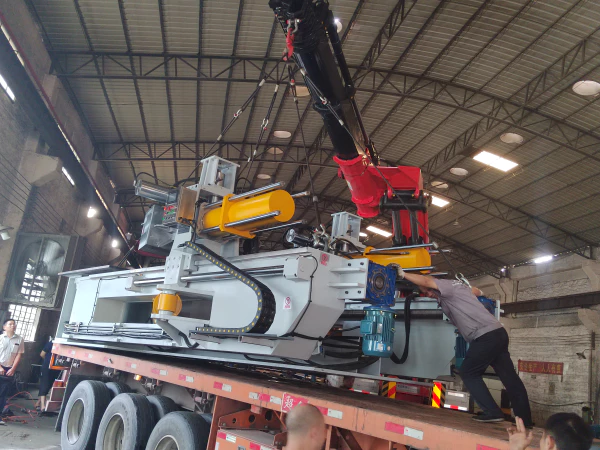
Explore Ever-power’s High-Quality Bending Machines
At Ever-power, we specialize in crafting top-notch hydraulic bending equipment. Our offerings range from CNC bending machines, pipe bending machines, I-beam bending machines, to tube bending machines and hot bending machines. With extensive experience in product design, our team tailors solutions that precisely match our customers’ needs.
Our professional expertise and technical finesse ensure convenient operation and minimal maintenance. Quality control is a priority to us, providing consistently stable and reliable performance across our product line. Efficiency is also at the heart of what we do, saving you time and reducing costs.
With a diverse array of styles and a broad range of services, we’re dedicated to delivering nothing short of excellence across all our offerings. We invite you to explore our bending machines and contact us for your purchase needs. We are confident that our products will exceed your expectations.