What are the emerging trends in lightweight gear shaft materials?
In today’s ever-evolving world of engineering, the quest for lightweight and high-performance gear shaft materials is at the forefront of technological advancements. The demand for gear shafts that are not only durable but also lighter has led to the emergence of several exciting trends in this domain. In this article, we will explore the key trends shaping the future of lightweight gear shaft materials, delving into their benefits and applications. Let’s dive in!
1. Carbon Fiber Reinforced Polymers (CFRPs)
One of the most promising trends in lightweight gear shaft materials is the utilization of Carbon Fiber Reinforced Polymers (CFRPs). These materials consist of carbon fibers embedded in a polymer matrix, resulting in a lightweight yet incredibly strong composition. CFRPs offer exceptional strength-to-weight ratio, making them ideal for applications where reducing weight is crucial without compromising performance. Their excellent fatigue resistance and corrosion resistance properties make CFRPs a popular choice in industries such as aerospace, automotive, and sports equipment manufacturing.
2. Titanium Alloys
Titanium alloys have long been recognized for their exceptional properties, including high strength, low density, and excellent corrosion resistance. In recent years, these alloys have gained significant traction in the production of lightweight gear shafts. Titanium alloys offer an excellent balance between weight reduction and mechanical performance, making them a preferred choice in industries where a high power-to-weight ratio is critical, such as racing and aerospace. The ability of titanium alloys to withstand high temperatures and maintain their integrity adds to their appeal as a versatile gear shaft material.
3. Magnesium Alloys
Magnesium alloys have emerged as another exciting trend in lightweight gear shaft materials. With their remarkable strength-to-weight ratio and excellent machinability, magnesium alloys are increasingly being used in various applications. These alloys exhibit excellent damping capacity, reducing vibration and enhancing overall system performance. Furthermore, the low density of magnesium alloys contributes to fuel efficiency, making them a preferred choice in the automotive and transportation industries. However, the susceptibility of magnesium alloys to corrosion necessitates appropriate surface treatments and coatings for long-term durability.
4. Hybrid Composites
To harness the unique properties of multiple materials, manufacturers are turning towards hybrid composites for lightweight gear shafts. Hybrid composites combine different types of fibers with various matrix materials, creating a synergistic effect that enhances strength, stiffness, and overall performance. By strategically placing different materials, engineers can optimize specific characteristics tailored to the gear shaft’s requirements. These composites offer a wide range of design possibilities, allowing for customized solutions in industries such as robotics, marine, and renewable energy. However, the complexity and cost associated with manufacturing hybrid composites pose challenges that need to be addressed.
5. Fiber Metal Laminates (FMLs)
Fiber Metal Laminates (FMLs) have gained significant attention in recent years as a lightweight alternative to conventional gear shaft materials. FMLs combine thin metal layers with fiber-reinforced composite layers, resulting in a material that exhibits the advantages of both metals and composites. The combination of metal layers provides excellent strength and stiffness, while the composite layers contribute to weight reduction and damage tolerance. FMLs find applications in various industries, including aerospace, where their high fatigue resistance and impact resistance are highly valued.
Conclusion
The pursuit of lightweight gear shaft materials has led to the emergence of exciting trends that offer tremendous potential in numerous industries. Carbon Fiber Reinforced Polymers (CFRPs), titanium alloys, magnesium alloys, hybrid composites, and Fiber Metal Laminates (FMLs) are revolutionizing the design and production of gear shafts by providing enhanced strength, reduced weight, and improved performance. As these trends continue to evolve, it is crucial for engineers and manufacturers to stay at the forefront of material advancements to unlock new possibilities and drive innovation in the field of lightweight gear shafts.
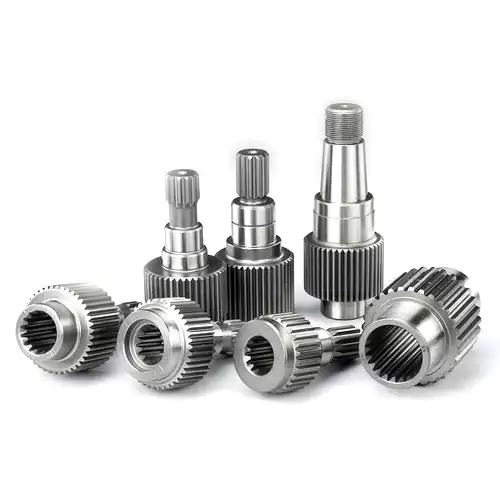
Our company specializes in the production and sales of various types of gear and gear shafts. We take pride in our exceptional products and services, offering several advantages that set us apart from competitors:
- High-Quality Materials: We use only the finest materials for our gear shafts, ensuring durability and reliability.
- Precision Engineering: Our gear shafts are meticulously designed and manufactured to meet the highest standards of accuracy and performance.
- Customization Options: We offer a wide range of customization options to meet the unique needs and specifications of our customers.
- Advanced Technology: Our state-of-the-art production facilities and cutting-edge technology enable us to deliver superior gear shafts.
- Expert Team: Our team of experienced engineers and technicians possess extensive knowledge and expertise in gear and gear shaft manufacturing.
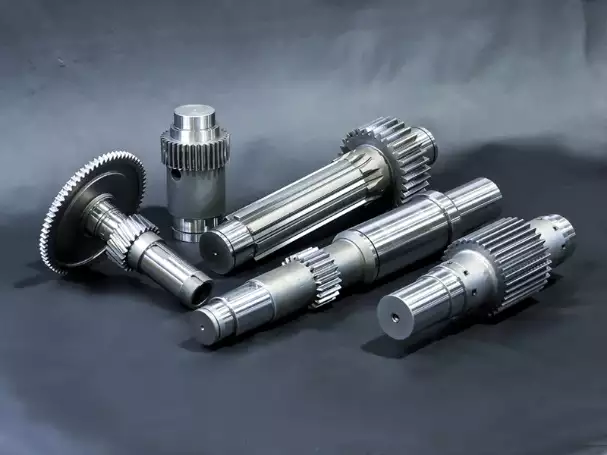
The Importance of Gear Shafts in Mechanical Transmission Systems
Gear shafts play a crucial role in mechanical transmission systems. They are responsible for transferring torque and rotational motion between gears, ensuring smooth and efficient power transmission. Without reliable gear shafts, the functioning of various machinery and equipment would be compromised.
Gear Shaft Materials and Selection Criteria
When it comes to gear shafts, selecting the right materials is of utmost importance. The material choice affects the performance, durability, and reliability of the gear shaft. Some key factors to consider when selecting gear shaft materials include:
Mechanical Properties:
The material should have high strength, fatigue resistance, and toughness to withstand the stresses and strains involved in gear transmission.
Wear Resistance:
The gear shaft material should possess good wear resistance to minimize wear and extend the lifespan of the gear system.
Machinability:
Easy machinability of the material allows for efficient and cost-effective production processes.
Corrosion Resistance:
In certain environments, gear shafts may be exposed to moisture, chemicals, or other corrosive substances. Choosing a material with corrosion resistance properties helps maintain the longevity and performance of the gear shaft.
Design Considerations for Gear Shafts
Designing gear shafts involves several critical considerations:
Load Distribution:
The gear shaft design should ensure proper load distribution across the gear teeth to prevent premature wear and failure.
Axial and Radial Clearances:
Clearances between gear shafts and other components must be carefully determined to guarantee smooth operation and minimize friction.
Bearing Support:
The design should incorporate appropriate bearing support to reduce axial and radial deflection, ensuring stable and reliable gear transmission.
Gear Shaft Manufacturing Processes
At our company, we employ various manufacturing processes to produce high-quality gear shafts:
Cutting Processes:
We utilize advanced cutting processes such as turning, milling, and grinding to shape and finish the gear shafts with precision.
Heat Treatment:
To enhance the mechanical properties of the gear shafts, we subject them to heat treatment processes like quenching, tempering, and carburizing.
Specialized Processes:
In addition to cutting and heat treatment, we also offer specialized processes like gear rolling and shaving to achieve optimum gear tooth profiles and surface finish.
Applications and Failure Analysis of Gear Shafts
Gear shafts find extensive applications in various industries, including automotive, aerospace, and industrial machinery. However, like any mechanical component, gear shafts may experience failures due to factors such as excessive loads, inadequate lubrication, or material fatigue. Proper maintenance, regular inspections, and adherence to recommended operating conditions can help prevent such failures.
Interested in collaborating with us? Contact our team today to discuss your gear shaft requirements and discover how we can provide the perfect solution for your needs.
Author: Miya