What are the differences in heat generation and cooling requirements between hypoid and cylindrical gears?
Introduction
In the field of gear engineering, hypoid and cylindrical gears are widely used in various industries. While both types of gears serve the purpose of transmitting rotational motion, there are significant differences in their heat generation and cooling requirements. Understanding these differences is crucial for optimizing gear design and ensuring efficient operation. In this article, we will explore the distinctions between hypoid and cylindrical gears in terms of heat generation and cooling needs.
Heat Generation in Hypoid Gears
Hypoid gears, characterized by their offset axes and curved tooth surfaces, exhibit unique heat generation properties. These gears rely on sliding motion between the teeth during operation, resulting in a higher amount of frictional heat compared to cylindrical gears. The hypoid gear tooth geometry contributes to the distribution of contact stress and an increase in surface temperatures.
1. Contact Surface Area
The contact surface area of hypoid gears is larger than that of cylindrical gears due to the curved tooth profile. This increased contact area results in a higher heat generation as the gears mesh and transmit power. The larger surface area enhances the heat dissipation process and necessitates suitable cooling mechanisms to maintain optimal operating temperatures.
2. Sliding Friction
Sliding friction in hypoid gears is another significant factor contributing to heat generation. As the teeth slide against each other during operation, the frictional forces cause heat to be generated at the tooth contact points. The sliding action also leads to greater wear on the gear teeth, requiring efficient lubrication and cooling methods.
3. Lubrication Challenges
Hypoid gears present lubrication challenges due to their offset axis design. The sliding motion and high contact pressures necessitate specialized lubricants that can withstand extreme operating conditions. Effective lubrication not only reduces frictional losses but also aids in heat dissipation, ensuring the gears operate within the recommended temperature range.
Cooling Requirements for Hypoid Gears
Given the higher heat generation in hypoid gears, effective cooling mechanisms are essential for maintaining their performance and prolonging their service life. The following factors influence the cooling requirements of hypoid gears:
1. Forced Convection Cooling
Due to the heat concentration in specific areas of the gear teeth, forced convection cooling methods are often employed. This involves directing a flow of air or other cooling mediums to remove heat from the gear surfaces efficiently. The cooling mechanism must be designed to ensure uniform cooling across the entire gear surface, preventing localized overheating and potential damage.
2. Enhanced Heat Dissipation
Hypoid gears often incorporate features to enhance heat dissipation, such as cooling fins or grooves on the gear body. These additional surfaces increase the overall heat transfer area and promote better cooling performance. By optimizing the gear design to maximize heat dissipation, the cooling requirements can be effectively managed.
3. Cooling Fluids and Circulation
In applications where the heat generation is significant, the use of cooling fluids, such as oil or water, can be employed. These fluids circulate through the gear system, absorbing and carrying away heat to an external cooling unit. Proper circulation and cooling fluid selection are crucial to control the gear temperature rise and prevent overheating.
Heat Generation in Cylindrical Gears
Unlike hypoid gears, cylindrical gears have parallel axes and teeth with straight profiles. This fundamental difference in gear geometry leads to distinct heat generation characteristics:
1. Lower Sliding Friction
Compared to hypoid gears, cylindrical gears experience lower sliding friction during operation. The parallel tooth profiles minimize the sliding motion between the teeth, reducing frictional losses and consequent heat generation. This property makes cylindrical gears suitable for applications where heat generation needs to be minimized.
2. Concentrated Contact Area
The contact area in cylindrical gears is more concentrated than in hypoid gears due to the straight tooth profile. This concentrated contact area results in higher contact pressures and localized heat generation. Consequently, effective cooling measures need to be implemented to prevent excessive temperature rise and potential gear failure.
3. Lubrication Considerations
Cylindrical gears benefit from simplified lubrication requirements compared to hypoid gears. The lower sliding friction and reduced tooth sliding motion allow for more straightforward lubrication arrangements. Adequate lubrication is still essential to minimize wear and maintain optimal operating conditions.
Cooling Requirements for Cylindrical Gears
While cylindrical gears generate less heat compared to hypoid gears, proper cooling measures are still necessary. The cooling requirements for cylindrical gears are influenced by the following factors:
1. Natural Convection Cooling
Since cylindrical gears have a lower heat generation, natural convection cooling is often sufficient. The surrounding air naturally dissipates the heat from the gear surfaces, maintaining acceptable operating temperatures. Adequate ventilation and open design of gear housings facilitate efficient natural convection cooling.
2. Heat Sink Design
In applications where the heat generation exceeds the capabilities of natural convection cooling, heat sink designs can be implemented. Heat sinks provide additional surface area to enhance heat dissipation and can be made from materials with high thermal conductivity. Effective heat sink design ensures efficient cooling and prevents the gear temperature from exceeding critical limits.
3. Temperature Monitoring
To ensure the cooling requirements of cylindrical gears are met, temperature monitoring systems can be employed. These systems continuously measure the gear temperature and trigger cooling mechanisms if the temperature exceeds the specified threshold. Real-time temperature monitoring allows for proactive cooling control and prevents premature gear failure.
Conclusion
In summary, the differences in heat generation and cooling requirements between hypoid and cylindrical gears stem from their distinct geometries and tooth profiles. Hypoid gears generate more heat due to their curved tooth surfaces and sliding friction, necessitating specialized cooling methods and lubrication. On the other hand, cylindrical gears experience lower heat generation and can be cooled using natural convection methods, supplemented by heat sinks if required. By understanding these differences, gear engineers can design and optimize gear systems for maximum efficiency, reliability, and longevity.
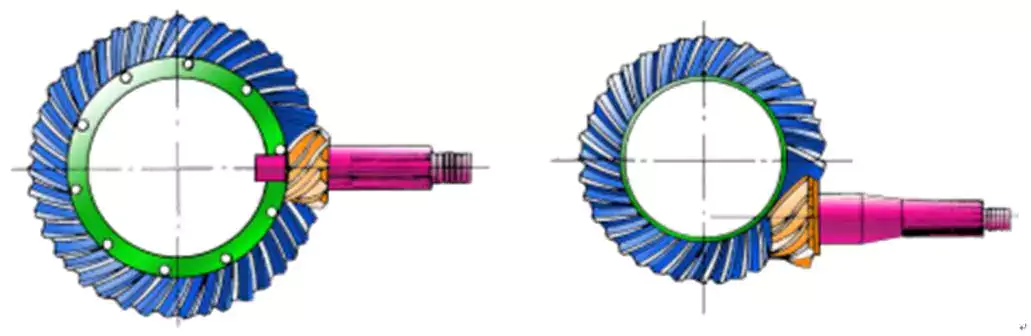
Our Gear Manufacturing Process
At our gear factory, we specialize in the production of high-quality gears. Our manufacturing process involves the following steps:
- Raw Material Preparation: We start by preparing the gear blanks through forging and heat treatment processes to ensure optimal material properties.
- Rough Machining: The rough machining stage includes operations such as turning, drilling, and boring to shape the gear blanks according to the desired specifications.
- Forming Process: This stage involves gear-specific processes such as gear hobbing, gear shaping, or gear shaving to create the precise tooth profiles.
- Semi-Finishing: After forming, the gears undergo processes like chamfering, keyway cutting, and deburring to remove any sharp edges and ensure smooth operation.
- Heat Treatment: Heat treatment processes like carburizing, nitriding, or quenching and tempering are performed to enhance the gear’s hardness, wear resistance, and overall strength.
- Finishing Machining: The gears then undergo precision finishing operations such as gear grinding or honing to achieve the desired tooth surface finish and dimensional accuracy.
- Inspection and Quality Control: We conduct rigorous inspections to ensure the gears meet the required standards. This includes gear testing and surface treatments if necessary.
Note: The specific manufacturing process may vary depending on the gear type and customer requirements.
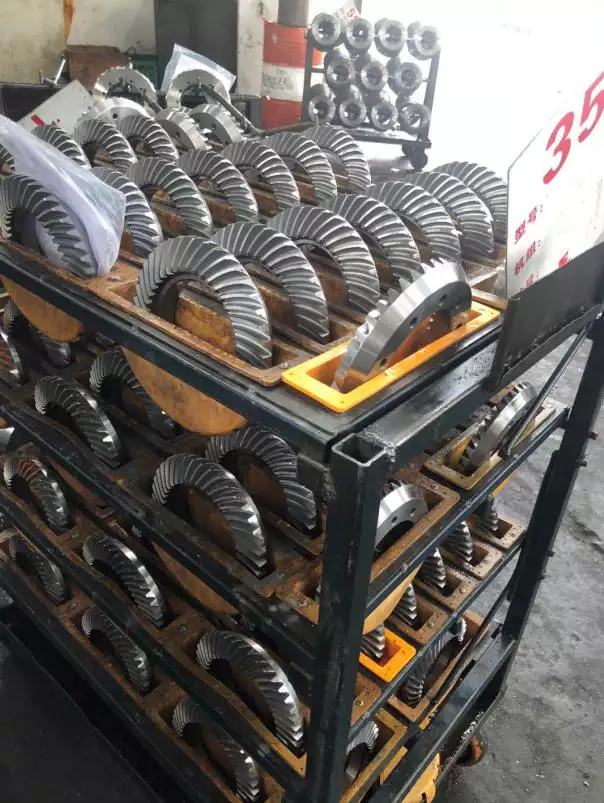
Our gear factory takes pride in several key advantages:
- Expertise: With years of experience, our team comprises skilled professionals who possess in-depth knowledge of gear manufacturing techniques and industry standards.
- Advanced Technology: We utilize state-of-the-art machinery and cutting-edge technology to ensure precise and high-quality gear production.
- Quality Assurance: Our stringent quality control measures ensure that every gear leaving our facility meets the highest standards for performance and reliability.
- Customization: We offer customization options to tailor gears according to specific customer requirements, ensuring optimal performance in their applications.
- Timely Delivery: Our streamlined production process allows us to meet customers’ delivery deadlines without compromising on quality.
- Competitive Pricing: We strive to provide competitive pricing without compromising the quality and performance of our gears.
If you are looking for a reliable gear manufacturing partner, we are here to meet your needs. Contact us today to discuss your gear requirements and explore how our expertise can benefit your business.
Author: Miya