What are the consequences of incorrect gear shaft end float settings?
Incorrect gear shaft end float settings can have serious implications on the performance and durability of a gearbox. In this article, we will explore the various consequences that can arise from improper gear shaft end float settings and the impact they can have on the overall functionality of a gearbox.
1. Excessive Noise and Vibration
When gear shaft end float is incorrectly set, it can lead to excessive noise and vibration within the gearbox. This can result in a less smooth and comfortable operation, which can be detrimental to the overall user experience.
2. Premature Gear Wear
Improper gear shaft end float settings can cause premature wear on the gear teeth. When the end float is not within the specified range, it can lead to concentrated loads on certain areas of the gear teeth, causing accelerated wear and reduced gear lifespan.
3. Gear Misalignment
Incorrect end float settings can also lead to gear misalignment. This occurs when the gears do not mesh properly due to excessive end float, resulting in poor power transmission efficiency and increased risk of gear tooth failure.
4. Lubrication Issues
Improper end float settings can disrupt the lubrication process within the gearbox. Insufficient end float can lead to inadequate lubrication of the gear teeth, causing increased friction and heat generation. On the other hand, excessive end float can result in oil leakage and ineffective lubrication, leading to accelerated wear and potential gear failure.
5. Reduced Gearbox Efficiency
Incorrect end float settings can significantly impact the overall efficiency of a gearbox. The combination of noise, vibration, gear wear, misalignment, and lubrication issues can result in reduced power transfer efficiency, leading to energy loss and decreased performance.
6. Increased Maintenance and Repair Costs
When gear shaft end float settings are incorrect, it can lead to a higher frequency of maintenance and repair requirements. The consequences mentioned above, such as gear wear and misalignment, can result in more frequent breakdowns and the need for costly repairs or component replacements.
Conclusion
Proper gear shaft end float settings are crucial for the reliable and efficient operation of a gearbox. Incorrect settings can have a cascading effect, causing excessive noise, premature wear, gear misalignment, lubrication issues, reduced efficiency, and increased maintenance costs. Therefore, it is essential to adhere to the manufacturer’s specifications and guidelines to ensure optimal gear performance and longevity.
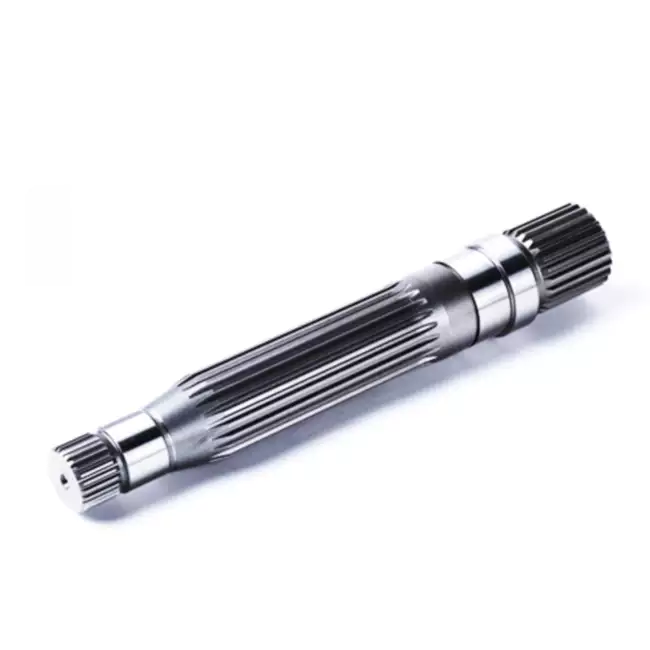
Our company specializes in the production and sale of various types of gears and gear shafts. With our expertise and high-quality products, we stand out in the market. Here are five advantages of choosing our company:
- Advanced Manufacturing Technology: Our gears and gear shafts are manufactured using state-of-the-art technology, ensuring precision and durability.
- Wide Range of Products: We offer a diverse range of gear and gear shaft options to cater to different industries and applications.
- High-Quality Materials: Our gear shafts are made from top-grade materials, ensuring strength and reliability in demanding conditions.
- Customization Options: We understand that each application has unique requirements. Therefore, we offer customization options to meet specific needs.
- Excellent Customer Service: Our dedicated team is committed to providing exceptional customer service, ensuring a seamless experience from inquiry to delivery.
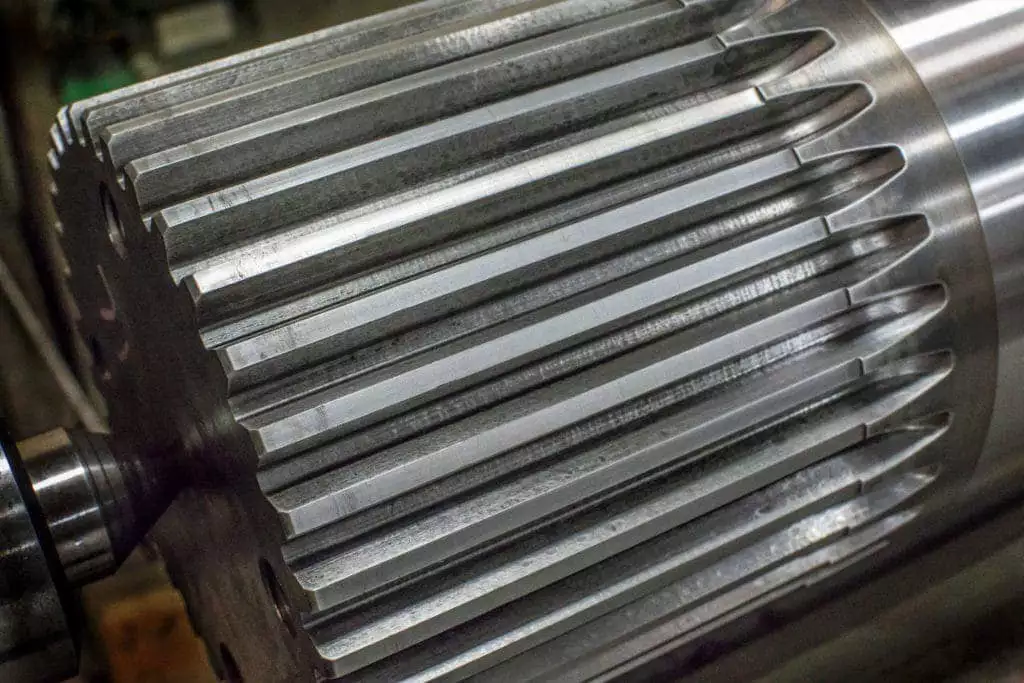
The Importance of Gear Shafts
Gear shafts play a crucial role in mechanical transmission systems. They are responsible for transmitting power and motion between gears, ensuring smooth and efficient operation. Without properly functioning gear shafts, the overall performance of the machinery can be compromised.
Materials and Selection Criteria for Gear Shafts
When it comes to gear shafts, the choice of materials is critical. Factors such as strength, durability, and resistance to wear and corrosion need to be considered. The following are key points to consider when selecting gear shaft materials:
- Strength: The material should have high strength to withstand the loads and stresses experienced during operation.
- Hardness: A certain level of hardness is necessary to resist wear and maintain dimensional stability.
- Toughness: The material should possess toughness to withstand sudden impacts and shocks.
- Corrosion Resistance: In environments where moisture or corrosive substances are present, the material should exhibit excellent resistance to corrosion.
Design Considerations for Gear Shafts
Proper design is crucial to ensure the optimal performance and longevity of gear shafts. The key design considerations include:
- Proper Dimensioning: The gear shaft dimensions should be accurately determined to ensure proper fit and alignment with other components.
- Balancing: Balancing the gear shaft minimizes vibrations and ensures smooth operation.
- Surface Finish: The surface finish of the gear shaft should be carefully controlled to reduce friction and wear.
Gear Shaft Manufacturing Process
Our gear shafts undergo a meticulous manufacturing process, which includes the following:
- Cutting Processes: Turning, milling, and grinding are employed to shape the gear shafts with precision.
- Heat Treatment: Gear shafts undergo heat treatment processes such as quenching, tempering, and carburizing to enhance their strength and hardness.
- Special Processes: Additional processes like gear rolling and shaving are performed to achieve specific gear profiles.
Applications and Failure Analysis
Gear shafts find extensive applications in various industries, including automotive, aerospace, and manufacturing. However, incorrect gear shaft end float settings can lead to several consequences, including:
- Excessive Wear: Improper end float settings can cause excessive wear on the gears and shafts, reducing their lifespan.
- Increased Noise and Vibration: Incorrect end float settings can result in increased noise and vibrations, affecting the overall performance of the machinery.
- Poor Gear Engagement: Improper end float settings can lead to poor gear engagement, resulting in inefficient power transmission and decreased efficiency.
- System Overload: Incorrect end float settings can cause excessive loading on the gears and shafts, potentially leading to system failure.
With our expertise in gear shafts and commitment to delivering high-quality products, we are the ideal partner for all your gear shaft needs. Contact us today to discuss how we can collaborate for mutual success.
Author: Miya