Stepless speed variators are becoming increasingly popular in various industries. They provide a high degree of precision and control, making them ideal for applications that require accurate speed regulation. However, to ensure the reliable and efficient operation of stepless speed variators, they need to be tested thoroughly. In this article, we will discuss the common testing methods used for stepless speed variators.
Visual Inspection
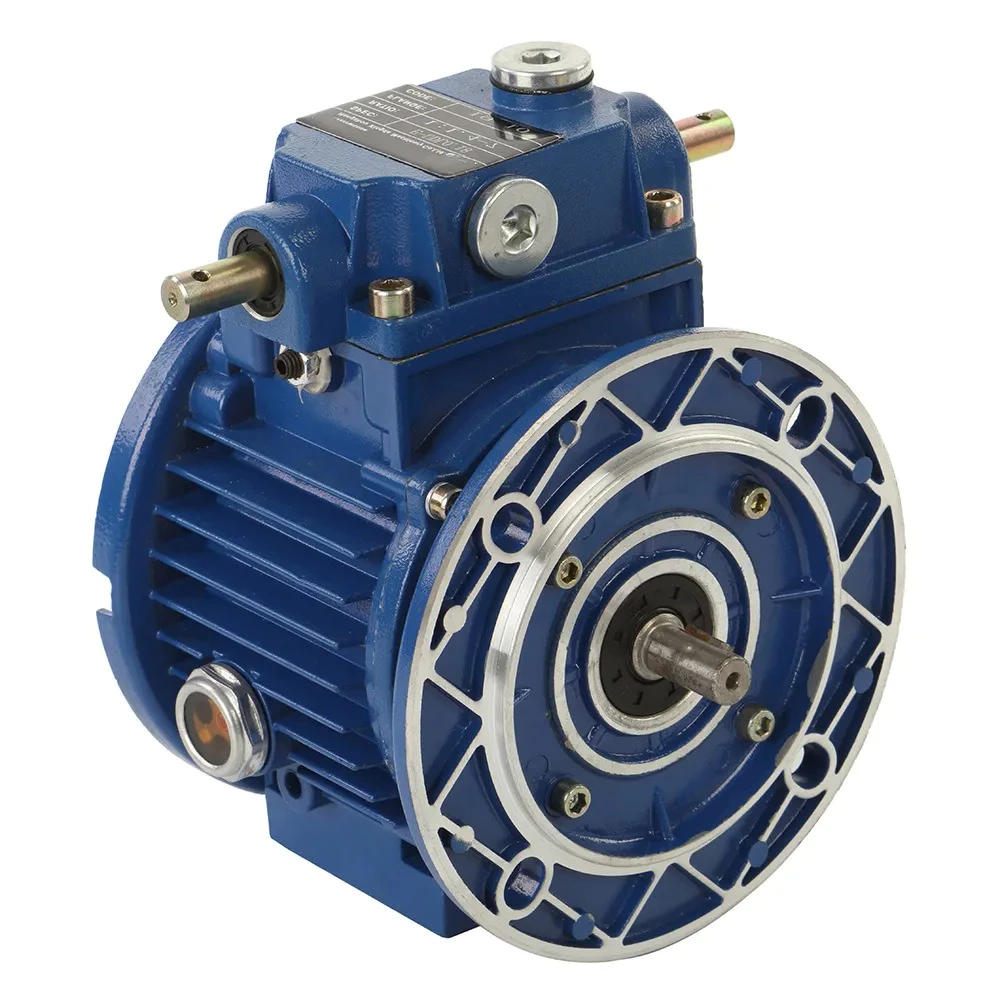
The first step in testing a stepless speed variator is a visual inspection. A visual inspection can reveal any defects or issues with the variator’s housing, shafts, gears, and other components. During the inspection, technicians look for signs of wear and tear, corrosion, damage, or misalignment. They also check the lubrication levels and cleanliness of the components.
Noise Testing
Noise testing is crucial to ensure the smooth and quiet operation of stepless speed variators. During this test, the variator is run at different speeds while a sound level meter measures the noise level. The noise level should be within the specified range for the particular variator model. If the noise level is too high, it can indicate issues with the bearings, gears, or other components.
Vibration Testing
Vibration testing is conducted to detect any abnormal vibration patterns that may indicate problems with the variator’s components. During this test, the variator is run at different speeds while a vibration analyzer measures the level and frequency of the vibration. If the vibration exceeds the specified limits, it can indicate issues with the bearings, gears, or other components.

Load Testing
Load testing is performed to check the variator’s ability to handle different loads. During this test, the variator is run at different speeds while a dynamometer measures the torque and power output. The test is conducted at different load levels to determine the variator’s maximum load capacity and efficiency. If the variator fails to meet the specified load capacity or efficiency, it can indicate issues with the bearings, gears, or other components.
Conclusion
Testing is a critical part of ensuring the reliable and efficient operation of stepless speed variators. Through visual inspection, noise testing, vibration testing, and load testing, any issues or defects can be detected and addressed promptly. At Ever Power, we offer a wide range of high-quality stepless speed variators that are rigorously tested to ensure their reliability and efficiency.
Electric Motors for Sale
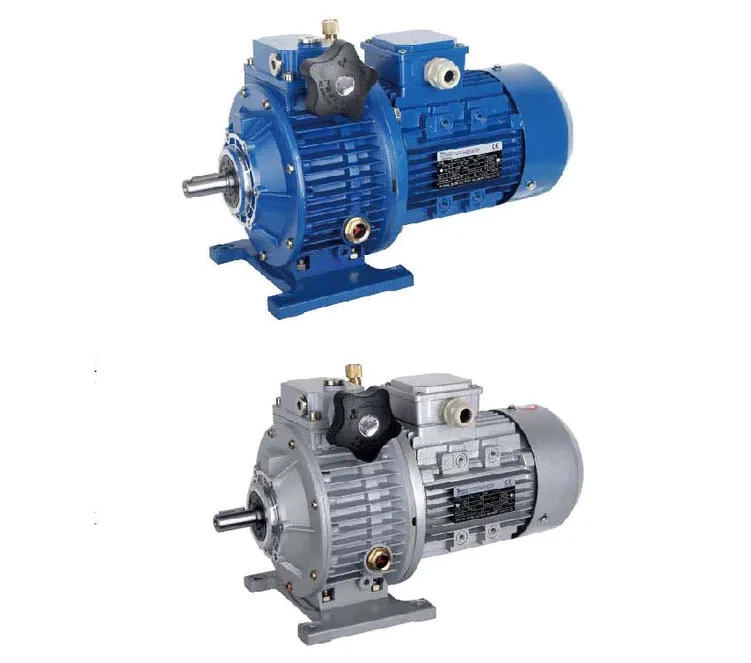
Electric motors and stepless speed variators go hand in hand. Without a reliable electric motor, the stepless speed variator cannot function properly. At Ever Power, we not only provide high-quality stepless speed variators, but we also offer a range of electric motors that are compatible with our variators. Our motors are designed to work seamlessly with our variators, ensuring optimal performance and efficiency.
Explore our products and contact us today to learn more about how we can help you find the right solution for your application.
Worm Gearbox Factory
Q&A
Q: What is a stepless speed variator?
A: A stepless speed variator is a type of speed control device that allows for continuous adjustment of speed within a specific range. It is commonly used in various applications that require precise speed control.
Q: What is the difference between a stepless speed variator and a variable frequency drive?
A: A stepless speed variator is a mechanical device that controls the speed of an electric motor by adjusting the speed of the input shaft. A variable frequency drive, on the other hand, is an electronic device that adjusts the frequency and voltage supplied to the motor to control its speed.
Q: What are the benefits of using a stepless speed variator?
A: Stepless speed variators offer several benefits, including precise speed control, high efficiency, and reduced energy consumption. They also have a smaller footprint and lower maintenance requirements compared to other types of speed control devices.
Edited by: Zqq.