Introduction
H class mill chains are widely used in the paper, lumber, and construction industries. These chains are designed to handle a heavy load and operate in harsh environments. Proper maintenance is crucial to ensure the longevity and efficiency of H class mill chains. In this article, we will discuss the common maintenance intervals for H class mill chains.
Inspection
Regular inspection is necessary to identify any wear and tear of the chain components. Inspection should be done every three months. During the inspection, check for any signs of elongation, corrosion, or damage to the chain links. Also, check for any worn-out sprockets that can damage the chain. If any issues are found, they should be addressed immediately to prevent further damage.
Lubrication
Lubrication is essential to reduce friction and wear of the chain components. The frequency of lubrication depends on the operating conditions of the machine. It is recommended to lubricate the chains every 50 hours of operation or every four weeks. Use high-quality lubricants that are compatible with the machine and operating conditions. Proper lubrication will help extend the life of the chain.
Tension Adjustment
H class mill chains require proper tension to prevent excessive wear and elongation. Tension adjustment should be done every six months or after every 500 hours of operation. To adjust the tension, loosen the bolts on the chain tensioner and move it to the desired position. Then, tighten the bolts to secure the tensioner in place.
Cleaning
Cleaning is necessary to remove any debris or dirt that can cause damage to the chain components. Clean the chains every month or every 100 hours of operation. Use a high-pressure washer or a wire brush to remove any dirt or debris. After cleaning, apply lubricant to the chains to prevent corrosion.
Chain Replacement
H class mill chains have a limited lifespan and will eventually need to be replaced. The lifespan of the chain depends on the operating conditions and maintenance practices. However, it is recommended to replace the chains every two to three years.
Importance of Sprockets for H Class Mill Chains
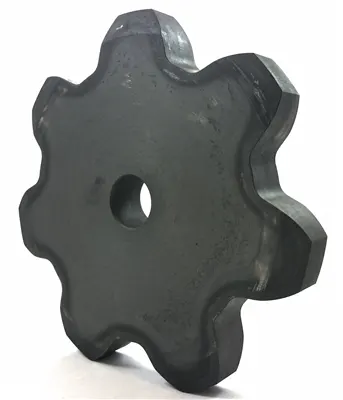
Sprockets are an essential component of H class mill chains. They are responsible for transmitting power and motion from the machine to the chain. Proper sprocket selection and maintenance are crucial to ensure the longevity and efficiency of the chain. We offer a wide range of high-quality sprockets that are compatible with H class mill chains. Our sprockets are designed to withstand heavy loads and harsh environments. Partnering our H class mill chains with our sprockets will provide optimal performance, productivity, and longevity. Contact us today to explore our products and services.
Malleable Casting Chains
Renowned for the exceptional quality, our malleable cast iron chains undergo stringent manufacturing processes, ensuring durability and reliability in diverse industrial applications. Our malleable cast iron construction provides robustness while maintaining flexibility, offering a balance between strength and adaptability. We remain price competitive without compromising on quality. The company’s commitment to providing cost-effective solutions makes our malleable chains a prudent choice for businesses seeking both value and performance. Moreover, we are dedicated to exceptional service. Our customer-centric approach involves timely delivery, reliable support, and a responsive team ready to assist at every stage. From product inquiries to after-sales service, we prioritize customer satisfaction, fostering long-term partnerships built on trust and reliability. Our malleable casting chains stand out for our quality craftsmanship, competitive pricing, and unwavering commitment to superior service, making them a trusted choice in the industrial chain market.

Q&A
Q: Can H class mill chains be repaired?
A: It is not recommended to repair H class mill chains. Any damage to the chain links or components can compromise the integrity of the entire chain. It is best to replace the chain with a new one.
Q: How do I know if the sprockets need to be replaced?
A: Signs of wear or damage on the sprocket teeth indicate the need for replacement. Also, if the chain is skipping or making noise during operation, it could be a sign that the sprockets need to be replaced.
Q: Are lubricants with high viscosity suitable for H class mill chains?
A: No, lubricants with high viscosity can cause drag and increase wear on the chain components. Use lubricants that are recommended by the chain manufacturer and are compatible with the operating conditions of the machine.
Sprockets for H Class Mill Chains
In conclusion, proper maintenance is crucial to ensure the longevity and efficiency of H class mill chains. Regular inspection, lubrication, tension adjustment, and cleaning are necessary to prevent damage to the chain components. Sprockets are an essential component of the chain and must be selected and maintained properly to ensure optimal performance. We offer a wide range of high-quality sprockets that are compatible with H class mill chains. Partnering our H class mill chains with our sprockets will provide optimal performance, productivity, and longevity. Contact us today to explore our products and services.
Edited by Zqq.