Fault 1: Overheating of the Worm Reducer
Overheating is a common failure in WP Series Cast Iron Worm Reducers. It occurs when the gearbox is subjected to excessive heat, which can be caused by various factors such as insufficient lubrication, high ambient temperatures, or excessive load. This can lead to a breakdown of the lubricating oil and accelerated wear and tear of the gearbox components. In severe cases, the overheating can cause the gearbox to seize, resulting in a complete failure of the system.
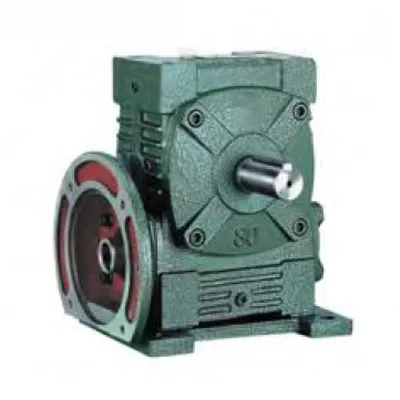
Fault 2: Gear Tooth Wear
Gear tooth wear is another common failure in WP Series Cast Iron Worm Reducers. It occurs when there is excessive friction and movement between the gear teeth, leading to a gradual loss of material from the tooth surfaces. This can be caused by factors such as inadequate lubrication, improper alignment, or excessive load. Gear tooth wear can result in a loss of efficiency and power transmission, as well as increased noise and vibration.
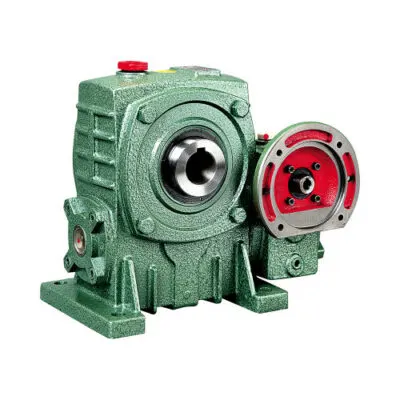
Fault 3: Bearing Failure
Bearing failure is a critical failure in WP Series Cast Iron Worm Reducers. It occurs when the bearings that support the rotating shafts within the gearbox become worn or damaged. This can be due to factors such as inadequate lubrication, contamination, or excessive load. Bearing failure can result in increased friction, overheating, and ultimately, the complete breakdown of the gearbox.
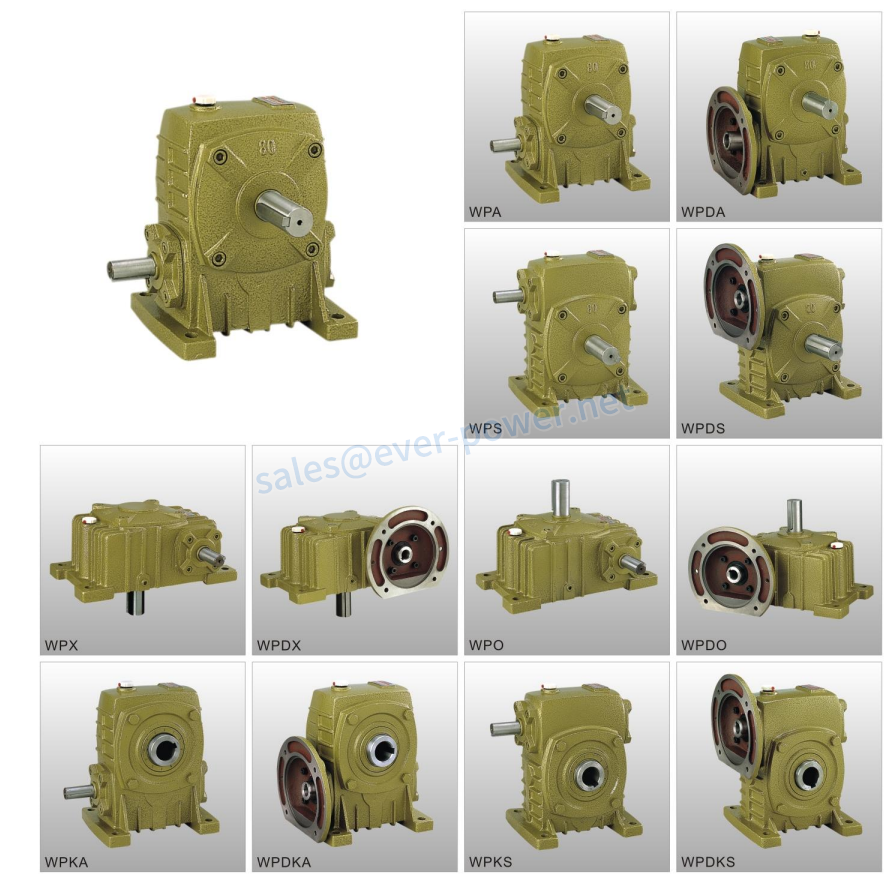
Fault 4: Oil Leakage
Oil leakage is another common failure in WP Series Cast Iron Worm Reducers. It occurs when there is a loss of oil from the gearbox, either through seals, gaskets, or other openings. This can be caused by factors such as worn or damaged seals, improper installation, or excessive pressure. Oil leakage can result in a loss of lubrication, increased friction, and accelerated wear and tear of the gearbox components.
Fault 5: Shaft Misalignment
Shaft misalignment is a common failure in WP Series Cast Iron Worm Reducers. It occurs when the shafts within the gearbox are not properly aligned, resulting in excessive forces and stress on the gearbox components. This can be caused by factors such as improper installation, excessive load, or wear and tear of the shaft bearings. Shaft misalignment can result in increased noise, vibration, and premature failure of the gearbox.
Fault 6: Input Shaft Breakage
Input shaft breakage is a critical failure in WP Series Cast Iron Worm Reducers. It occurs when the input shaft, which connects the gearbox to the driving motor, becomes fractured or damaged. This can be caused by factors such as excessive load, misalignment, or manufacturing defects. Input shaft breakage can result in a complete loss of power transmission and the need for a replacement gearbox.
Fault 7: Gearbox Seizure
Gearbox seizure is a critical failure in WP Series Cast Iron Worm Reducers. It occurs when the gearbox becomes locked or immovable due to excessive friction, wear, or damage. This can be caused by factors such as inadequate lubrication, contamination, or excessive load. Gearbox seizure can result in a complete breakdown of the system and the need for a replacement gearbox.
Fault 8: Abnormal Noise and Vibration
Abnormal noise and vibration are common failures in WP Series Cast Iron Worm Reducers. They occur when there is excessive friction, misalignment, or wear within the gearbox. This can result in increased noise levels and vibration, indicating potential issues with the gearbox components. Abnormal noise and vibration should be addressed promptly to prevent further damage or failure of the system.
Fault 9: Insufficient Lubrication
Insufficient lubrication is a common failure in WP Series Cast Iron Worm Reducers. It occurs when there is a lack of proper lubrication to the gearbox components, leading to increased friction, wear, and heat generation. This can be caused by factors such as inadequate oil levels, improper oil viscosity, or failure to perform regular maintenance. Insufficient lubrication can result in accelerated wear and tear of the gearbox and ultimately, system failure.
Fault 10: Improper Installation
Improper installation is a common failure in WP Series Cast Iron Worm Reducers. It occurs when the gearbox is not installed correctly, leading to misalignment, excessive forces, or inadequate support. This can result in increased stress on the gearbox components, reduced efficiency, and premature failure. Proper installation procedures should be followed to ensure optimal performance and longevity of the gearbox.
Fault 11: Load Overcapacity
Load overcapacity is another common failure in WP Series Cast Iron Worm Reducers. It occurs when the gearbox is subjected to loads that exceed its rated capacity. This can result in increased stress, wear, and heat generation within the gearbox, leading to premature failure. It is important to ensure that the gearbox is properly sized and selected based on the application requirements to avoid load overcapacity.
Fault 12: Contamination
Contamination is a common failure in WP Series Cast Iron Worm Reducers. It occurs when foreign particles, such as dirt, dust, or debris, enter the gearbox and contaminate the lubricating oil. This can lead to increased friction, wear, and damage to the gearbox components. Contamination should be prevented through proper sealing, regular maintenance, and the use of suitable filtration systems.
Fault 13: Electric motors for Sale
The relationship between gearboxes and electric motors is symbiotic, with each relying on the other for optimal performance. Gearboxes serve as the interface between the motor and the driven equipment, transforming the high-speed, low-torque output of the motor into the desired low-speed, high-torque output. This torque multiplication provided by the gearbox enables the motor to operate efficiently and effectively in various applications.
At Ever-power, we offer a range of electric motors for sale that are designed to complement our cast iron worm reducers. Our motors are specifically selected and tested to ensure compatibility and optimal performance when paired with our gearboxes. The combination of our high-quality gearboxes and electric motors ensures reliable power transmission and efficient operation in diverse industrial applications.

About Ever-power
We are a comprehensive transmission equipment manufacturer integrating research and development, manufacturing, and sales of speed reducers. With over 15 years of experience, we specialize in designing and producing high-quality gearboxes for various industries. Our products have gained a solid reputation in Europe and America, and we are proud to serve customers worldwide.
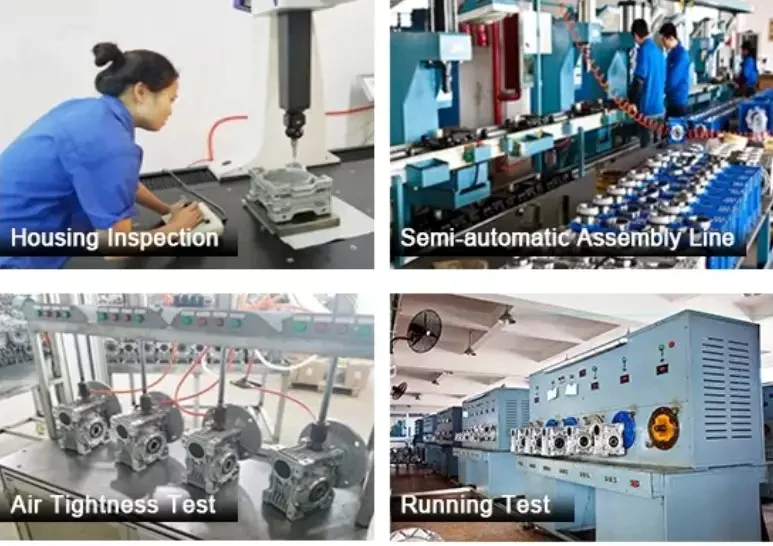
At Ever-power, we prioritize customer satisfaction and strive to provide the best products and services in the market. We have invested in advanced production equipment and testing facilities, allowing us to maintain strict quality control throughout the manufacturing process. Our team of industry professionals and technicians ensures continuous innovation and improvement in our gearbox designs.
Our gearboxes are widely used in industries such as equipment manufacturing, food processing, car washing, packaging, automation, and solar energy. We have established long-term partnerships with major clients in various sectors, who trust us for our superior quality, competitive prices, and exceptional customer service.
Explore our range of cast iron worm reducers and electric motors, and contact us today for all your transmission equipment needs.
Q&A
Q: How can I prevent overheating of the WP Series Cast Iron Worm Reducers?
A: To prevent overheating, it is crucial to ensure proper lubrication by using high-quality oil and performing regular maintenance. Additionally, avoid overloading the gearbox and monitor ambient temperatures to prevent excessive heat buildup.
Q: What steps can be taken to reduce gear tooth wear in WP Series Cast Iron Worm Reducers?
A: Proper lubrication, correct alignment, and load distribution can help reduce gear tooth wear. Regular inspection and maintenance of the gearbox are also essential to identify and address any signs of wear or damage.
Q: How often should the bearings in WP Series Cast Iron Worm Reducers be inspected and replaced?
A: Bearing inspection and replacement should be performed as part of regular gearbox maintenance. The frequency of inspection and replacement will depend on factors such as operating conditions, load, and lubrication quality. Consult the manufacturer’s guidelines for specific recommendations.
Edited by: Zqq.