What are the best practices for gear shaft storage to prevent corrosion?
Introduction
Gear shafts are crucial components in various mechanical systems. Proper storage is essential to prevent corrosion and ensure their optimal performance. This article will discuss the best practices for gear shaft storage, highlighting key considerations and techniques.
1. Clean and Inspect the Gear Shafts
Before storage, it is important to thoroughly clean and inspect the gear shafts. Remove any dirt, debris, or residual lubricants using appropriate cleaning agents. Inspect the shafts for signs of wear or damage that might require attention before storage.
2. Apply Anti-Corrosion Coatings
Applying anti-corrosion coatings is crucial for preventing rust and corrosion during storage. Consider using coatings such as zinc plating, phosphate coatings, or specialized corrosion inhibitors. These coatings provide a protective barrier against moisture and atmospheric contaminants.
3. Implement Proper Packaging
Proper packaging is essential to protect gear shafts during storage. Each shaft should be individually wrapped in a moisture-resistant material, such as VCI (Volatile Corrosion Inhibitor) paper or plastic bags. This prevents direct contact with moisture, which can accelerate corrosion.
4. Store in a Controlled Environment
Choosing the right storage environment is critical. Ideally, the storage area should be clean, dry, and well-ventilated. Temperature and humidity levels should be controlled to prevent condensation, which can lead to corrosion. Consider using dehumidifiers or desiccant packets to maintain optimal conditions.
5. Avoid Direct Contact with Concrete or Metal
Direct contact with concrete or metal surfaces can promote corrosion. To prevent this, store gear shafts on pallets or racks made of non-corrosive materials such as plastic or wood. This ensures there is no direct contact with potentially corrosive surfaces.
6. Regular Inspection and Maintenance
During storage, it is essential to periodically inspect and maintain the gear shafts. Check for any signs of corrosion or damage. If necessary, reapply anti-corrosion coatings and replace packaging materials to ensure continued protection.
7. Implement a First-In-First-Out (FIFO) System
To prevent long-term storage and potential degradation, implement a first-in-first-out (FIFO) system. This ensures that older gear shafts are used or rotated first, reducing the chances of prolonged storage and corrosion risks.
8. Consider Using Vapor Phase Corrosion Inhibitors (VpCI)
Vapor Phase Corrosion Inhibitors (VpCI) provide an additional protective measure during gear shaft storage. These inhibitors release molecules that form a thin, protective layer on the metal surface, preventing corrosion. VpCI can be applied via packaging materials or specialized emitters.
Conclusion
Proper gear shaft storage practices are crucial to prevent corrosion and maintain optimal performance. By following the best practices discussed in this article, such as thorough cleaning, applying anti-corrosion coatings, implementing proper packaging, and ensuring a controlled environment, you can ensure the longevity and reliability of gear shafts. Regular inspection, maintenance, and the use of additional protective measures like VpCI further enhance the protection against corrosion. Implementing these practices will help extend the lifespan and functionality of gear shafts in various mechanical systems.
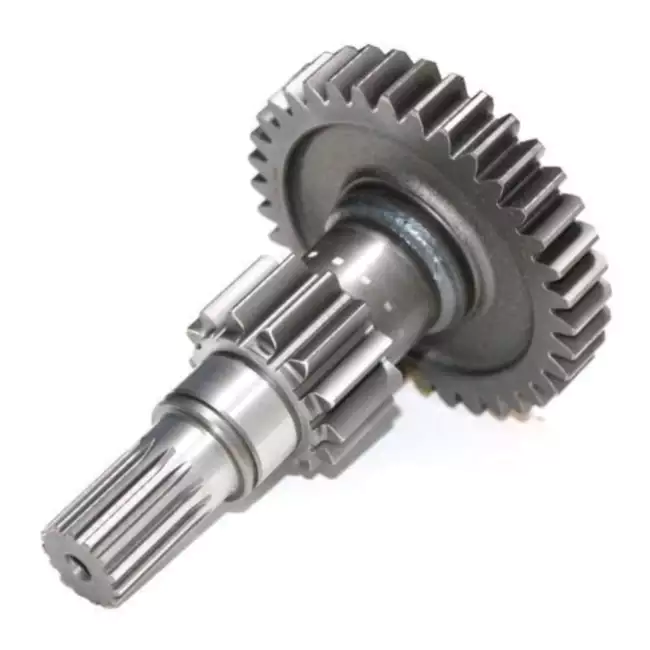
Our company specializes in the production and sale of various types of gears and gear shafts. With years of experience in the industry, we have established ourselves as a leading provider in the market. Here are five key advantages of choosing our company:
- High-Quality Products: We pride ourselves on delivering gears and gear shafts of the highest quality. Our products undergo rigorous testing and quality control measures to ensure durability and reliability.
- Customization Options: We understand that each customer has unique requirements. Therefore, we offer a wide range of customization options for gear shafts, allowing you to find the perfect solution for your specific needs.
- Expertise and Knowledge: Our team consists of highly skilled professionals with extensive knowledge in gear and gear shaft manufacturing. We are committed to providing expert advice and guidance to help you make informed decisions.
- Timely Delivery: We value our customers’ time and strive to deliver orders promptly. With efficient production processes and a streamlined supply chain, we ensure that your gear shafts are delivered on time, every time.
- Exceptional Customer Service: Our commitment to customer satisfaction is unwavering. We provide excellent customer service, addressing any concerns or queries promptly and ensuring a smooth and pleasant experience.

The Importance of Gear Shafts
Gear shafts play a crucial role in mechanical transmission systems. They are responsible for transmitting torque from one component to another, ensuring smooth operation and efficient power transfer. Without properly functioning gear shafts, the performance of the entire system can be compromised.
Materials and Selection Criteria for Gear Shafts
When it comes to selecting the materials for gear shafts, several factors need to be considered. These include:
- Strength and Durability: Gear shafts must be able to withstand high loads and resist wear, making materials with excellent strength and durability essential.
- Machinability: The chosen material should be easily machinable to achieve precise dimensions and smooth surface finishes.
- Corrosion Resistance: Gear shafts may be exposed to harsh environmental conditions, requiring materials that exhibit good corrosion resistance to prevent degradation.
In addition to material selection, attention should be given to design considerations such as proper sizing, tooth profile optimization, and heat treatment to enhance the performance and longevity of gear shafts.
Our Gear Shaft Manufacturing Process
At our company, we employ various manufacturing processes to ensure the production of high-quality gear shafts:
- Cutting Processes: We utilize turning, milling, and grinding techniques to achieve precise dimensions and smooth surface finishes.
- Heat Treatment: Gear shafts undergo heat treatment processes such as quenching, tempering, and carburizing to enhance hardness and strength.
- Specialized Processes: We also offer specialized processes like gear hobbing and shaving to ensure accurate tooth profiles and optimal gear performance.
Applications and Failure Analysis of Gear Shafts
Gear shafts find extensive applications in various industries, including automotive, aerospace, and industrial machinery. However, like any mechanical component, gear shafts can experience failures due to factors such as excessive loads, inadequate lubrication, or manufacturing defects. It is crucial to conduct regular inspections and maintenance to identify and address potential issues before they lead to costly breakdowns.
Partnering with us means gaining access to our expertise, high-quality products, and exceptional service. We are dedicated to meeting your gear shaft needs and ensuring your satisfaction. Contact us today to discuss how we can collaborate and provide you with the best gear shaft solutions for your business.
Author: Miya