What are the Benefits of Using Gear Racks in Robotics?
Robotics has been an essential part of industrial automation, and gear racks have become crucial elements in the field. Gear racks are long, metal strips with teeth that engage with gear wheels. They provide linear motion in robotics and are used in various types of actuators. This article explores the benefits of using gear racks in robotics and their applications.
Gear Rack for Rack Actuator: Components and Materials
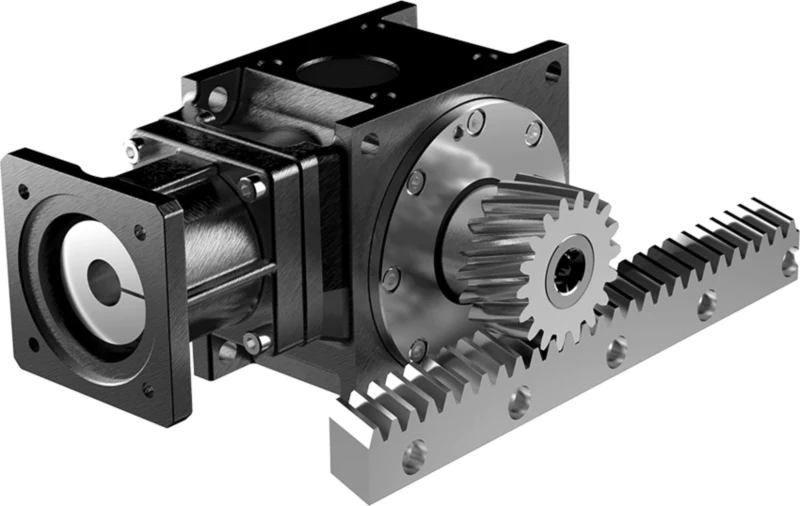
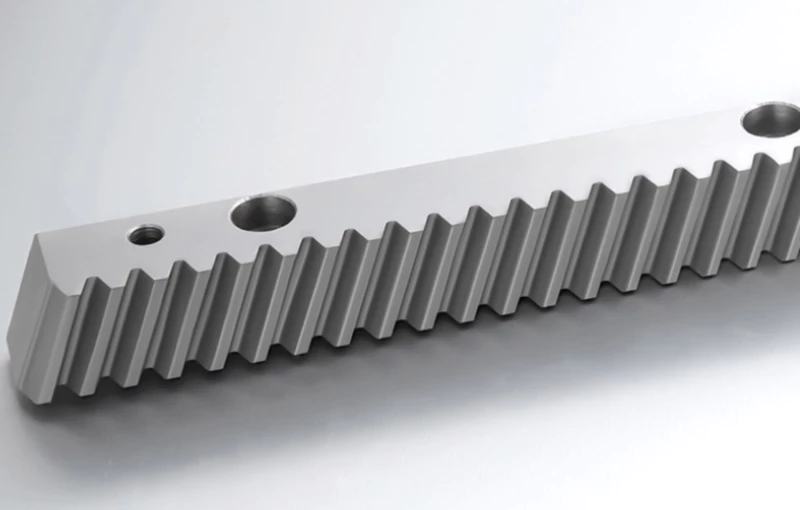
Gear racks for rack actuators consist of a long metal strip with teeth that mesh with gear wheels. The ends of gear racks are usually machined flat or chamfered for easy mounting and fixing. Gear racks also have several mounting holes for fixing them to an actuator. The materials used to make gear racks for rack actuators are steel, stainless steel, and aluminum. Steel is the most commonly used material owing to its high strength and load-bearing capacity. Stainless steel is suitable for use in harsh environments due to its corrosion-resistant properties. Aluminum is often used for lightweight applications.
Manufacturing Processes for Gear Rack for Rack Actuator
The manufacturing process for gear racks for rack actuators includes cutting, milling, heat treatment, and surface treatment. First, the metal rods are cut into the desired length. Then, the teeth are milled onto the gear racks. Heat treatment is used to improve the strength and hardness of the gear racks. Finally, surface treatments like coating or plating are applied to protect the gear racks against corrosion.

Benefits of Using Gear Racks in Robotics
1. High Precision
Gear racks offer high precision in linear motion, making them ideal for use in robotics. They provide accurate positioning and motion control, ensuring smooth and reliable movement of robotic components.
2. Load Capacity
Gear racks have a high load-bearing capacity, making them suitable for use in heavy-duty applications. They can handle high loads and distribute them evenly, ensuring the stability and durability of the robotic system.
3. Durability
Gear racks are made of durable materials that can withstand harsh environments and extreme temperatures. They are built to last and require minimal maintenance, making them a cost-effective solution for industrial automation.
4. Efficiency
Gear racks provide efficient linear motion, minimizing energy consumption and reducing wear and tear on robotic components. They offer a smooth and consistent motion that improves the overall efficiency of the robotic system.
5. Versatility
Gear racks are versatile and can be used in various types of actuators, making them suitable for a wide range of robotic applications. They are compatible with different gear wheels, allowing for customization and flexibility in design.
6. Low Maintenance
Gear racks do not require frequent maintenance, and their long lifespan reduces the need for replacements. This makes them a low-maintenance solution for industrial automation, saving time and money in the long run.
Applications of Gear Racks in Robotics
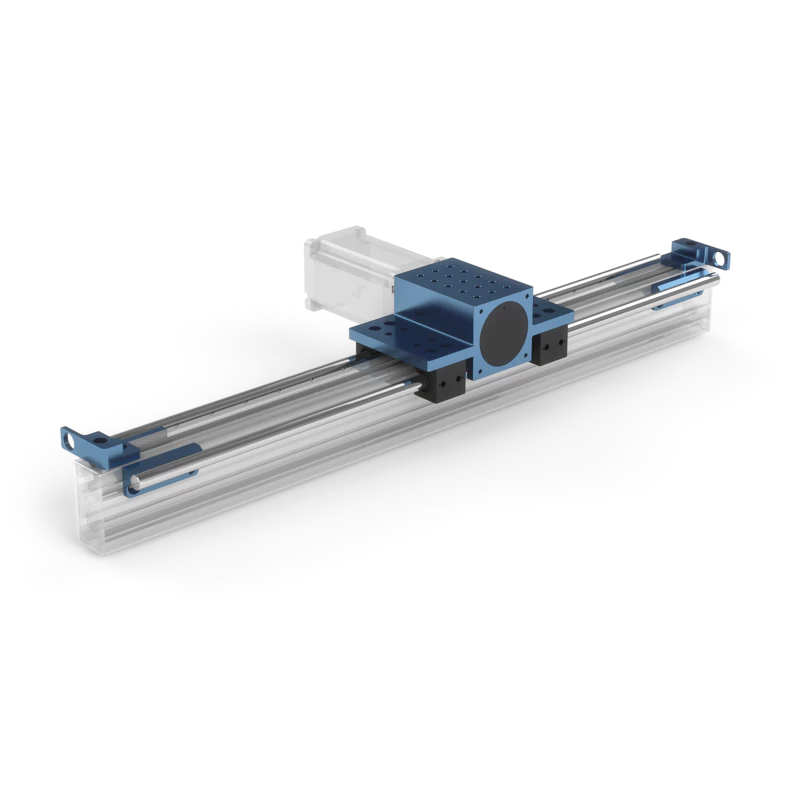
Gear racks for rack actuators are widely used in industrial automation, specifically in controlling valves, gates, and dampers. They are commonly used in the following industries:
1. Petrochemical
Gear racks are used in the petrochemical industry for controlling valves, ensuring the efficient and safe transfer of chemicals and gases.
2. Power Generation
Gear racks are used in power generation plants for controlling valves and gates, ensuring the smooth and reliable operation of power generation systems.
3. Metallurgy
Gear racks are used in the metallurgy industry for controlling dampers and valves, ensuring the efficient and safe operation of metallurgical processes.
4. Mining
Gear racks are used in the mining industry for controlling valves and gates, ensuring the efficient and safe extraction of minerals.
5. Water Treatment
Gear racks are used in water treatment plants for controlling valves and gates, ensuring the efficient and safe treatment of water.

Factors to Consider When Choosing Gear Racks for Rack Actuators
When choosing gear racks for rack actuators, several factors should be considered:
1. Material Selection
The material used to make gear racks should be suitable for the application’s environment and load requirements.
2. Load Requirements
The gear racks should be able to handle the load requirements of the application to ensure stability and durability.
3. Precision Needs
The gear racks should provide the required precision and accuracy for the application to ensure smooth and reliable operation.
4. Size and Length
The gear racks should be the appropriate size and length for the application to ensure compatibility and optimal performance.
5. Environment
The gear racks should be able to withstand the application’s environment, including temperature, humidity, and corrosive substances.
6. Compatibility
The gear racks should be compatible with the gear wheels used in the application to ensure efficiency and reliability.
7. Supplier Reputation
The supplier of the gear racks should have a good reputation for quality and reliability, ensuring the best possible performance and lifespan of the gear racks.
Installation and Maintenance of Gear Racks for Rack Actuators
Installation
The installation of gear racks for rack actuators should follow the following procedures:
1. Alignment
The gear rack should be aligned with the gear wheel to ensure smooth and reliable operation.
2. Secure Mounting
The gear rack should be securely mounted to the actuator to prevent movement and ensure stability.
3. Lubrication
The gear rack should be properly lubricated to minimize wear and tear and ensure smooth operation.
4. Clearance
The gear rack should have the appropriate clearance with the gear wheel to prevent damage and ensure optimal performance.
5. Calibration
The gear rack should be calibrated to ensure precision and accuracy in operation.
Maintenance
The maintenance of gear racks for rack actuators should follow the following procedures:
1. Regular Inspection
The gear rack should be inspected regularly for wear and damage to prevent further damage and ensure optimal performance.
2. Lubrication Maintenance
The gear rack should be lubricated regularly to minimize wear and tear and ensure smooth operation.
3. Tightening
The gear rack should be checked regularly for loose screws and tightened to prevent movement and ensure stability.
4. Cleaning
The gear rack should be cleaned regularly to prevent contaminants from affecting its performance and lifespan.
5. Replacement
The gear rack should be replaced when it is worn or damaged beyond repair to ensure the optimal performance of the actuator.
About EVER POWER Company
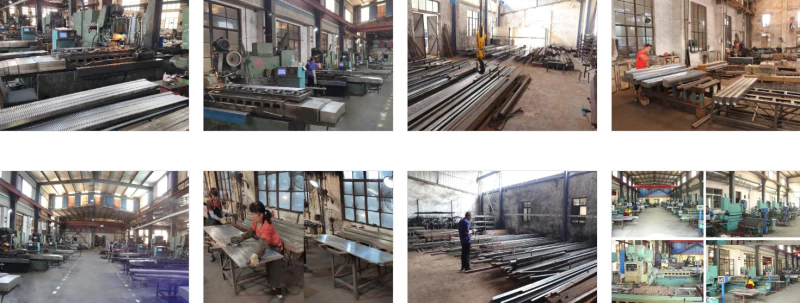
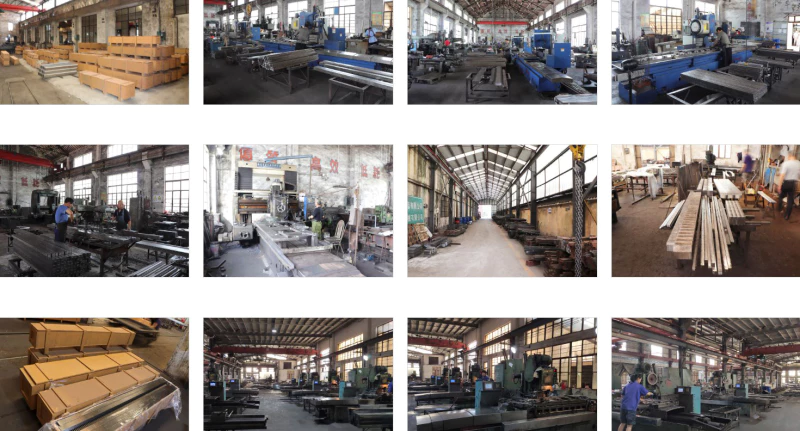
EVER POWER is a professional manufacturer of gear racks in China. The company has over 100 professional rack production and testing equipment, producing racks with lengths of up to 3000MM and modules ranging from M1 to M30, British CP, American DP, and others. EVER POWER has introduced rack milling machines and rack grinding machines imported from Germany for high-end customers who demand high-precision racks. The precision of the racks produced by this equipment can reach JIS2 level DIN6n25 to meet various needs of the high-end market.
EVER POWER offers excellent products, affordable prices, and good service attitude. Its products are exported to different countries such as Spain, the Netherlands, the United States, South Korea, Turkey, and Russia. EVER POWER also offers other rack products such as Gear Rack For Door Opener, Gear Rack For Elevator, Rack and Pinion Steering, Metric Gear Rack, etc. Customers are welcome to inquire about customized products.
EVER POWER adheres to the principles of quality first, timely delivery, and credit first. It treats every business partner sincerely and wholeheartedly welcomes friends from the business community to cooperate with us to develop together and create brilliance.