What are the benefits of using forged spiral bevel gears as opposed to cast ones?
Introduction
Forged spiral bevel gears have distinct advantages over their cast counterparts. In this article, we will explore the various benefits of using forged spiral bevel gears and understand why they are preferred in many industries. From improved strength and durability to enhanced performance, forged gears offer a range of advantages that make them a superior choice. Let’s delve into the details and discover the advantages of using forged spiral bevel gears in comparison to cast ones.
1. Enhanced Strength and Durability
Forged spiral bevel gears exhibit superior strength and durability compared to cast gears. The forging process involves shaping and compressing the metal, resulting in a denser and more compact structure. This increased density enhances the gear’s load-carrying capacity and resistance to wear and fatigue. The forged gears have a higher surface hardness, making them less prone to damage and extending their lifespan.
2. Improved Precision and Accuracy
Forging allows for better control over the gear’s dimensions and tolerances, resulting in increased precision and accuracy. The reduction in size variations and closer adherence to design specifications ensure smoother and more efficient gear operation. This precision plays a crucial role in applications where precise gear meshing is vital to overall system performance.
3. Enhanced Performance at High Loads and Speeds
The inherent strength and durability of forged spiral bevel gears make them ideal for applications involving high loads and speeds. The forged gears can handle heavy-duty operations with minimal deformation or failure. This reliability ensures consistent performance, reduced downtime, and increased productivity in demanding industrial environments.
4. Optimal Tooth Geometry
The forging process allows for precise control over the tooth geometry of spiral bevel gears. This optimization ensures smooth and efficient power transmission, minimizing friction losses and improving overall gear efficiency. The accurate tooth profiles provide excellent contact ratios and reduce noise and vibration, resulting in quieter operation and improved gear performance.
5. Resistance to Heat and Corrosion
Forged spiral bevel gears exhibit excellent resistance to heat and corrosion, making them suitable for challenging operating conditions. The forging process aligns the grain structure, enhancing the gear’s ability to withstand extreme temperatures and harsh environments. Additionally, forged gears can be further treated with surface coatings or heat treatments to enhance their resistance to corrosion, extending their service life even in corrosive surroundings.
6. Versatility in Design and Customization
Forging allows for greater design flexibility and customization options for spiral bevel gears. Complex gear geometries, unique tooth profiles, and specific material requirements can be easily achieved through the forging process. This versatility ensures that forged gears can be tailored to meet the specific needs of various applications, resulting in optimal performance and efficiency.
7. Conclusion
In conclusion, the benefits of using forged spiral bevel gears over cast ones are undeniable. Their enhanced strength, improved precision, and durability make them the preferred choice in industries that demand high-performance gear systems. The ability to withstand heavy loads, optimal tooth geometry, and resistance to heat and corrosion further solidify the advantages of forged gears. At [Your Gear Manufacturing Factory], we specialize in producing high-quality forged gears that meet the rigorous demands of modern industries. With our advanced manufacturing processes and expertise, we ensure that our gears exhibit the superior qualities discussed above. Partner with us to experience the benefits of using forged spiral bevel gears in your applications.
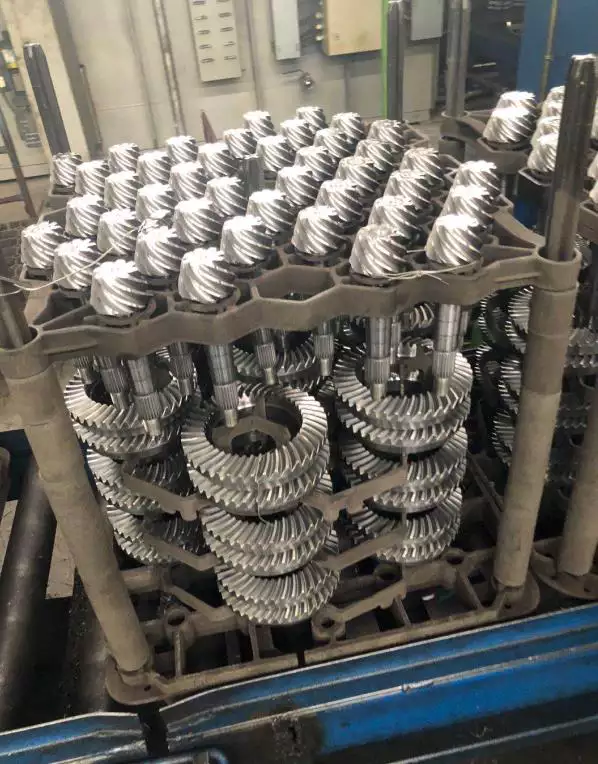
Our Gear Manufacturing Process
1. Raw Material Preparation: The gears start with a selection of high-quality materials, which undergo forging and heat treatment processes.
2. Rough Machining: The gears are then subjected to turning, drilling, and boring operations to achieve the desired shape and size.
3. Forming Process: Gear teeth are formed through processes such as gear hobbing, gear shaping, and gear shaving.
4. Semi-Precision Machining: Chamfering, keyway milling, and deburring operations are conducted to prepare the gears for further processing.
5. Heat Treatment: The gears undergo processes like carburizing, nitriding or quenching and tempering to enhance their hardness and toughness.
6. Precision Machining: Gear grinding and honing operations ensure precise tooth profiles and surface finishes.
7. Inspection and Acceptance: The gears undergo rigorous testing and inspection to ensure their adherence to quality standards. Surface treatments are applied based on specific requirements.
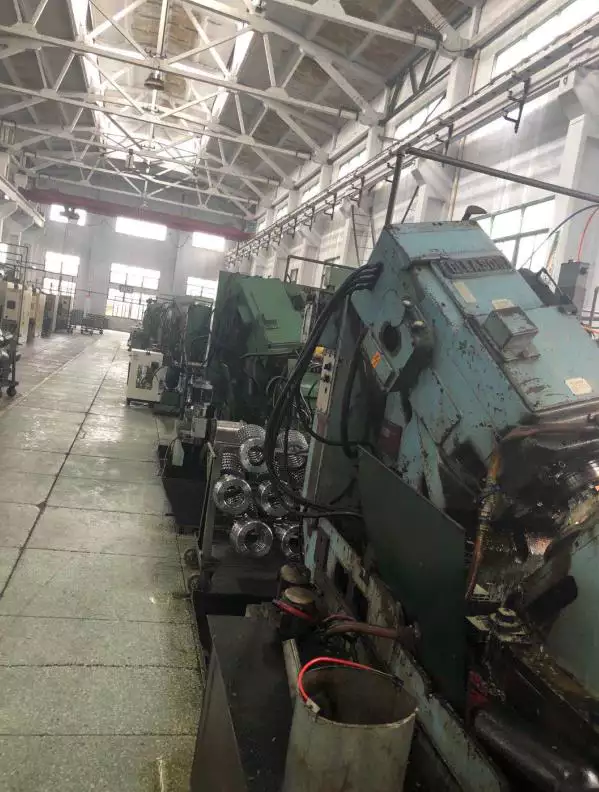
At [Your Gear Manufacturing Factory], we pride ourselves on delivering high-quality gears that surpass customer expectations. Our state-of-the-art facilities, skilled workforce, and stringent quality control processes enable us to manufacture gears with exceptional precision and performance. With a wide range of customization options, we can tailor gears to meet your unique requirements. Our commitment to excellence and customer satisfaction makes us the ideal partner for all your gear needs.
Author: Miya