V Groove Pulley: An In-Depth Exploration
Introduction to V Groove Pulleys
V groove pulleys, integral components in mechanical systems, are designed to transmit power between axially aligned shafts. They employ a V-shaped groove that ensures the belt stays in the groove without slipping. This design enhances efficiency and performance.
Functionality of V Groove Pulleys
The primary function of a V groove pulley is to transfer rotational motion and power from one shaft to another. The V-shaped groove improves the grip of the belt, preventing it from slipping off during operation, thus ensuring maximum torque transmission.
Material Composition
V groove pulleys are manufactured from various materials, including cast iron, steel, aluminum, and composite materials. The choice of material depends on the application requirements, such as strength, durability, and weight considerations.
Applications of V Groove Pulleys
These pulleys find applications in diverse industries, including automotive, agriculture, manufacturing, and HVAC systems. They are crucial in any context where precise and efficient power transmission is required.
Advantages of Using V Groove Pulleys
V groove pulleys offer several advantages, including increased power transmission efficiency, reduced slippage, and enhanced durability. They are also relatively easy to install and maintain.
Types of V Groove Pulleys
There are various types of V groove pulleys, including single groove, double groove, and variable speed pulleys. Each type caters to different power transmission needs and application requirements.
Design Considerations
When designing a V groove pulley system, factors such as groove angle, belt profile, and pulley diameter must be considered. These factors influence the efficiency and performance of the pulley system.
Maintenance Tips
Regular inspection and maintenance of V groove pulleys are essential for prolonged service life. It involves checking for wear and tear, ensuring proper alignment, and lubricating the bearings as needed.
Installation Guidelines
Proper installation of V groove pulleys is crucial for optimal performance. This includes aligning the pulleys correctly, ensuring the belt tension is appropriate, and securing the pulleys firmly to the shafts.
Common Issues and Troubleshooting
Common issues with V groove pulleys include belt slippage, misalignment, and wear. Troubleshooting involves identifying the root cause, such as worn-out belts or misaligned pulleys, and addressing it accordingly.
Enhancing Efficiency
To enhance the efficiency of V groove pulleys, it’s essential to choose the right belt type, maintain proper tension, and ensure correct alignment. Regular maintenance also plays a significant role in maintaining efficiency.
Environmental Considerations
V groove pulleys must be designed to withstand environmental factors such as temperature variations, humidity, and exposure to chemicals. Material selection and protective coatings can mitigate these effects.
Cost-Effectiveness
V groove pulleys are cost-effective solutions for power transmission. Their durability and efficiency reduce maintenance costs and downtime, leading to long-term savings.
Innovations in V Groove Pulleys
Recent innovations in V groove pulleys include the development of composite materials that offer enhanced strength and reduced weight. Advances in manufacturing technologies have also improved the precision and performance of these pulleys.
Future Trends
The future of V groove pulleys lies in the integration of smart technologies that enable real-time monitoring of performance and predictive maintenance. This will further enhance their reliability and efficiency in various applications.
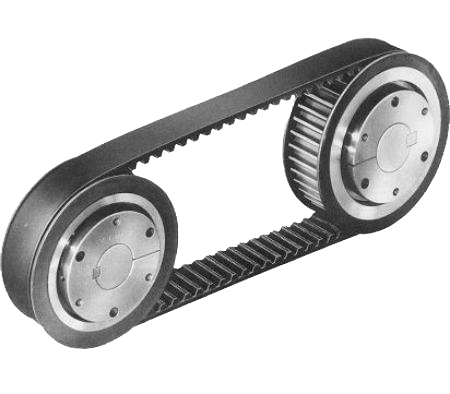
Round Belts & Pulleys
Material Properties
Round belts are usually made from flexible materials like urethane or rubber. These materials provide elasticity and resilience, allowing the belts to maintain tension and transmit power efficiently.
Applications
Round belts are commonly used in light-duty applications such as small machinery, office equipment, and consumer electronics. Their flexibility makes them ideal for systems with frequent start-stop cycles.
Advantages
One significant advantage of round belts is their ability to operate quietly and smoothly. They also offer easier installation and replacement compared to flat or V belts.
Maintenance
Maintaining round belts involves regular inspection for signs of wear, ensuring proper tension, and replacing them as needed. Lubrication is generally not required, simplifying maintenance routines.
Limitations
Round belts are not suitable for high-torque applications due to their limited grip and reduced power transmission capacity compared to V belts. They are best used in applications where precision and smooth operation are prioritized over power.
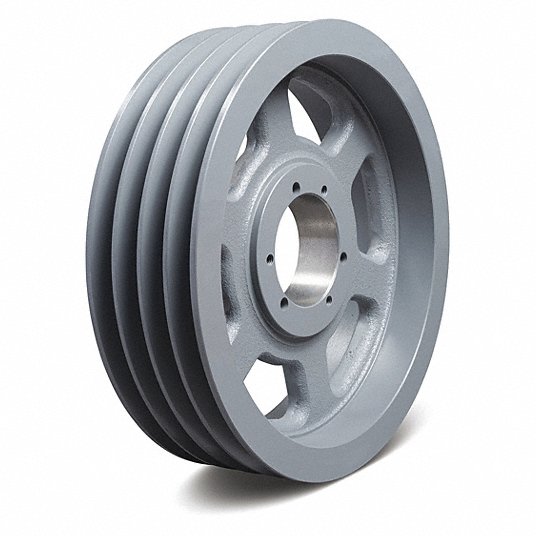
Types of V-Belt Pulleys
Single Groove Pulleys
Single groove pulleys are designed for applications requiring the transmission of power through a single belt. They are suitable for basic, single-speed systems and offer simplicity and ease of maintenance.
Double Groove Pulleys
Double groove pulleys can accommodate two belts, providing additional power transmission capacity. They are used in applications where higher torque is required or for redundancy to enhance system reliability.
Variable Speed Pulleys
Variable speed pulleys allow for adjustable speeds within a mechanical system. They provide the flexibility to vary the output speed without changing the belt or pulley, making them ideal for applications requiring speed variability.
Step Pulleys
Step pulleys feature multiple grooves of varying diameters, enabling different speed ratios. They are commonly used in lathes and milling machines where changing speeds without altering the setup is beneficial.
Flat Belt Pulleys
Though not a V-belt type, flat belt pulleys are essential for comparison. They offer a different approach to power transmission, suitable for low-torque applications where wide belts are used for efficient power transfer.

V-Belt Pulley Components
Hub
The hub is the central part of the pulley that connects to the shaft. It ensures the pulley is securely attached and transmits the rotational motion from the shaft to the belt.
Groove
The groove is the V-shaped recess in the pulley where the belt sits. It plays a crucial role in maintaining the belt’s grip and ensuring efficient power transmission by preventing slippage.
Flanges
Flanges are the raised edges on either side of the groove that help keep the belt aligned and prevent it from slipping off the pulley. They are especially important in high-speed applications.
Bore
The bore is the central hole in the pulley through which the shaft passes. It must be precisely machined to ensure a snug fit and proper alignment with the shaft.
Keyway
The keyway is a slot machined into the hub and shaft. A key fits into this slot to lock the pulley and shaft together, preventing relative motion and ensuring synchronized rotation.
Selecting or Customizing a Suitable Belt Pulley
Identify Application Requirements
Understanding the specific needs of your application is crucial. Factors like torque, speed, and environmental conditions will dictate the type and size of the pulley required.
Calculate Load and Speed
Accurate calculations of the load and speed are essential to ensure the pulley can handle the operational demands. This involves determining the power requirements and desired rotational speeds.
Choose Material
Selecting the appropriate material based on the application¡¯s demands is vital. For high-strength applications, steel or cast iron may be preferred, whereas aluminum or composite materials might be chosen for lightweight requirements.
Consider Environmental Factors
Environmental conditions such as temperature, humidity, and exposure to chemicals must be considered. Choosing materials and finishes that can withstand these conditions will ensure longevity and performance.
Consult with Experts
Engaging with experts or suppliers can provide valuable insights and recommendations. They can assist in selecting or customizing a pulley that meets all operational and environmental criteria.

HZPT: Your Partner in High-Performance Belt Pulleys
HZPT specializes in the design, development, and manufacturing of high-performance parts, as well as procurement and exporting of aftermarket automotive parts to meet all customer needs. Our products are popular in European, South American, and Australian markets, earning the trust of numerous clients. We prioritize product quality and uphold a “customer-first service” policy. With a young, dynamic, and capable team, we believe we can provide professional services to meet any of your requirements. Fast delivery is one of our strengths.
Quality Assurance
We prioritize product quality, ensuring our belt pulleys meet the highest standards. Our rigorous quality control processes guarantee reliability and durability, giving you peace of mind with every purchase.
Customer-Centric Service
Our customer-first service policy ensures that we are always focused on meeting your needs. We provide personalized solutions and support, aiming to build long-term relationships with our clients.
Fast Delivery
Speed and efficiency are crucial in today¡¯s fast-paced market. Our robust logistics network ensures quick delivery, minimizing downtime and keeping your operations running smoothly.
OEM Services
Our specialized factory in China offers OEM services, developing new products tailored to your specifications. This flexibility allows us to cater to unique requirements and provide customized solutions.
Strong Market Presence
Our extensive market presence in Europe, South America, and Australia speaks to our global reach and reputation. We have built a network of satisfied customers who trust our products and services.
We will continue striving to improve our services and provide the highest quality products at competitive prices. Any inquiries or feedback are greatly appreciated, so please feel free to contact us.