Introduction to Helical Gear
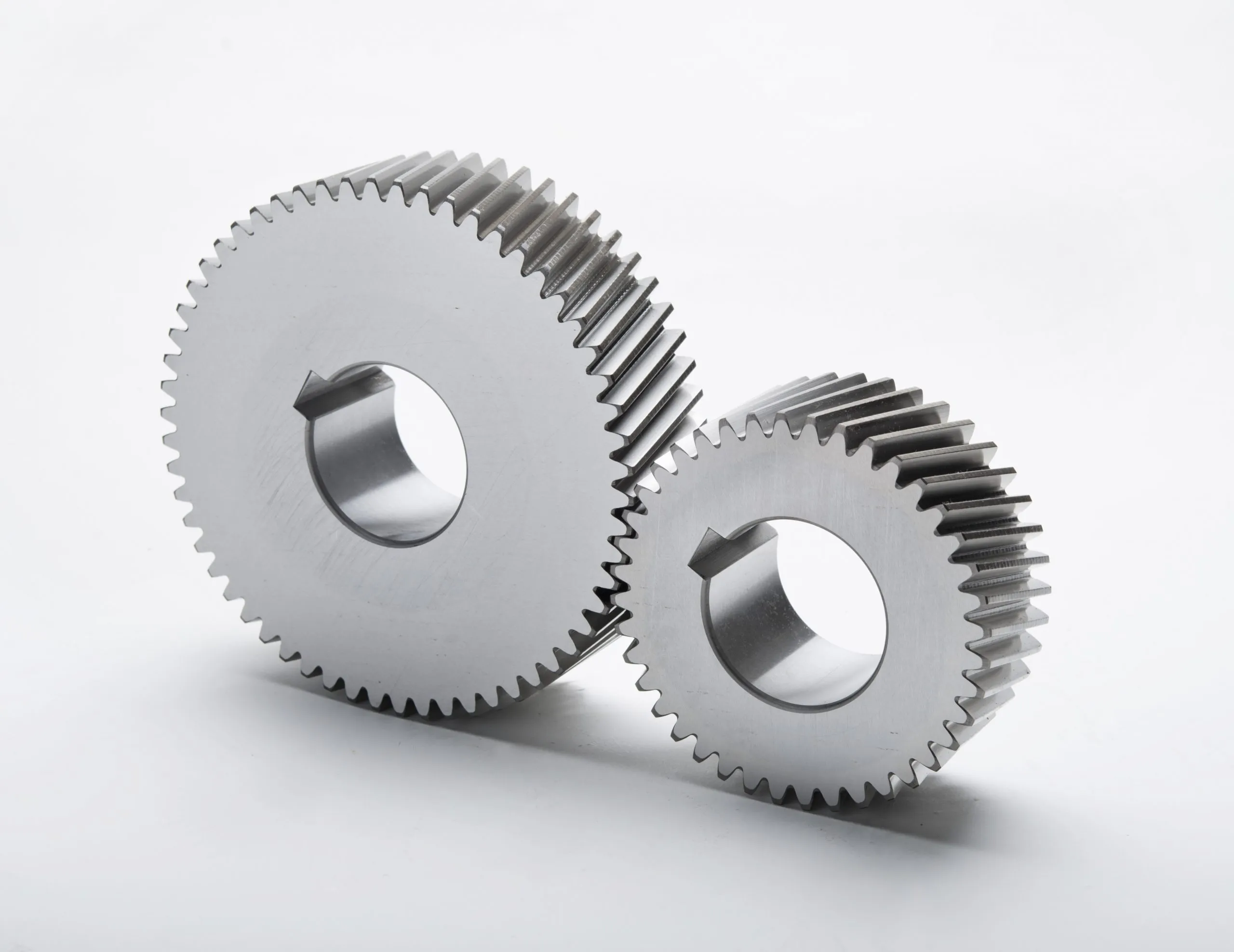
Helical gear, a key player in the world of mechanical engineering, stands out for its angled teeth and quiet operation. This gear type, commonly used in transmissions, offers smooth and continuous gear engagement. Despite its numerous advantages, it’s crucial to understand that helical gear comes with its fair share of drawbacks.
Disadvantages of Helical Gear
1. Axial Thrust
The most prominent disadvantage of helical gears is the creation of an axial thrust due to the angled contact between gear teeth. This axial thrust puts a significant load on the gear’s bearings, requiring them to be robust and able to withstand the pressure.
2. High Manufacturing Costs
Compared to spur gears, helical gears are more complex to produce, leading to higher manufacturing costs. The production process requires sophisticated machinery and skilled labor, adding to the overall expense.
3. Efficiency Loss
Due to sliding contact between the gear teeth, helical gears suffer from a certain degree of power loss. This leads to less efficiency compared to other gear types, like spur gears.
4. Increased Maintenance
The axial thrust generated by helical gears may necessitate regular maintenance, resulting in increased downtime and additional costs.
Choosing the Right Gear: Helical or Not?
When choosing the right gear, it’s essential to understand the specifics of your project. While helical gears offer smooth, quiet operation, they come with drawbacks that may impact the overall efficiency and cost of your operation.
How to Choose the Right Product?
Consider the following factors when choosing a gear:
– The load it needs to bear
– The level of noise acceptable in your operation
– Your budget for gear production and maintenance
– The required efficiency of your machinery
When and How Does It Need to be Replaced?
Helical gears need to be replaced when there’s excessive wear on the gear teeth or when the gear no longer meets efficiency standards. This wear can be identified during regular maintenance checks. Replacement should be carried out by skilled technicians to ensure proper installation and alignment.
Conclusion
Helical gears are a popular choice in many industries due to their smooth operation and low noise levels. However, their disadvantages, such as axial thrust, high manufacturing costs, efficiency loss, and increased maintenance, are factors that should be considered in the decision-making process. Understanding these disadvantages can help you make a more informed choice on whether the helical gear is the right fit for your specific application.