For centuries, gears have been central to the functioning of countless machines. One of the most robust and efficient type of gears is the double helical gear. This piece delves into the essential aspects of double helical gears, covering their introduction, usage, maintenance, production process, and key features. Additionally, it provides insights into choosing the right double helical gear and understanding when and how it should be replaced.
Introduction to Double Helical Gears
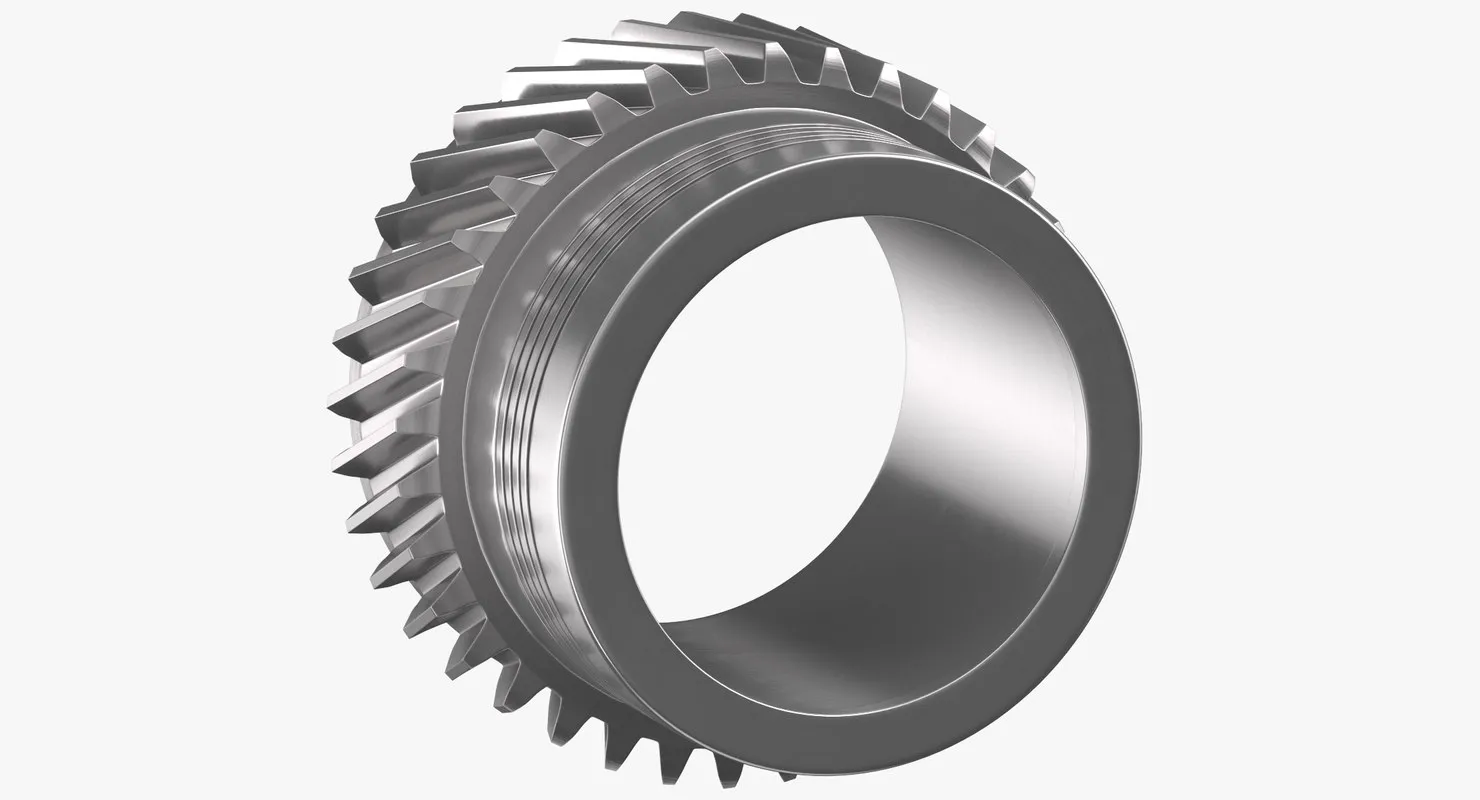
Double helical gears, also known as herringbone gears, are unique mechanical components designed to transmit rotational power with a high degree of efficiency and silence. Their distinguishing trait is their unique ‘V’ shaped teeth, which engage simultaneously, reducing vibration and noise significantly while enhancing torque transmission capability.
Utilizing Double Helical Gears
Double helical gears find extensive use in a variety of equipment including high-speed turbines, pumps, compressors, and marine applications. Their design allows for superior power transmission, making them ideal for heavy-duty applications where high torque is required.
Maintaining Double Helical Gears
Maintaining double helical gears involves regular inspection for wear and tear, ensuring proper lubrication, and timely replacement of components showing signs of damage. It is crucial to employ high-quality lubricants as they minimize friction and heat, thus prolonging gear life.
Production Process of Double Helical Gears
The production of double helical gears involves several steps including gear blank production, tooth cutting, heat treatment, and finishing. Precision machinery and skilled technicians are essential to ensure the gears’ high-quality and performance.
Unique Characteristics of Double Helical Gears
* High Load Capacity: Thanks to their double helical design, these gears can handle higher loads compared to their single helical counterparts.
* Reduced Noise and Vibration: The simultaneous engagement of the teeth leads to a smoother operation, minimizing noise and vibrations.
* Enhanced Durability: Their robust design and superior materials contribute to their long lifespan.
Choosing the Right Double Helical Gear
When choosing a double helical gear, consider factors like load requirements, operational environment, and gear material. It’s crucial to select a gear that matches your equipment’s specifications to ensure optimal performance.
Replacing Double Helical Gears
Typically, double helical gears need replacement when they show signs of excessive wear or damage. Regular inspections help in determining the right time for replacement. Always consult a professional for replacement to ensure correct installation and alignment.
In conclusion, double helical gears are versatile and robust components that offer superior performance in various applications. Regular maintenance and timely replacement ensure their longevity and optimal functioning. By understanding their features and production process, you can make an informed choice when selecting the right gear for your needs.