Ever wonder how car engines run so smoothly or how power tools deliver such precision? The answer lies in the intricate functioning of a helical gear.
Introduction to Helical Gears
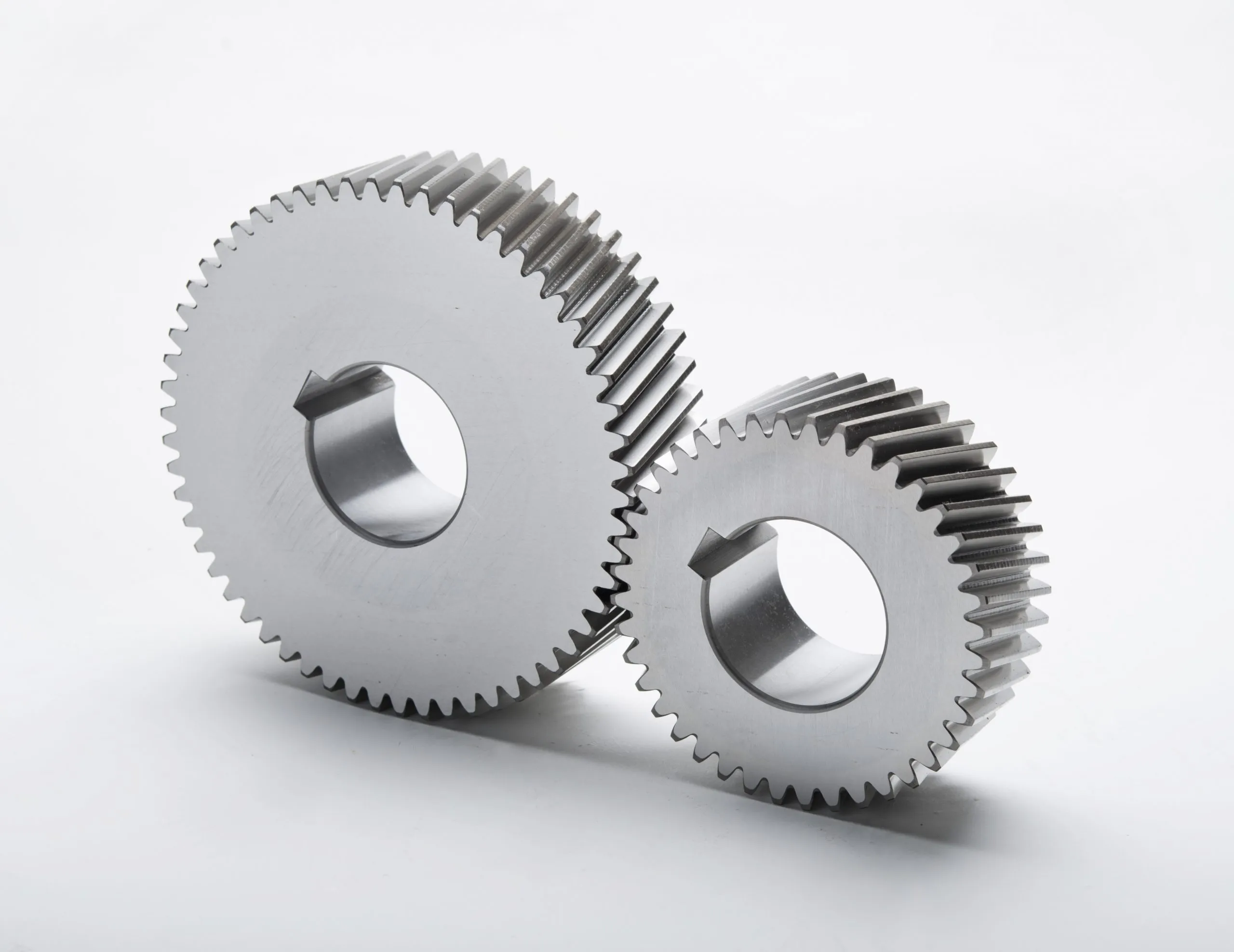
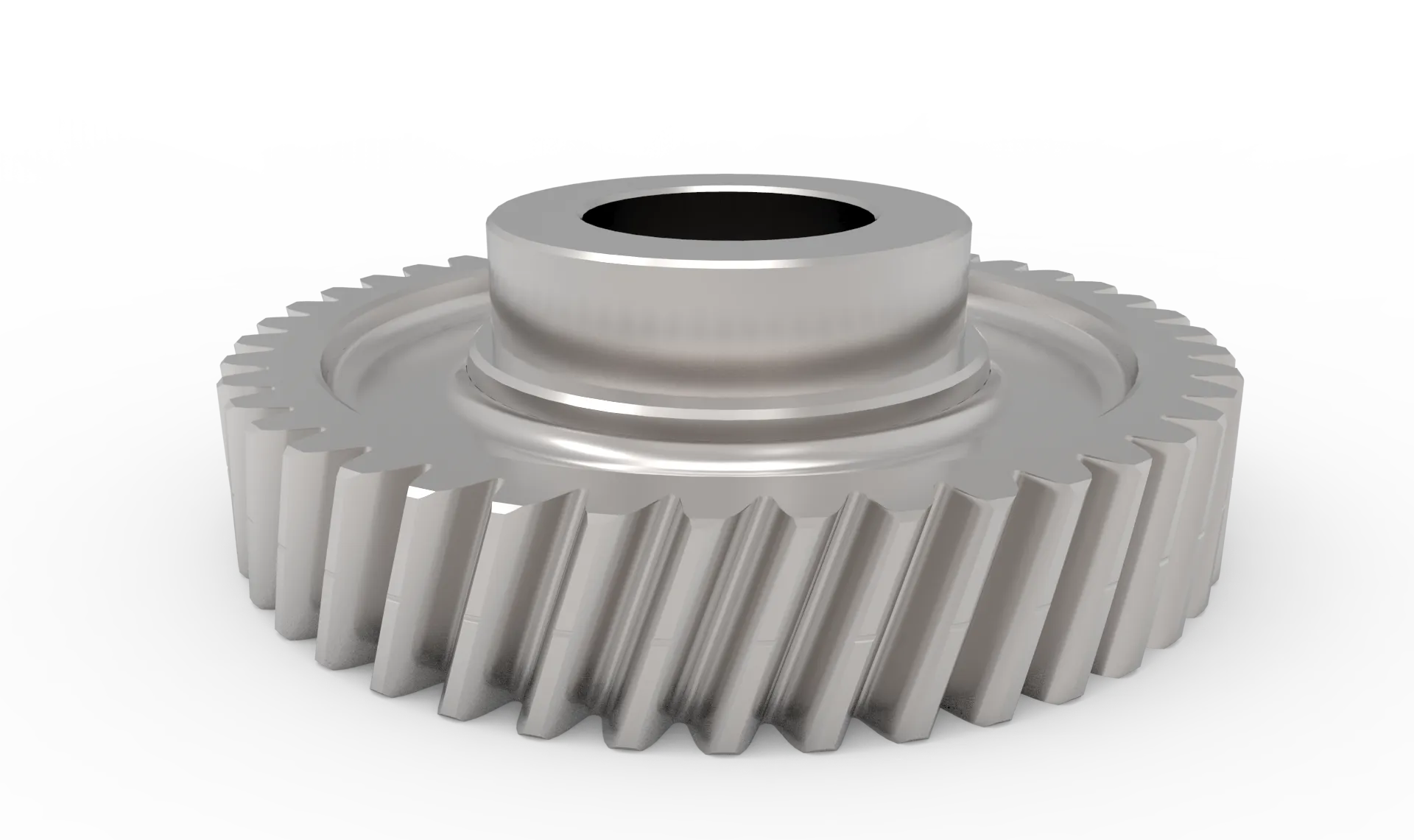
Helical gears, so named for their resemblance to segments cut from a helix, are cylindrical gears with slanted tooth trace. Unlike spur gears, which have straight teeth and generate noise due to the sudden contact of the gear teeth, helical gears ensure a gradual engagement of the teeth, reducing noise and vibration. This makes them a preferred choice for high-speed applications.
Method of Use
Helical gears are versatile and can be used in various ways. They can be meshed in parallel or crossed orientations, offering different torque and speed capabilities. When used in a parallel orientation, the rotational motion remains on the same axis, whereas in a crossed configuration, the motion transfers to a different axis.
Maintaining Your Helical Gears
Maintenance is critical to ensure the longevity and efficiency of helical gears. Regular inspection for wear and tear, keeping the gears lubricated, and ensuring proper alignment can prevent breakdowns and prolong the gear’s life.
Production Equipment Process
The manufacturing of helical gears involves several steps, including gear cutting, heat treatment, and gear grinding. This intricate process requires high precision equipment to ensure the gear teeth are cut at the right angle and to achieve the required hardness and toughness.
Characteristics of Helical Gears
– Smooth Operation: Helical gears operate smoothly and quietly due to the angled engagement of the gear teeth.
– High Load Capacity: Because more teeth are engaged at a time, helical gears can bear higher loads than spur gears.
– Versatility: They can be used in both parallel and crossed orientations, making them suitable for a wide range of applications.
Choosing the Right Helical Gear
Selecting the right helical gear depends on various factors such as the required speed, torque capacity, and the orientation of the gear shafts. A professional consultation is recommended to ensure you get the most suitable gear for your application.
Replacing Helical Gears
The need to replace helical gears often arises from excessive wear or damage to the gear teeth. Regular inspections can help in identifying any issues early and scheduling timely replacement. Always refer to the manufacturer’s manual for replacement guidelines.
In summary, helical gears are a crucial component in many mechanical systems. Their smooth operation, high load capacity, and versatility make them a popular choice in various applications. Understanding their function and maintenance requirements can ensure their longevity and efficient performance.