Introduction to Helical Gears
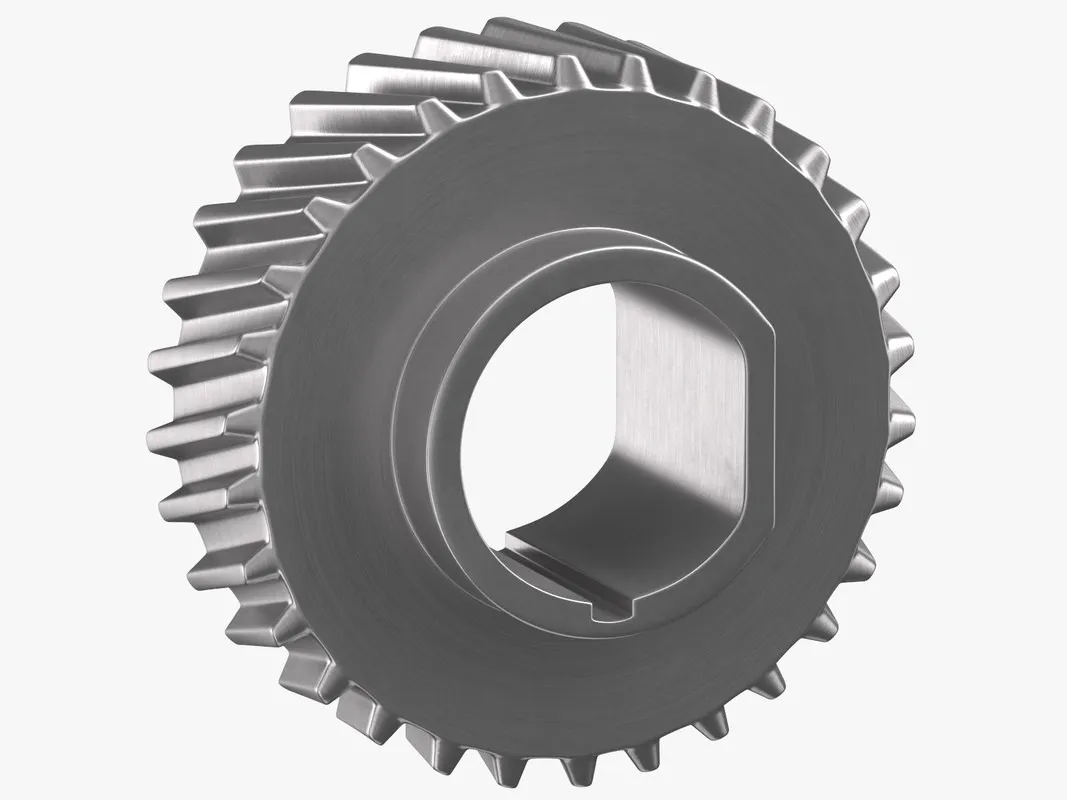
Helical gears are a type of gear recognized for their ability to transmit power between parallel or right-angle shafts smoothly and quietly. They stand out due to their unique tooth design, which is cut at an angle to the gear axis. However, despite their numerous advantages, helical gears do have certain drawbacks. In this in-depth guide, we will explore the disadvantages of helical gears.
Axial Thrust Issues
One of the most significant disadvantages of helical gears is the axial thrust they create. The angled teeth, while beneficial for smooth operation, lead to thrust along the gear shaft. This thrust exerts pressure on the gear’s bearings, leading to potential wear and tear and requiring more robust, and often more expensive, bearings.
Complex Manufacturing Process
Helical gears’ production process is more complex and time-consuming than that of spur gears. Specialized machinery and skilled operation are required to cut the angled teeth precisely. This complexity not only extends the production timeline but also increases the manufacturing costs.
Efficiency Concerns
While helical gears are lauded for their quiet and smooth operation, they tend to be less efficient than their spur gear counterparts. The sliding contact between the gear teeth generates heat, leading to energy losses. This heat can also lead to increased wear, affecting the gear’s lifespan.
Choosing the Right Gear
Given these drawbacks, it is crucial to consider the specific requirements of your application before choosing helical gears. While they are ideal for applications requiring quiet and smooth transmission, the additional costs and maintenance might be a trade-off in other scenarios.
When to Replace Your Helical Gear?
Knowing exactly when to replace your helical gear can be challenging. However, signs such as excessive noise, vibration, and heat can be an indicator of wear and tear. Regular inspection and maintenance can help identify potential issues early and extend the gear’s lifespan.
Maintaining Your Helical Gears
Despite their disadvantages, helical gears’ lifespan can be significantly extended with proper maintenance. Regular lubrication reduces friction, thereby reducing heat and wear. Additionally, using robust bearings capable of handling the axial thrust can also enhance the gear’s longevity.
Conclusion
While helical gears have certain disadvantages such as axial thrust, complex manufacturing process, and efficiency concerns, their benefits of quiet and smooth operation often outweigh these drawbacks in many applications. Understanding these disadvantages enables users to make an informed decision, ensuring they choose the right gear for their specific needs.
Remember, regular maintenance and inspection can significantly mitigate these issues, ensuring your helical gears function optimally for an extended period.