When it comes to the world of gears, the choice often boils down to helical gears and straight cut gears. These two types stand out due to their unique features and applications. This article will delve deeper into understanding these gears, their usage, maintenance, and selection process.
##Understanding Helical Gears
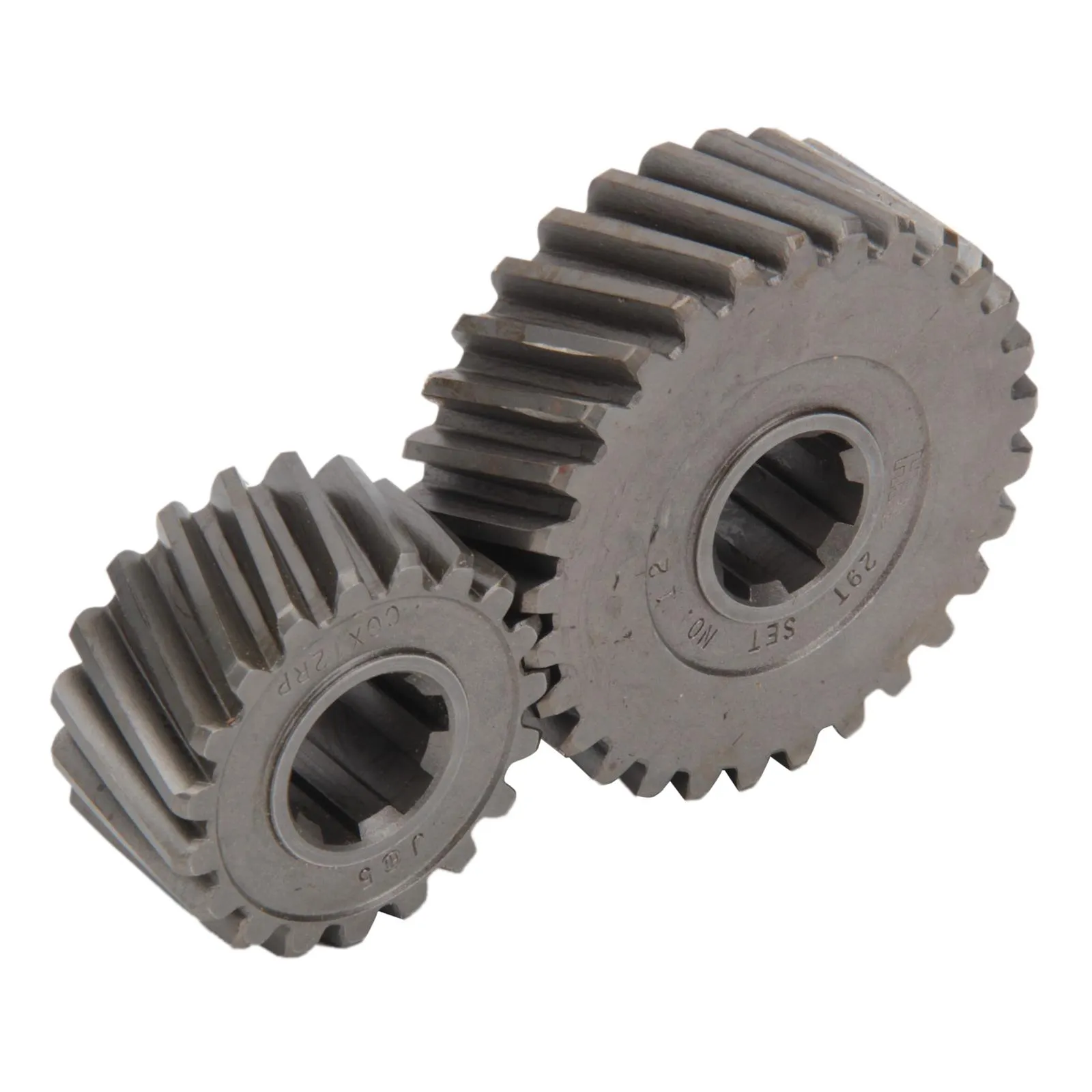
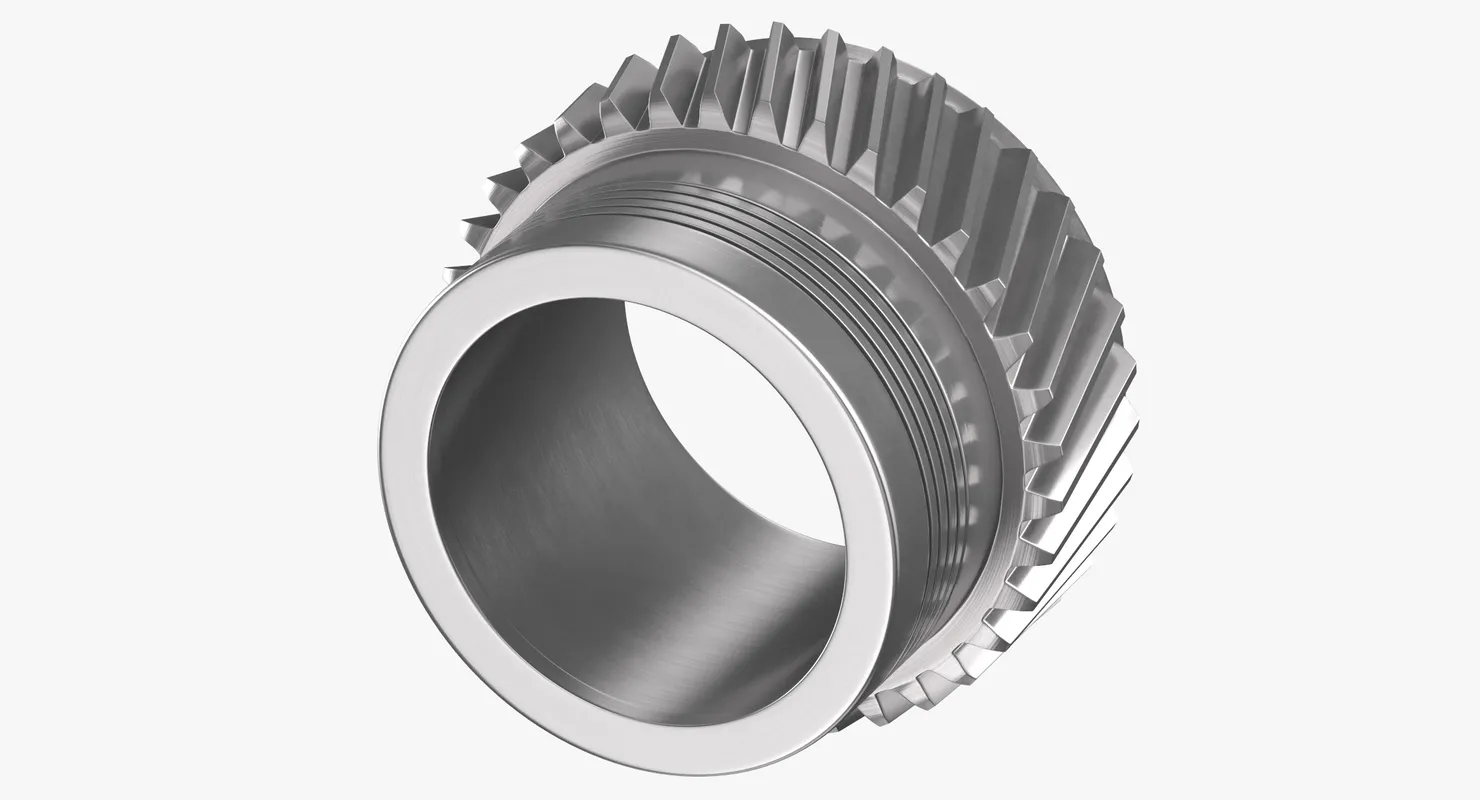
Helical gears are named for their helix or spiral-like teeth. Unlike straight cut gears, the teeth of a helical gear are cut at an angle to the face of the gear. This design plays a significant role in their functionality.
###Key Features
– **Quiet Operation:** Due to the angled teeth, helical gears engage more gradually, reducing the noise produced during operation.
– **High Load Capacity:** Helical gears can handle higher loads due to the increased surface contact between the gear teeth.
– **Smooth Engagement:** The gradual engagement of the teeth results in smooth operation and less wear and tear.
##Understanding Straight Cut Gears
Straight cut gears, also known as spur gears, have teeth that are cut straight across their surface. They are simple in design, making them easy to manufacture and maintain.
###Key Features
– **High Efficiency:** The straight teeth of these gears result in all the force being applied at once, leading to high efficiency.
– **Easy to Produce:** The simplicity of their design makes straight cut gears easier and cheaper to manufacture.
– **Simplicity in Design:** Straight cut gears have a simpler design which makes them easy to maintain.
##How to Choose Between Helical and Straight Cut Gears?
Choosing the right gear depends on several factors including noise tolerance, load capacity, efficiency, and cost.
###Noise Tolerance
If your operation requires low noise levels, the helical gear would be the appropriate choice due to its quiet operation.
###Load Capacity
For operations with high load requirements, helical gears prove to be more beneficial due to their increased surface contact and load-bearing capacity.
###Efficiency
If maximum power transmission is your priority, straight cut gears should be your choice due to their high efficiency.
###Cost
Straight cut gears are easier and cheaper to produce. However, considering the longevity and smooth operation of helical gears, they might prove to be cost-effective in the long run.
##When to Replace Your Gears?
Knowing when to replace your gears is crucial for efficient operation. Signs of excessive wear, such as grinding noises, vibration, or decreased performance, indicate that it’s time to replace your gears. Regular inspection and maintenance can also help identify potential problems before they become severe.
In conclusion, both helical and straight cut gears have their unique advantages and applications. Your choice will depend on your specific needs and preferences. By understanding the characteristics of each gear, you can make an informed decision that will enhance the efficiency and longevity of your machinery.