Introduction to Double Helical Gears
The world of machinery is vast and diverse, with the Double Helical Gear standing as a testament to engineering ingenuity. These unique gears, also known as herringbone gears, feature a dual angled tooth design that eliminates the problem of axial thrust, ensuring smooth, efficient operation of machinery. They find usage in high load bearing applications, such as power plants, steel mills, and marine propulsion systems.
The Science Behind Double Helical Gears
Double helical gears offer a seamless transmission of power. Their exclusive design includes two sets of teeth set at opposite angles, which essentially cancel out the axial forces. This results in a more stable, quiet, and efficient operation.
Method of Use
The installation of double helical gears requires precision. To ensure optimal performance, the gears must align perfectly. The backlash, the amount of clearance between the mating gear teeth, should be minimal to prevent gear damage and noise.
Maintenance
Regular inspection and maintenance of double helical gears is necessary to prolong their lifespan. This includes checking for wear and tear, lubrication, and cleaning. Lubrication is particularly crucial as it reduces friction, prevents overheating, and minimizes wear.
Production Process of Double Helical Gears
The manufacturing of double helical gears involves a series of complex processes. It starts with gear cutting, which is performed with specialized gear hobbing machines. The gears then go through heat treatment for hardening, followed by grinding to ensure precision in the gear teeth. The final step is the inspection for accuracy and quality.
Distinctive Features of Double Helical Gears

- High load carrying capacity: Double helical gears can bear larger loads compared to other gears due to their dual tooth design.
- Smooth operation: The double helix design nullifies the axial thrust, leading to less vibration and noise.
- Efficient power transmission: The design features allow for efficient power transmission, making them ideal for heavy-duty applications.
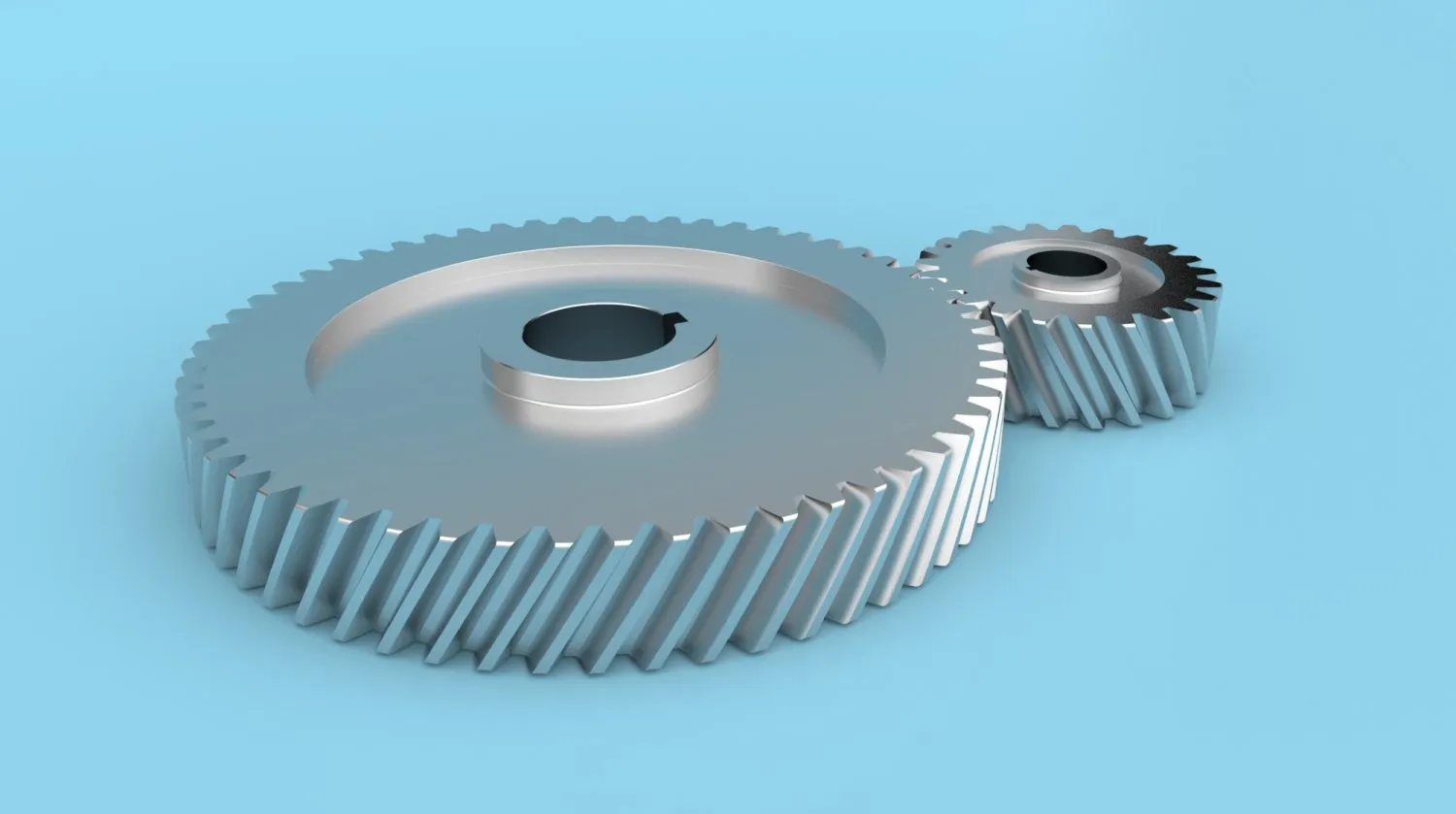
Choosing the Right Double Helical Gear
Selecting the right double helical gear depends on several factors, including load capacity, operational speed, noise tolerance, and installation space. It’s crucial to match the gear’s specifications with your application requirements for optimal performance.
When and How to Replace Double Helical Gears?
Double helical gears require replacement when they show signs of excessive wear or damage. This includes chipped or broken teeth, excessive noise, and decreased performance. The replacement process should be carried out by trained professionals to ensure proper installation and alignment.
In conclusion, double helical gears stand out for their unique design and high-performance capabilities. Their power, efficiency, and smooth operation make them a go-to choice for heavy-duty applications. Proper use and maintenance further assure their longevity and reliability.