Introduction to Helical Gears
Helical gears, as the name implies, feature a unique helical design that sets them apart from their counterparts. This intricate design offers an array of benefits, making these gears a preferred choice in various industries.
The Remarkable Benefits of Helical Gears
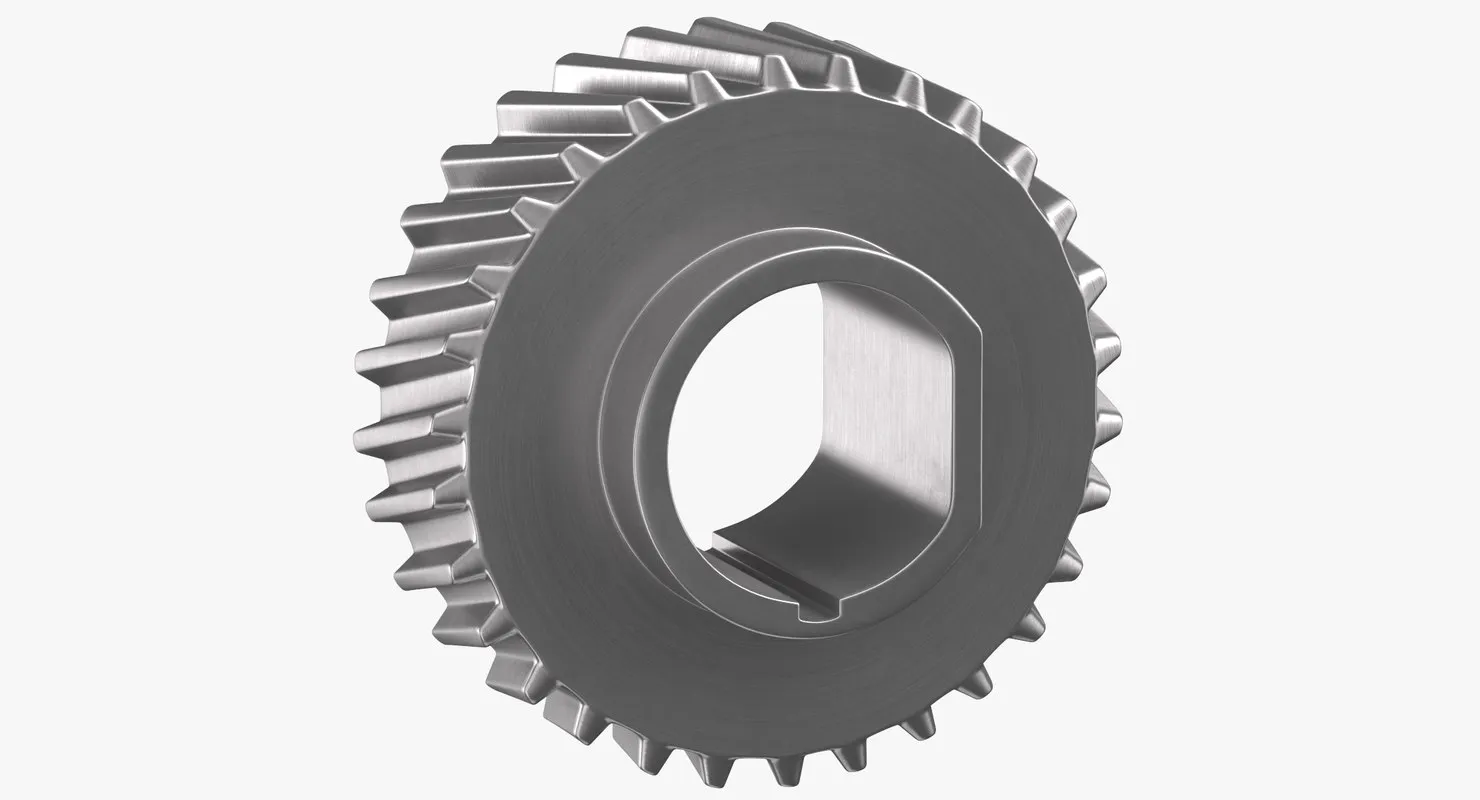
Let’s dive into the numerous advantages that helical gears bring to the table:
- Smooth Operation: Thanks to their angled teeth, helical gears operate more smoothly and quietly compared to spur gears. This makes them ideal for high-speed applications.
- Increased Load Capacity: The helical design allows for more teeth to engage simultaneously, enhancing load-bearing capacity. This makes helical gears incredibly robust and reliable.
- Higher Efficiency: The gradual engagement of helical gear teeth results in less energy loss, thereby maximizing efficiency.
- Durability: The enhanced load distribution across the gear teeth prolongs the gear’s life, reducing the need for frequent replacements.
Using Helical Gears Effectively
Utilizing helical gears to their full potential requires understanding their application. They are ideally suited for high-speed, high-torque applications due to their smooth operation and high load capacity. Take note of the gear’s helix angle: a larger angle will result in quieter operation but may produce more axial thrust.

Maintaining Your Helical Gears
Helical gears, while robust, require regular maintenance to function optimally. Regular lubrication is essential to reduce friction and prevent premature wear and tear. Regular visual inspections for signs of damage or wear also help to prolong the gear’s life.
The Production Process of Helical Gears
Helical gears are created using a meticulous and precise manufacturing process. The gear teeth are cut on a slant using a specialized gear hobbing machine, ensuring the accuracy and consistency of the helical angle.
Selecting the Right Helical Gear
Choosing the right helical gear depends on several factors:
- Application: Consider the speed, torque, and noise requirements of your application.
- Material: The gear material should be suitable for the operating conditions, ensuring durability and longevity.
- Helix Angle: The helix angle affects the gear’s operation and axial thrust. Choose an angle that best meets your needs.
When and How to Replace Helical Gears
Timely replacement of helical gears is crucial to maintain optimal performance. If you notice excessive noise, vibration, or visual signs of wear, it may be time for a replacement. When replacing, ensure that the new gear is of the correct size, material, and helix angle to match your specific application needs.
In conclusion, helical gears offer a plethora of benefits, making them an excellent choice for diverse applications. By understanding their advantages and maintenance needs, you can harness the full potential of these powerful mechanical components.