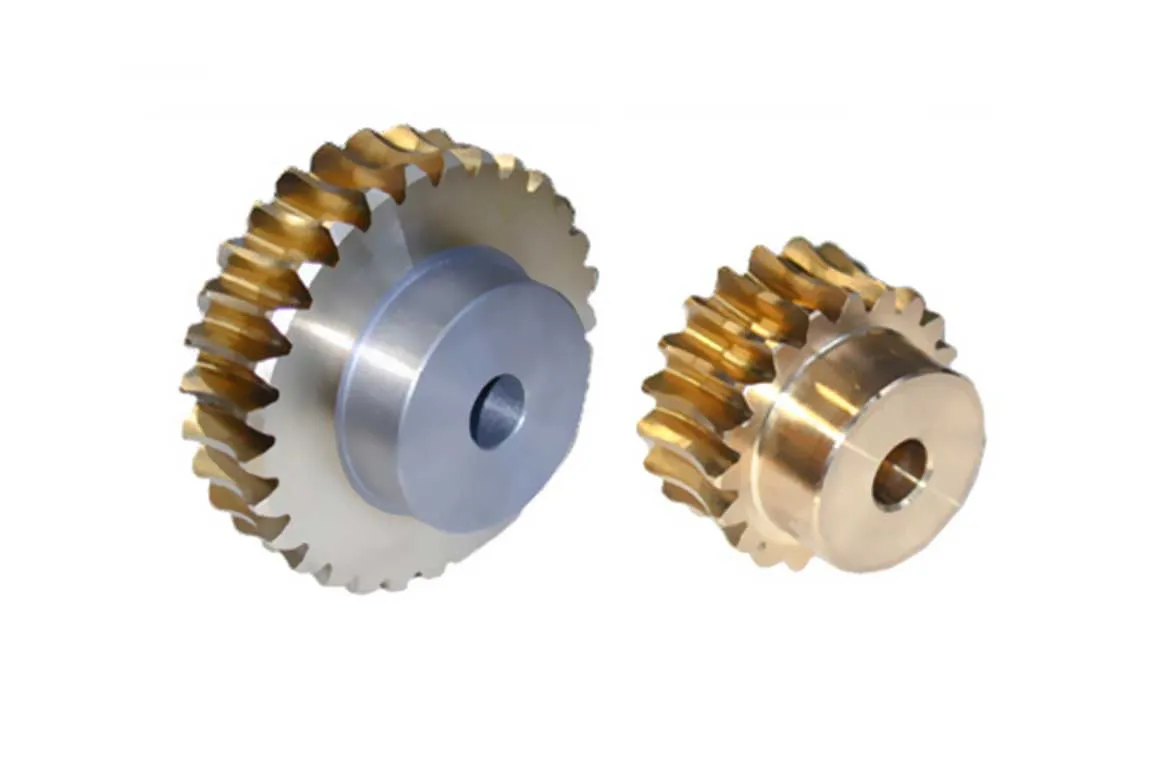
Introduction to Helical Gears
Helical gears are essentially mechanical components that transmit rotational motion between two parallel or non-parallel shafts. The name “helical” is derived from the gear’s unique construction where the teeth are cut at an angle to the gear axis, forming a helix. This design facilitates smooth and quiet operation, making helical gears a preferred choice in many industries.
Usage of Helical Gears
Helical gears are commonly used in automotive transmissions, industrial machinery, and even in mechanical clocks and watches. These gears are highly versatile and efficient, capable of handling high horsepower and torque levels. Their unique tooth profile allows them to maintain constant contact during rotation, ensuring a smooth transmission of power without any jerks or vibrations.
Sustaining Your Helical Gears
Like any mechanical component, helical gears require regular maintenance to ensure longevity and optimal performance. Regular inspections for wear and tear, adequate lubrication, and timely replacement of damaged gears are critical. The use of high-quality lubricants can reduce friction, prevent overheating, and prolong the gear’s lifespan.
Helical Gear Production Process
The production of helical gears involves a series of complex processes. It starts with gear hobbing, where a hobbing cutter shapes the gear blank into a rough gear shape. Then, the gear undergoes heat treatment for strength and durability before the final process of gear grinding, which refines the gear’s precision and surface finish.
Characteristics of Helical Gears
– Smooth and quiet operation: The helical design allows for constant tooth contact, reducing noise and vibration.
– High load carrying capacity: These gears can handle greater loads compared to other gear types, enhancing efficiency.

– Versatility: They can be used in both parallel and non-parallel shaft configurations.
– Durability: With proper care and maintenance, helical gears have a long service life.
Choosing the Right Helical Gear
Opting for the right helical gear depends on various factors like the intended application, the necessary load capacity, and the required gear ratio. It is also essential to consider the gear material for durability and resistance to wear and tear.
Replacement of Helical Gears
Knowing when and how to replace helical gears is critical. Typically, signs of excessive wear, noise, or vibration indicate the need for replacement. The replacement process should be done by a professional to ensure the correct alignment and fitting.
In conclusion, helical gears play a vital role in many industries due to their efficiency, versatility, and smooth operation. Understanding their meaning, usage, and maintenance can help in optimizing their benefits and prolonging their service life.