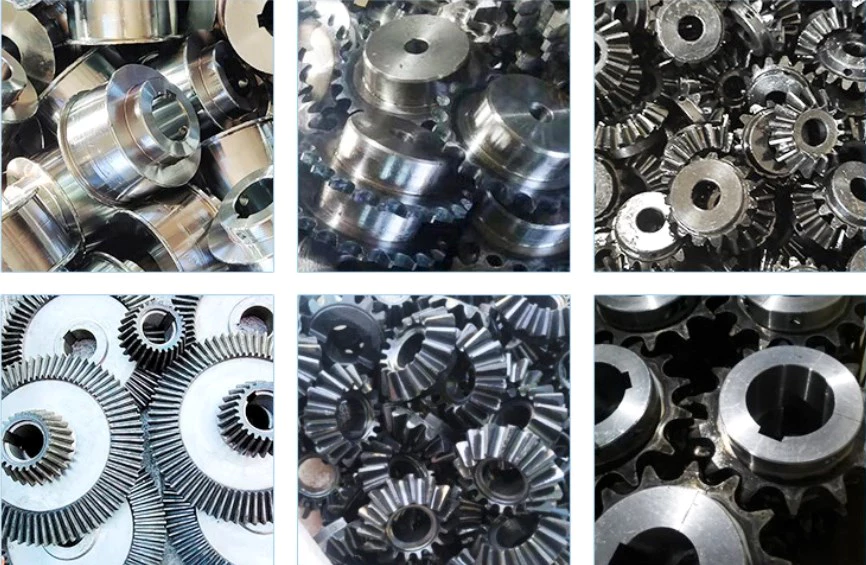
What is a Spur Gear?
A spur gear is one of the simplest types of gears, characterized by straight, parallel teeth cut along the gear’s circumference. They are typically mounted on parallel shafts, transmitting torque between collinear axes. The design of spur gears is straightforward and they feature in many mechanical devices due to their simplicity and efficiency.
What is a Spur Gear Used For?
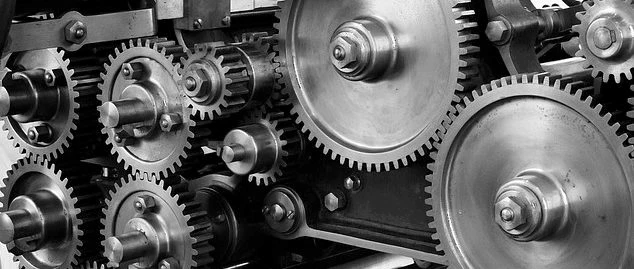
Spur gears are widely used in various industries and equipment. Their primary function is to transmit power between shafts that are parallel to each other. They are commonly found in washing machines, mechanical clocks, windup alarm clocks, and many other appliances. They are also used in automotive transmissions, where they help transmit power from the engine to the wheels. In industrial machinery, spur gears are used in conveyor systems, milling machines, lathes, and drilling machines among others.
Are Spur Gears the Most Efficient?
Spur gears are known for their efficiency in transmitting power. They are considered the most efficient type of gear when the power transmission occurs on parallel shafts. This is primarily because they do not produce thrust force and have a large effective area for transmitting power due to their straight teeth. However, they can be noisy when operating at high speeds because the entire surface area of the tooth engages at once.
What is the Alternative to a Spur Gear?
There are several alternatives to spur gears, each with their own unique advantages and trade-offs. Some of the most common alternatives include helical gears, bevel gears, worm gears, and planetary gears. Helical gears are often used as an alternative to spur gears in applications that require quiet and smooth operation at high speeds. They have teeth cut at an angle to the gear axis, which allows for gradual tooth engagement and disengagement, resulting in less noise and vibration compared to spur gears.
What is the Maximum Speed of a Spur Gear?
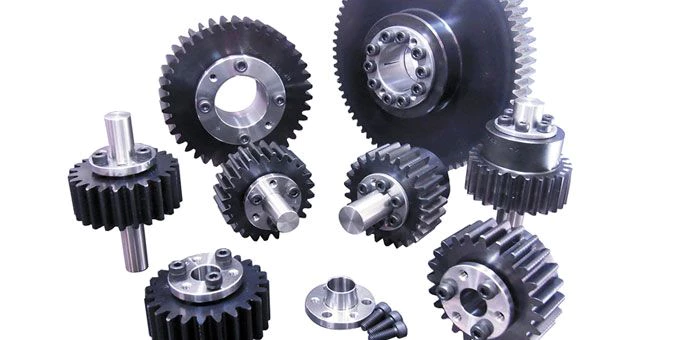
The maximum speed of a spur gear depends on various factors including its size, material, design, and the type of machinery it’s used in. Generally, larger gears will have a lower maximum speed than smaller gears. However, under optimal conditions, some spur gears can operate at rotational speeds of up to 10,000 RPM or more.
How are Spur Gears Cut?
Spur gears are typically cut using a process called hobbing. This involves a hob – a specialized cutting tool with teeth similar to those of the gear – being rotated in conjunction with the blank gear. As the hob turns, it progressively cuts the gear teeth into the blank. This process can be performed using either a manual or CNC machine. The hobbing process provides a high degree of accuracy and finish, making it suitable for mass production of gears.
Discover High-Quality Spur Gears at EVER-POWER
EVER-POWER, a leading player in the transmission parts market in China, offers a wide range of high-quality spur gears designed for various applications. Our products, including chain sprockets, hydraulic cylinders, agricultural machinery gearboxes, worm gears, motors, PTO shafts, and air compressors, are manufactured using 300 sets of fully automatic CNC production equipment and fully automatic assembly equipment. We strive to provide our customers with high-quality products at discounted prices along with thoughtful services.
Explore our range of products and experience the quality and efficiency that sets EVER-POWER apart. Visit our website at EVER-POWER