The vertical feed mixer gearbox for mixed livestock feed is an essential mechanical device designed specifically for use in vertical feed mixers that prepare feed for various types of livestock. This type of gearbox is integral to the operation of the mixer, as it efficiently transmits mechanical power from the source (often a tractor or a motor) to the mixing mechanism, which usually consists of one or more vertically oriented augers or paddles.
Constructed to be robust and durable, the gearbox is typically made from high-strength materials such as hardened steel or cast iron to withstand the stress and strain of daily operation. Inside the gearbox, a series of gears reduces the input speed provided by the power source to the optimal speed required to ensure thorough and consistent mixing. This speed reduction also increases the torque, providing the necessary force to mix heavy and dense materials like grains, supplements, and forage.
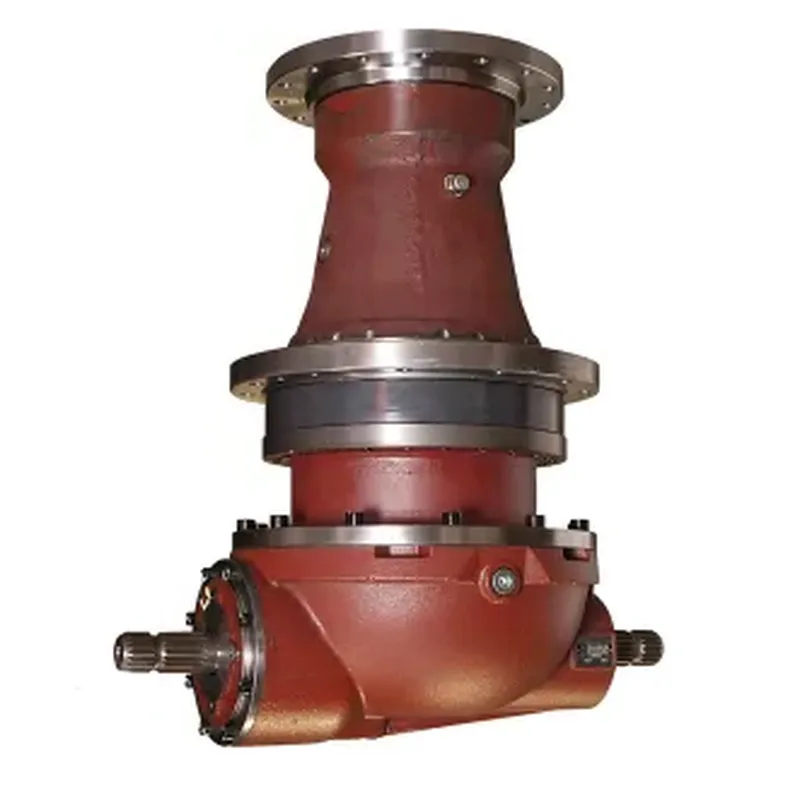
Advantages of Vertical Feed Mixer Gearbox for Mixed Livestock Feed
The Vertical Feed Mixer Gearbox offers several advantages for mixed livestock feed production. These advantages include:
- Efficient Mixing: The gearbox allows for efficient mixing of various feed ingredients. It provides the necessary speed and torque to blend the components thoroughly, ensuring a uniform distribution of nutrients throughout the feed. This promotes better digestion and absorption of nutrients by the animals.
- Customizable Mixing Speed: The gearbox’s design allows for adjustable mixing speeds. This flexibility enables operators to optimize the mixing process based on the type of feed and specific requirements. Different mixing speeds can be achieved by selecting the appropriate gear ratio, ensuring optimal mixing results.
- Enhanced Productivity: The gearbox enables high-speed mixing, which increases the productivity of feed production. It reduces the mixing time required to achieve a homogeneous blend, allowing for more batches of feed to be produced within a given timeframe. This is especially beneficial for large-scale livestock operations.
- Durability and Reliability: Vertical Feed Mixer Gearboxes are built to withstand the heavy demands of livestock feed mixing. They are constructed using high-quality materials and undergo rigorous testing to ensure durability and reliability. This results in a longer service life, reducing the need for frequent repairs or replacements.
- Easy Maintenance: Many vertical feed mixer gearboxes are designed for easy maintenance. They often have accessible inspection ports and lubrication points, allowing for convenient inspection and lubrication of the internal components. This simplifies maintenance tasks and helps to keep the gearbox operating smoothly.
- Improved Feed Quality: The consistent and thorough mixing achieved by the vertical feed mixer gearbox contributes to improved feed quality. The uniform distribution of ingredients ensures that each animal receives a balanced diet, leading to healthier livestock, improved growth rates, and higher milk or meat production.
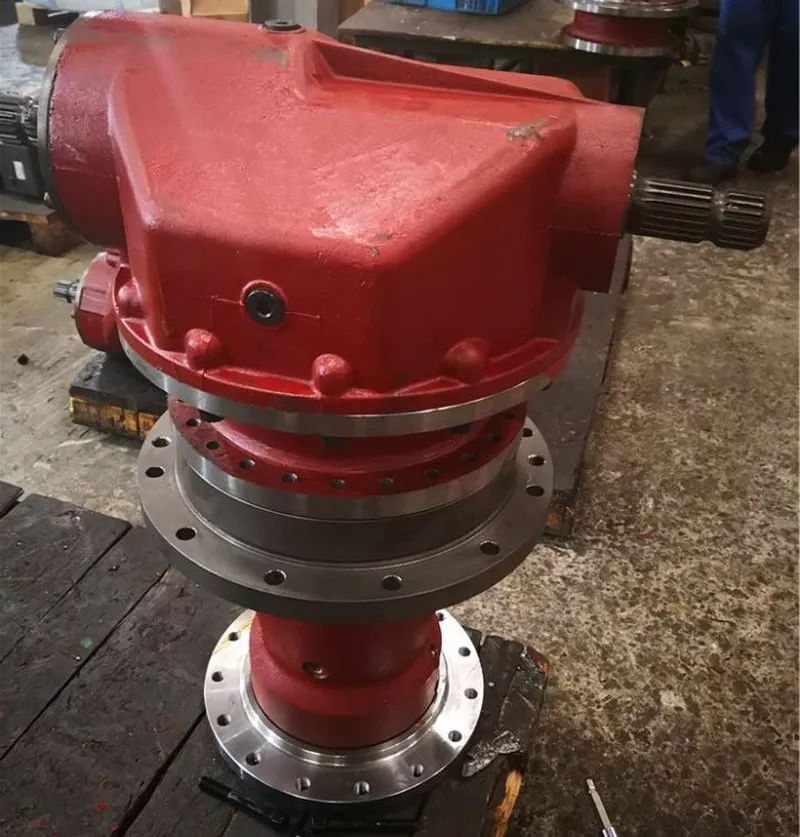
Applications of Vertical Feed Mixer Gearbox for Mixed Livestock Feed
The Vertical Feed Mixer Gearbox has versatile agricultural applications in the production of mixed livestock feed, as well as in the mixing of grains, hay, composting materials, and fertilizer. Here’s a breakdown of its applications in each area:
- Mixed Livestock Feed: The primary application of the Vertical Feed Mixer Gearbox is in the production of mixed livestock feed. It effectively blends various ingredients such as grains, protein sources, forages, supplements, and minerals to create a nutritionally balanced feed for livestock. The gearbox ensures thorough mixing, resulting in a uniform distribution of nutrients throughout the feed, promoting optimal animal health and productivity.
- Mixing Grains: The gearbox can be used to mix different grains, such as corn, wheat, barley, and oats. Farmers and feed producers often blend grains to create customized feed formulations based on livestock requirements. The gearbox’s adjustable mixing speed allows for precise blending, ensuring uniform distribution of the grains and optimizing the nutritional content of the feed.
- Mixed Hay: In the production of mixed hay feed, the gearbox facilitates the even distribution of different types of hay, such as alfalfa, timothy grass, and clover. By blending these hays, farmers can create a balanced diet for livestock, incorporating various nutrients and promoting healthy digestion. The gearbox’s efficient mixing action ensures that each portion of the feed contains a consistent combination of hays.
- Mixed Fertilizer: Fertilizer manufacturers and agricultural businesses often use vertical feed mixers with gearboxes to produce blended fertilizers. The gearbox aids in the thorough mixing of different fertilizer components such as nitrogen, phosphorus, potassium, and micronutrients. This ensures a consistent nutrient distribution in the final fertilizer product, allowing for precise application and improved crop yields.

Working Principle of Vertical Feed Mixer Gearbox for Mixed Livestock Feed
The working principle of a vertical feed mixer gearbox for mixed livestock feed involves a series of mechanical operations designed to transmit and transform power for effective mixing. Here is a detailed point description of how this essential piece of equipment operates:
- Power Input: The gearbox begins its operation by receiving rotational power from an external source, typically a tractor’s power take-off (PTO) or an electric motor. This input is crucial as it provides the initial energy required for the mixing process. The input shaft of the gearbox is engineered to connect seamlessly with the power source, ensuring a stable and efficient transfer of energy.
- Speed Reduction: One of the primary functions of the gearbox is to reduce the speed of the incoming power to a level that is optimal for mixing. This is achieved through a configuration of gears inside the gearbox, often involving a combination of spur, helical, or planetary gears. By decreasing the speed, the gearbox ensures that the mixing augers or paddles operate at a rate that promotes thorough mixing without damaging the ingredients.
- Torque Increase: As the speed is reduced, the torque (or rotational force) is increased. This increase in torque is necessary because the materials being mixed can be quite dense and heavy, requiring more force to move them effectively. The higher torque allows the mixer to handle large volumes of feed components such as forage, grains, and supplements, blending them into a consistent mixture.
- Power Transmission: After adjusting the speed and torque, the gearbox transmits the modified power to the mixer’s main drive shaft. This shaft is directly connected to the mixing mechanism, which could include vertical augers, paddles, or ribbons. The efficient transmission of power is key to turning these components, which in turn mix the livestock feed.

Installation Steps of Vertical Feed Mixer Gearbox for Mixed Livestock Feed
The installation of a vertical feed mixer gearbox for mixed livestock feed involves precise steps to ensure proper assembly and function. Here is a detailed step guide on how to install this crucial agricultural machinery component:
- Initial Preparation: Before beginning the installation, ensure the mixer and the area around it are clean and free from any debris that could interfere with the installation process. Gather all necessary tools, hardware, and the gearbox itself. Confirm that all parts are available and in good condition. Disconnect any power sources to the feed mixer to ensure safety during the installation.
- Mounting the Gearbox: Position the gearbox at its designated mounting location on the feed mixer. This location is typically pre-determined and reinforced to support the gearbox’s weight and operational stress. Align the mounting holes on the gearbox with the corresponding holes on the mixer’s frame. Secure the gearbox using the bolts, nuts, and washers provided, ensuring that each fastener is tightened to the manual’s specifications to avoid any movement during operation.
- Connecting the Input Shaft: Attach the gearbox’s input shaft to the power source, which could be the PTO shaft of a tractor or an electric motor. Ensure the connection is secure and that the shafts are aligned correctly to prevent undue stress or damage. Use couplings or adapters as required to fit the shaft sizes accurately and lock them in place with pins or set screws.
- Installing Drive Components: Connect the output shaft of the gearbox to the mixing mechanism, which may involve vertical augers or paddles inside the mixer. This connection often requires precise alignment to ensure efficient transfer of torque and to reduce wear. If belts or chains are used, install them ensuring proper tension to maintain effective power transmission and reduce slippage.
- Lubrication: Fill the gearbox with the appropriate type and amount of lubricant, as specified by the manual. Proper lubrication is critical for smooth operation and longevity of the gearbox. Check for any lubrication points on the gearbox exterior that might require regular maintenance, such as grease nipples, and ensure they are accessible for future servicing.
- Testing and Calibration: Once the installation is complete, reconnect the power source and conduct a test run to verify that the gearbox and mixer are functioning correctly. Observe the operation for any unusual noises or vibrations that might indicate improper installation. Adjust as necessary to achieve optimal performance. Finally, calibrate any controls related to the mixer’s operation, such as speed settings, to ensure they are set according to the needs of the mixing process.
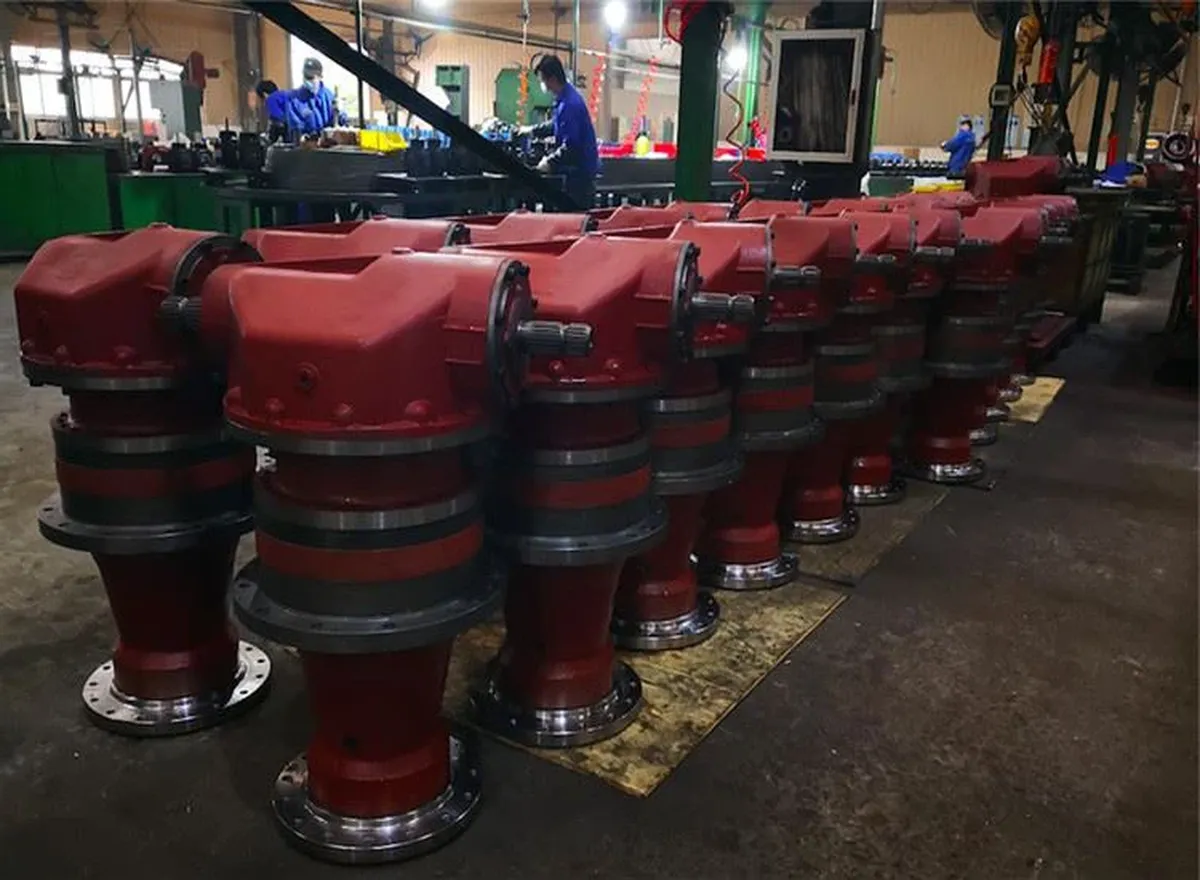
Common Troubleshooting of Vertical Feed Mixer Gearbox for Mixed Livestock Feed
Troubleshooting a vertical feed mixer gearbox for mixed livestock feed is essential for maintaining efficient operation and preventing downtime. Here are six common issues that might arise and how to address them:
- Excessive Noise or Vibration: Unusual noise or vibration is often a sign of misalignment, imbalance, or wear within the gearbox. First, check for proper alignment between the gearbox and the tractor’s PTO shaft or motor. Ensure that all mounting bolts are tight and secure. Inspect the internal gears and bearings for wear or damage, and replace any worn components. Imbalance in the mixing blades can also cause vibration, so ensure they are properly aligned and secured.
- Gearbox Overheating: If the gearbox overheats, it could be due to inadequate lubrication, overloading, or operating beyond its designed capacity. Check the level and condition of the lubricating oil; top up or change the oil if necessary. Ensure that the mixer is not overloaded with materials and that the operation speed adheres to the manufacturer’s specifications. Improving ventilation around the gearbox can also help dissipate heat more effectively.
- Leakage of Lubricant: Oil leaks can occur from worn seals or gaskets or cracks in the gearbox housing. Inspect all seals and replace them if they appear cracked or brittle. If there is a crack in the gearbox housing, assess whether it can be welded or if the housing needs replacement. Regularly check and maintain the proper oil level to ensure all moving parts are adequately lubricated.
- Poor Mixing Performance: Inadequate mixing can result from issues such as insufficient torque, incorrect mixer speed, or worn mixing elements. Verify that the gearbox is providing adequate torque and that the output speed settings are correct. Examine the mixer’s augers or paddles for wear and replace if necessary to ensure effective mixing.

Why Choose EVER-POWER’s Vertical Feed Mixer Gearbox?
EVER-POWER is a prominent manufacturer of high-performance vertical feed mixer gearboxes for a variety of applications. Our vertical feed mixer gearboxes are a powerful replacement option for various brands of gearboxes. Our vertical feed mixer gearboxes are a powerful replacement option for Comer Industries, Bondioli & Pavesi, Brevini, Kuhn, Storti, Trioliet, Jaylor, Schuler, and other brands of gearboxes. Our technical staff can reconfigure an existing design or assist you in designing a custom vertical feed mixer gearbox if a standard or existing design does not fit your application. Shaft rotation, speed ratio, input speed, output speed, input torque, output torque, mounting position, and the application’s environment are all considerations when choosing a vertical feed mixer gearbox. Our range of agricultural gearboxes and PTO shafts caters to diverse applications, providing reliable solutions for farmers and industrial users.
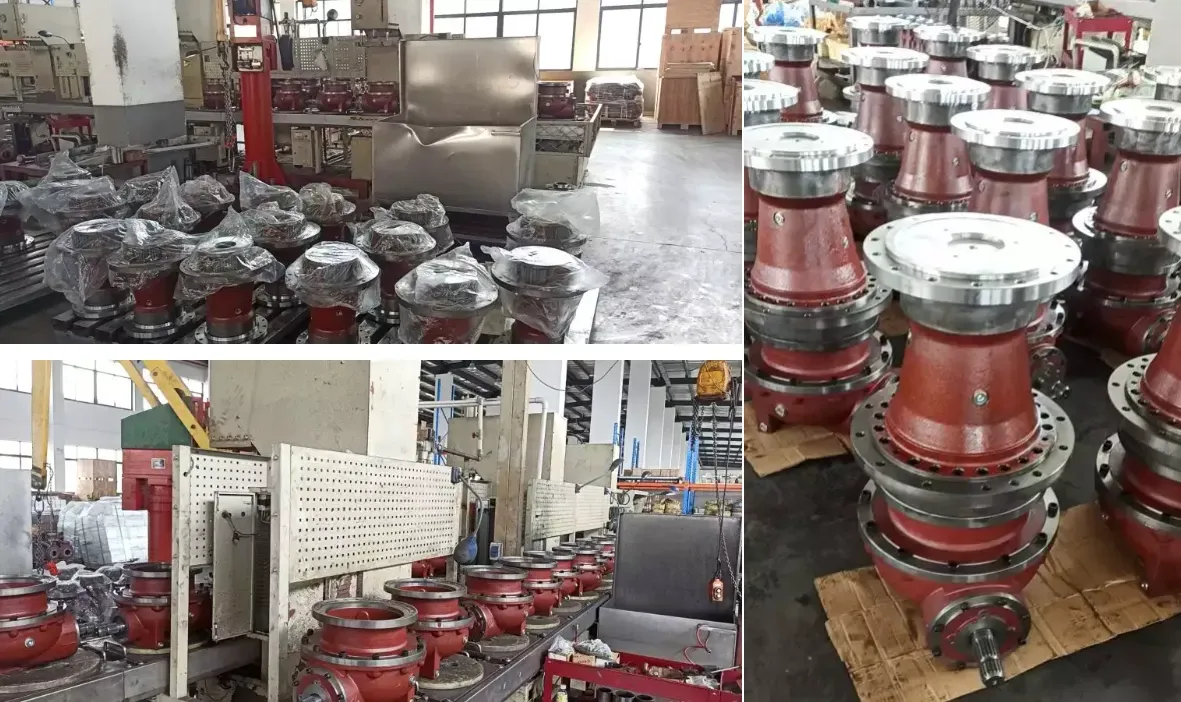
Professionalism
EVER-POWER prides itself on professionalism in manufacturing high-quality gearboxes.
International Certifications
Our products meet international quality standards and certifications for reliability and performance.
Customized Services
We offer customized gearbox solutions to meet unique requirements and specifications.
Production Facilities
Our state-of-the-art production facilities ensure precision and efficiency in gearbox manufacturing.
After-Sales Services
We provide comprehensive after-sales support to ensure customer satisfaction and product longevity.
Author: Yjx