A tractor PTO drive square hay baler is an agricultural machine designed to efficiently convert loose hay or straw into compact, square-shaped bales. The baler attaches to a tractor and uses the tractor’s PTO shaft to power its mechanisms. This setup allows for a seamless transfer of power from the tractor’s engine to the baler, enabling the machine to operate without an independent engine.
The square baler gathers hay from the field using a pickup mechanism, which feeds the material into a compression chamber. Inside the chamber, the hay is compressed into dense, uniform bales by a series of plungers. Once the bale reaches the desired size, it is tied with twine or wire to maintain its shape and then ejected onto the ground or a trailer for transport.
Square balers are favored for their ability to produce tightly packed bales that are easy to stack and store. They are widely used on farms for their efficiency in handling large volumes of hay, making the process of feeding livestock or transporting hay much more manageable.
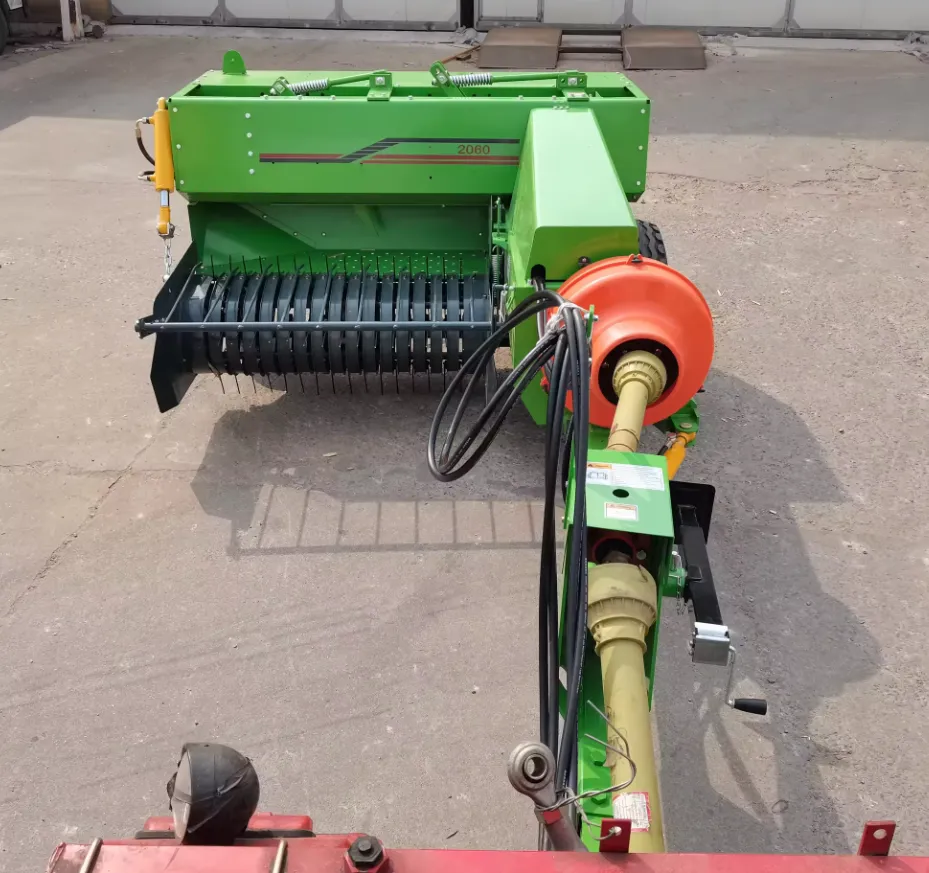
Mini Square Baler Vs. Mini Round Baler
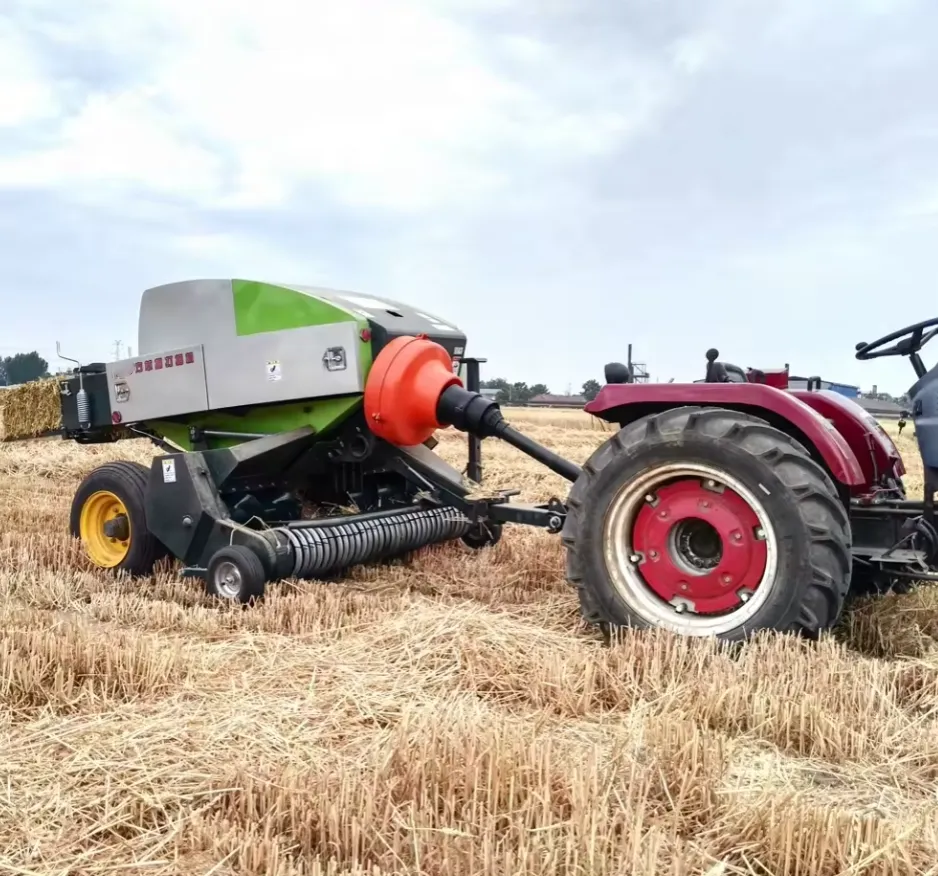
The mini square baler and mini round baler differ primarily in their output shape and suitability for specific applications. The mini square baler produces tightly packed, rectangular-shaped bales, ideal for easy stacking and storage in barns or warehouses. It’s preferred for crops requiring uniform stacking or where space efficiency is crucial.
In contrast, the mini round baler creates circular bales, which are often larger in volume and easier to handle with specialized equipment. Round bales are convenient for grazing livestock directly or for transport over long distances, making it a practical choice for farms with pasture management or transportation needs.
Here’s a comparison table between mini square baler and mini round baler, highlighting their key differences across various aspects:
| Criteria | Mini Square Baler | Mini Round Baler |
|---|---|---|
| Bale Shape | Rectangular (Square) | Circular (Round) |
| Bale Density | Typically higher, allowing for tighter packing | May vary, but generally less dense than square bales |
| Storage Efficiency | Ideal for stacking, saving space in barns or warehouses | Larger volume, less space-efficient stacking |
| Handling Equipment | Can be handled with forklifts, cranes, or manual stacking | Requires specialized round bale handlers or spikes |
| Suitability for Grazing | Less convenient for direct grazing due to shape | Convenient for grazing livestock directly |
| Transportability | Easier to stack and transport in trucks or trailers | Larger volume may require specialized transportation |
| Application Flexibility | Good for storage, sale, and some feeding operations | Ideal for large-scale pasture management and transport |
| Bale Size Adjustability | Some models offer adjustable bale sizes | Often limited in bale size adjustment options |
| Material Handling Speed | Can vary depending on model and power source | May have higher throughput for certain crops |
| Power Requirements | Varies, but often requires tractor PTO drive | Typically requires tractor PTO drive |
| Operating Complexity | May be simpler for operators used to square shapes | May require additional training for circular handling |
| Bale Wrapping Capability | Can be wrapped with plastic or net for long-term storage | Often wrapped with plastic or net for outdoor storage |
| Bale Weight | Generally lighter, easier to manually manipulate | Heavier, more challenging to manually handle |
| Feed Uniformity | May provide more uniform feed for livestock | Feed quality and uniformity may vary within the bale |
| Environmental Impact | Less waste potential with tight packing | Larger bale size may increase waste if not fully used |
| Cost | Can vary, but initial investment may be similar | May have similar initial cost, but different operating costs |
| Maintenance Requirements | Routine maintenance similar to other agricultural machinery | Routine maintenance, may require specialized tools for certain components |
 |
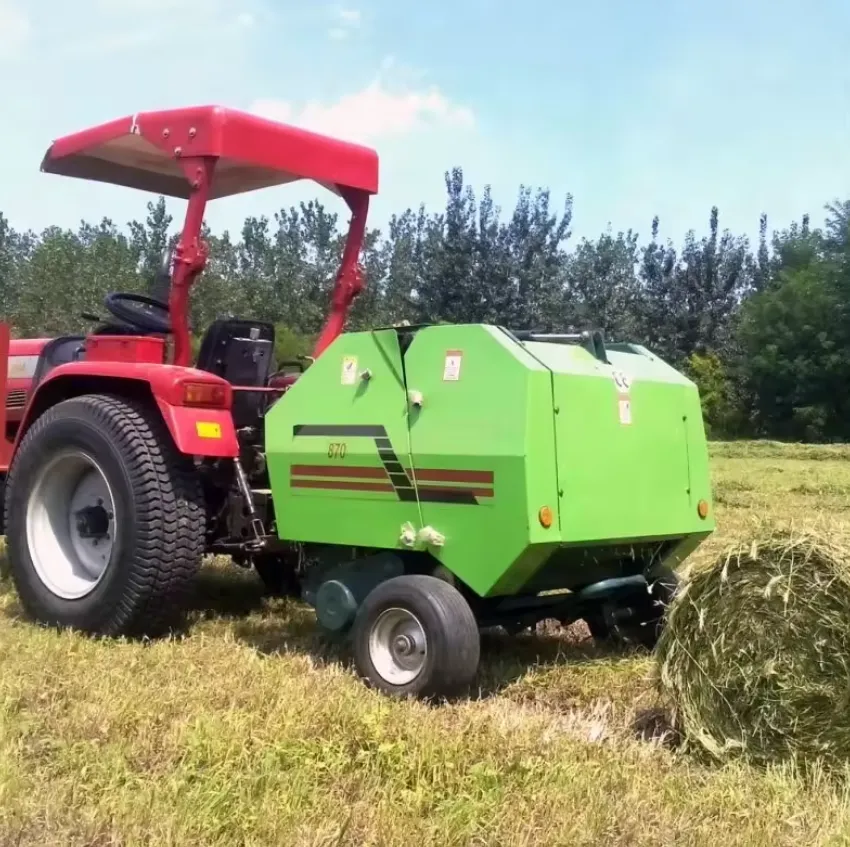 |
| Mini Square Baler | Mini Round Baler |
Advantages of Using the Tractor PTO Driven Square Baler
The tractor PTO driven square baler offers numerous advantages that make it a highly sought-after piece of agricultural machinery, especially for farmers and ranchers dealing with hay and other forage crops. Here are some of the key advantages:
- Efficient Use of Tractor Power: The PTO-driven square baler effectively utilizes the tractor’s engine power, ensuring efficient operation without needing an independent power source. Connecting directly to the tractor’s PTO shaft reduces fuel consumption and maintenance costs, maximizing the overall efficiency of both the tractor and the baler during operation.
- Versatility: This baler is highly versatile and capable of handling various types of forage, including hay, straw, and silage. Its adaptability allows farmers to use the same equipment across different crops and conditions, enhancing its utility throughout the farming season. This versatility reduces the need for multiple machines, saving both space and investment costs.
- Uniformity in Bale Size: Square balers produce bales of consistent size and shape, which simplifies stacking and storage. Uniform bales ensure that transportation is more efficient, as they fit neatly into trailers and storage facilities. This consistency also aids in calculating the quantity of feed available, making inventory management more predictable and straightforward for farmers.
- Increased Density and Compactness: The design of square balers allows for greater compression of material, resulting in denser, more compact bales. This increased density means that more material can be stored in less space, optimizing storage capacity. Denser bales also maintain their shape better during handling and transportation, reducing the risk of spoilage and loss.
- Ease of Handling and Transport: Square bales are easier to handle and transport due to their regular shape and size. They can be stacked efficiently, allowing for more effective use of space in storage areas and transport vehicles. This ease of handling reduces labor costs and time spent during loading, unloading, and stacking operations on the farm.
- Improved Productivity: By streamlining the baling process and reducing manual labor, PTO-driven square balers significantly enhance productivity. They allow farmers to cover more ground in less time, increasing the amount of harvested material processed each day. This improved efficiency is crucial during peak harvest periods when time is of the essence.
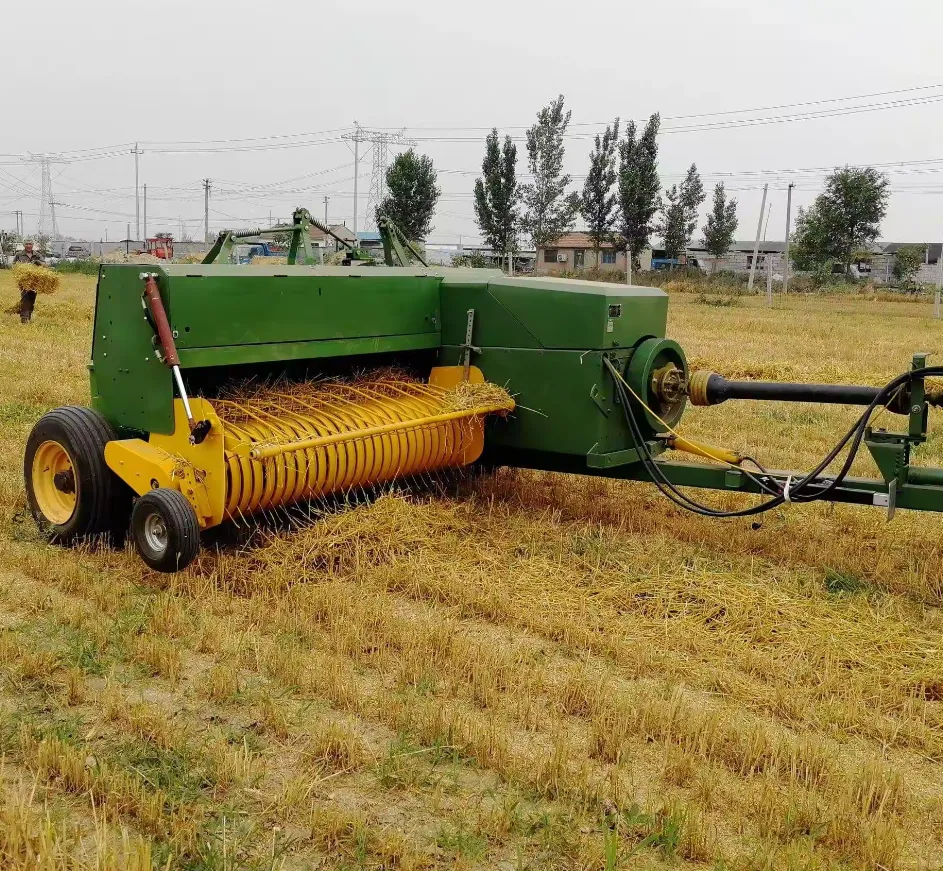
Common Applications:
The hay square baler is a versatile piece of agricultural equipment that finds numerous applications across the farming industry, particularly in sectors related to forage handling and management. Here are some common applications of hay square balers:
- Baling Wheat Straw: Square balers are used to compress wheat straw into manageable, compact bales. This straw is often used as livestock bedding or as a mulch in gardens. The uniformity of the bales ensures efficient storage and transportation, making it easier for farmers to handle large quantities of straw during the harvest season.
- Baling Rice Straw: Rice straw baling helps in repurposing agricultural by-products, reducing waste. The square baler compacts the straw, which can then be used for livestock feed, bedding, or even in biofuel production. This process not only aids in waste management but also provides additional resources for various agricultural and industrial applications.
- Baling Hay: Baling hay is a primary application for square balers, transforming loose hay into dense bales. These bales are crucial for feeding livestock throughout the year, especially in colder months when pasture is unavailable. The uniform bales ensure easy storage and precise rationing, optimizing feed management and minimizing waste.
- Baling Forage: Square balers are adept at handling different types of forage, including grasses and legumes. Baling forage preserves its nutritional content, providing high-quality feed for livestock. This method is essential for maintaining a steady supply of nutritious feed, ensuring animal health and productivity are sustained throughout the year.
- Baling Barley Straw: Barley straw is baled for use as bedding or as a feed supplement. The baling process compacts the straw, enhancing its manageability and storage. Farmers benefit from the efficient use of space and ease of transport, allowing them to maximize their resources and maintain a clean environment for their livestock.
- Baling Corn Stalk: Corn stalk baling repurposes post-harvest residue, turning it into useful bales for animal bedding or feed. The process aids in field cleanup and soil preparation for subsequent planting. By compacting the stalks, farmers can efficiently transport and store the material, contributing to sustainable farming practices and resource optimization.

Working Principle of Tractor PTO Driven Square Baler for Baling Straw
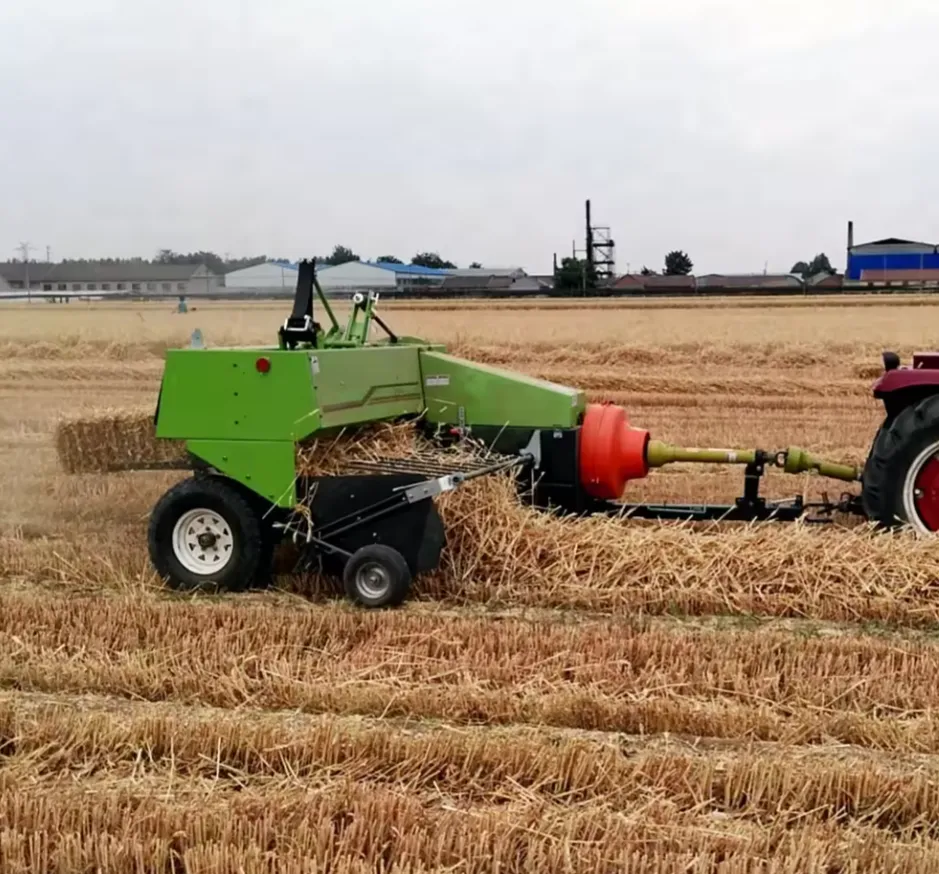
The working principle of a tractor PTO driven square baler, specifically designed for baling straw, involves several key components and steps that work together to compress the straw into tightly packed, square-shaped bales. Here’s a detailed explanation:
- Power Transmission: The baler is powered by the tractor’s PTO system, which transmits mechanical power from the tractor’s engine to the baler. This allows the baler to operate independently of the tractor’s main transmission, enabling the operator to adjust the baler’s speed and functions as needed while driving the tractor.
- Feeding Mechanism: The straw is fed into the baler through a wide, adjustable pick-up assembly at the front of the machine. This assembly typically consists of a rotating reel or tines that gather the straw from the ground and convey it towards the baling chamber. The speed and angle of the pick-up can be adjusted to optimize the feeding process for different conditions and types of straw.
- Pre-Compression Chamber: As the straw enters the baler, it first passes through a pre-compression chamber where it is loosely compacted. This chamber helps to even out the flow of straw and prepares it for the main baling process.
- Baling Chamber: The straw then enters the main baling chamber, where it is compressed into a tight, square-shaped bale. The baling chamber typically consists of a series of rotating rollers or belts that gradually compress the straw as it moves through the chamber. The pressure applied by these rollers or belts can be adjusted to produce bales of varying densities.
- Tying System: Once the bale reaches a predetermined size, the tying system is activated. This system typically uses twine or wire to securely tie the bale, ensuring that it remains intact during transport and storage. The tying process is automated, with the twine or wire being fed, tied, and cut automatically by the baler.
- Ejection Mechanism: After the bale is tied, it is ejected from the baling chamber onto the ground or onto a conveyor belt (if equipped) for easy collection and transport. The ejection mechanism is designed to minimize the risk of bale damage and ensure that the bale is placed in a stable position.
Operation Tips:
When operating a tractor PTO driven square hay baler, there are several key operation tips to keep in mind to ensure safe, efficient, and high-quality baling. Here are some important points to consider:
- Pre-Operation Checks: Before starting, conduct thorough pre-operation checks. Inspect the baler for any signs of wear or damage, ensure all safety guards are in place, and verify fluid levels. Check the condition of belts, chains, and the PTO shaft to prevent breakdowns. Regular checks help maintain efficiency and safety during baling operations.
- Adjust the Pick-Up: Properly adjust the pickup mechanism to match the ground conditions and windrow size. Ensuring the pickup height is set correctly minimizes material loss and prevents damage. Adjustments allow for efficient gathering of straw or hay, optimizing the flow of material into the baler and enhancing overall productivity.
- Monitor the Baling Chamber: Keep an eye on the baling chamber to ensure it’s operating smoothly. Watch for any blockages or uneven feeding, which can affect bale quality. Regular monitoring helps maintain a steady flow of material, ensuring that bales are formed correctly and consistently, reducing downtime and improving efficiency.
- Maintain a Safe Distance: Always maintain a safe distance from moving parts of the baler. Ensure that bystanders and additional workers are clear of the baler during operation. Safety precautions prevent accidents and injuries, keeping the baling process smooth and secure for everyone involved.
- Tie Securely: Ensure that the tying mechanism is functioning properly to secure each bale. Check the twine or wire tension and replace any worn components. Securely tied bales maintain their shape during handling and storage, preventing losses and ensuring efficient transport.
- Monitor Bale Density: Regularly check and adjust the density settings to produce uniform bales. Consistent density is crucial for ease of handling and storage. Adjust tension settings according to the type of material and its moisture content, ensuring that bales are compact and durable.
- Optimal Speed and RPM: Operate the baler at the recommended speed and RPM for optimal performance. Correct speed ensures efficient pickup and baling without overloading the machine. Maintaining these settings helps produce well-formed bales and reduces the likelihood of mechanical issues.
- Proper PTO Connection: Ensure the PTO shaft is securely connected and aligned between the tractor and baler. Proper connection prevents power loss and reduces wear on components. Check that the shaft angle and length are appropriate to avoid disconnection or damage during operation.
- Use Caution When Ejecting Bales: Exercise caution when ejecting bales to prevent injury or machine damage. Ensure the area behind the baler is clear, and monitor the ejection process closely. Safe ejection practices help maintain a smooth workflow and prevent accidents, ensuring efficient and continuous baling operations.

Agricultural PTO Shaft for Mini Square Baler
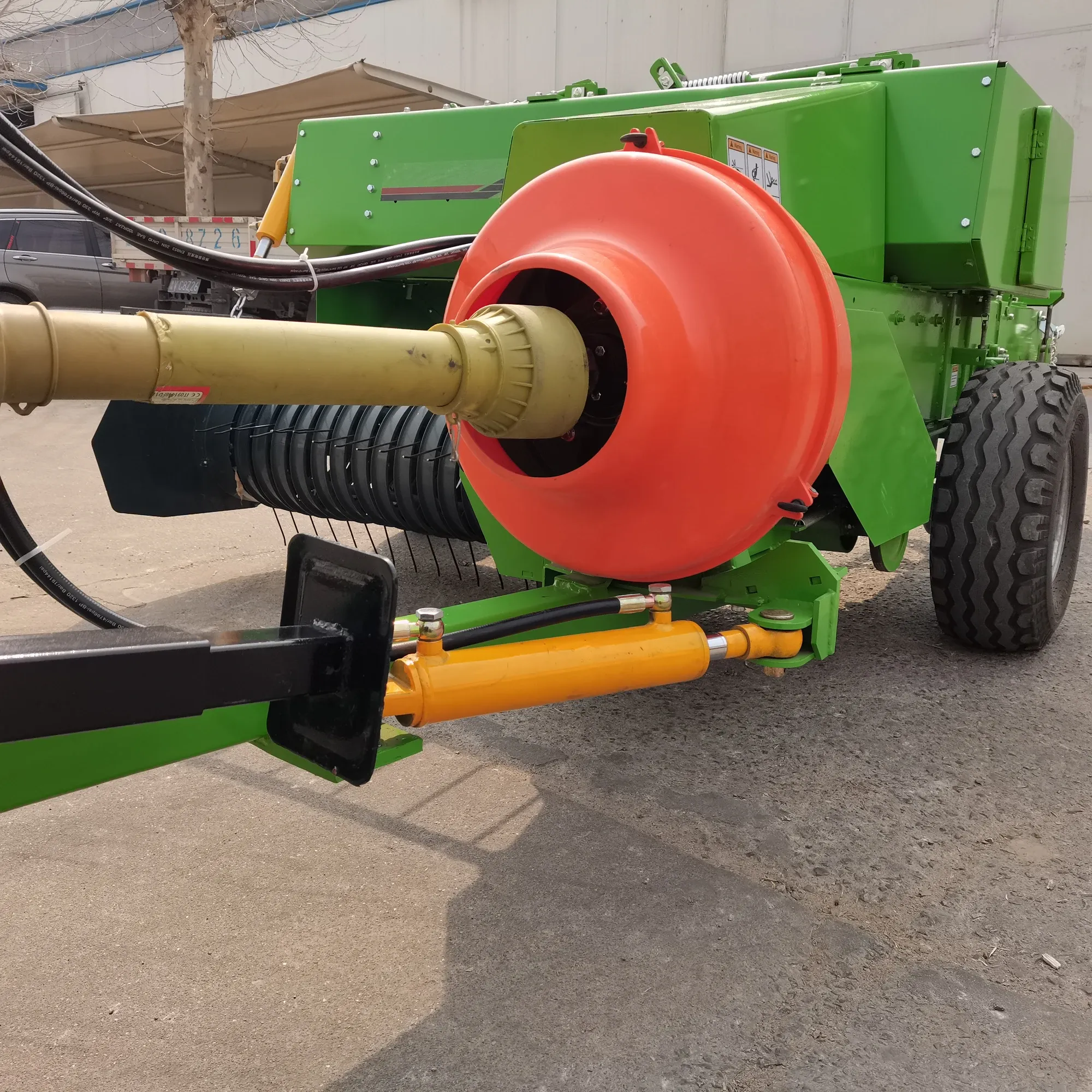
The agricultural PTO shaft and the mini square baler work in tandem to streamline the baling process on a farm. The PTO shaft is a crucial component that connects the tractor’s engine to the baler, transferring power efficiently. This connection allows the baler to operate using the tractor’s power, eliminating the need for an independent engine on the baler itself.
The PTO shaft is designed to handle various power levels and speeds, ensuring that the mini square baler can function optimally. It is equipped with universal joints and telescoping sections to accommodate different tractor-baler setups, allowing flexibility and ease of use across different terrains and field conditions.
The mini square baler, on the other hand, is designed to compress loose straw or hay into small, manageable bales. This type of baler is particularly useful for smaller farms or fields where larger equipment might not be practical. The compact size of the mini baler makes it ideal for producing bales that are easy to handle, stack, and transport.
When the PTO shaft transfers power to the mini square baler, it activates various components within the baler, such as the pickup mechanism, compression chamber, and tying system. The pickup mechanism gathers the material from the ground, feeding it into the baler. Inside the compression chamber, the material is compacted into dense, uniform bales. The tying system then secures the bales with twine or wire, ensuring they maintain their shape during handling and storage.
The synergy between the PTO shaft and the mini square baler enhances productivity by allowing efficient and continuous operation. This setup minimizes downtime and labor costs, as the tractor can easily power the baler across fields, producing consistent and high-quality bales. The combination of these two components is essential for small-scale farming operations, ensuring that the baling process is efficient, reliable, and cost-effective.
Why Choose EVER-POWER’s Hay Square Baler?
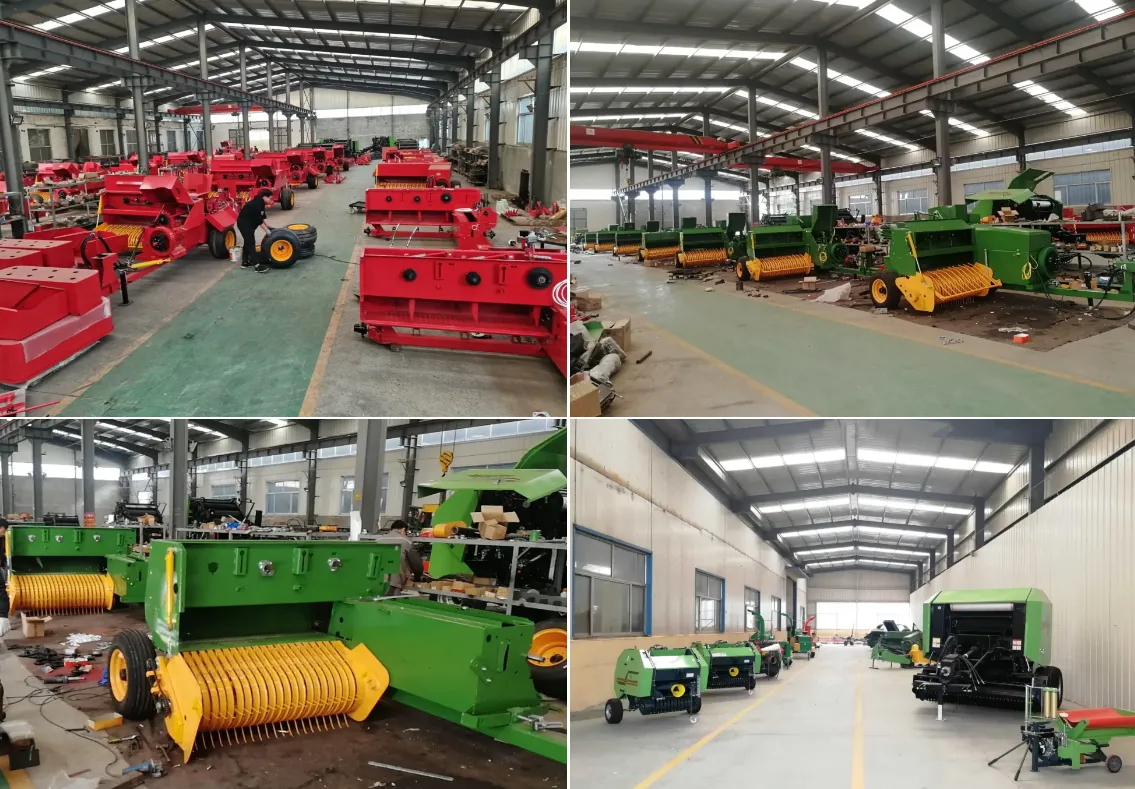
EVER-POWER is a leading manufacturer and supplier specializing in the production and sale of square balers. Our company boasts a robust technical prowess and a large-scale operation, with advanced production facilities and a highly skilled workforce. We pride ourselves on delivering high-quality square balers that are perfect replacements for renowned brands such as John Deere, New Holland, Massey Ferguson, Case IH, Krone, Claas, Kuhn, Vermeer, Hesston, Kubota, AGCO, Challenger, and Welger.
Our square balers are designed with superior features including high-density compression, uniform bale formation, and efficient knotting systems. These advantages ensure excellent performance in collecting, compressing, and baling crops such as hay, straw, and grass. Our balers are widely used in various agricultural settings, from small farms to large-scale agricultural enterprises, enhancing productivity and reducing labor costs.
As a specialist in the square baler field, EVER-POWER has established a strong reputation for expertise and influence. Our commitment to professional excellence is reflected in our international certifications, customized service offerings, and state-of-the-art manufacturing facilities. We provide comprehensive after-sales service to ensure customer satisfaction and long-term reliability of our products.
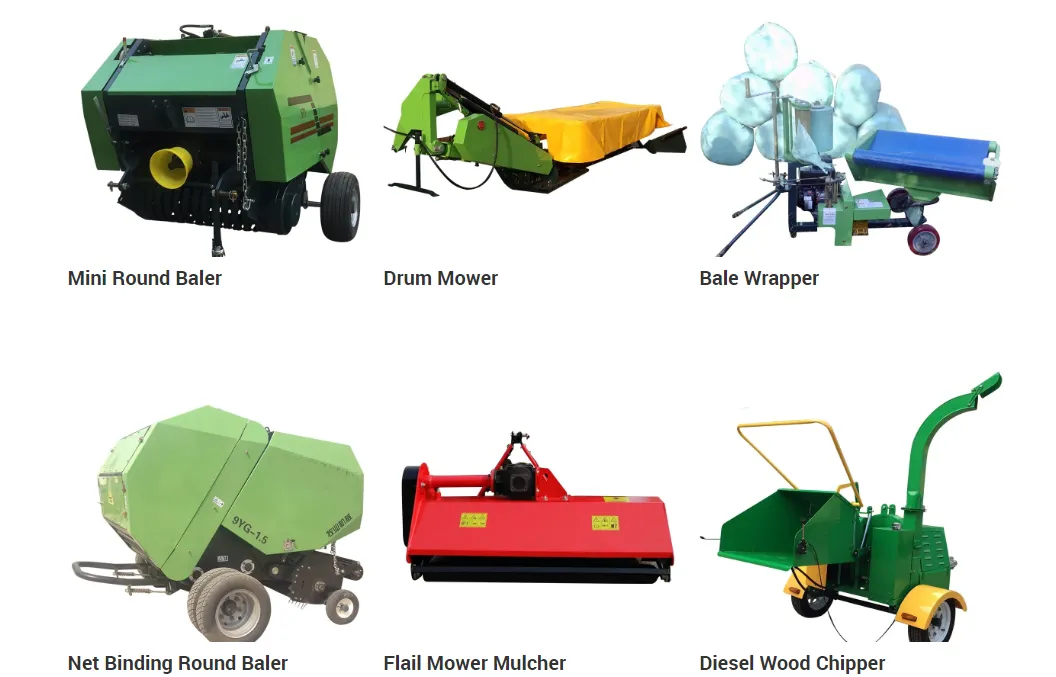
In addition to square balers, we also offer a wide range of agricultural machinery, including PTO shafts, agricultural gearboxes, large round balers, mini round balers, PTO wood chippers, diesel wood chippers, drum mowers, disc mowers, rotary hay rakes, fertilizer spreaders, lawn mowers, sickle bar mowers, rotary mowers, flail mowers, rotary tillers, land levelers, furrow ploughs, disc harrows, disc blades, disc ridgers, disc ploughs, potato planters, potato harvesters, corn seeders, wheat seeders, vegetable seeders, boom sprayers, subsoiler, trailers, finger wheel rake, snow blower, road sweeper, and more. Our diverse product range and commitment to quality make EVER-POWER a trusted partner in the agricultural industry.
Author: Yjx