A tractor-mounted small round baler is an agricultural implement designed for efficiently baling grass and other forage crops into compact, round bales. These balers are typically attached to the rear of a tractor and powered through the tractor’s power take-off (PTO) system. They are ideal for small to medium-sized farms due to their compact size and ease of maneuverability.
The mini round baler operates by picking up cut grass from the field using a pick-up reel. The grass is then fed into a chamber where it is rolled and compressed into a dense, cylindrical shape. Once the desired size and density are achieved, the bale is wrapped with twine or netting to maintain its form. After wrapping, the bale is ejected from the machine onto the ground.
This type of baler is particularly useful for producing bales that are easy to handle and store. It ensures that the forage maintains its nutritional quality by tightly packing the grass, reducing exposure to air and moisture. Additionally, the smaller size of the bales makes them easier to transport and manage, especially in areas with limited storage space.
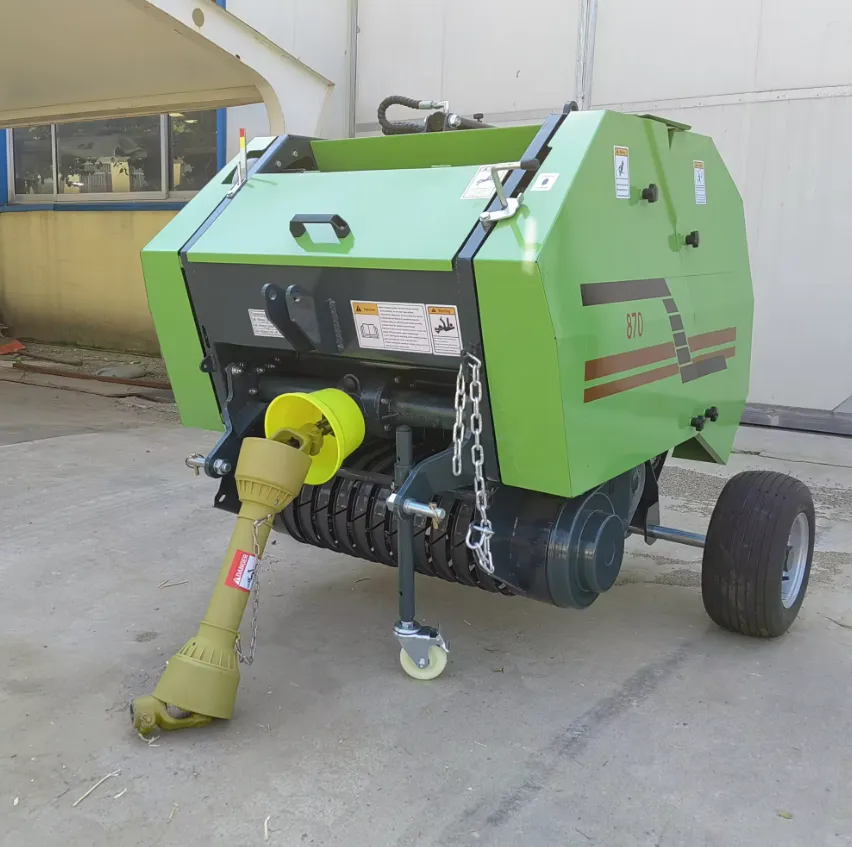
Benefits of Using a Tractor Mount Small Round Baler for Baling Grass
Using a tractor mount small round baler for baling grass offers numerous benefits that significantly enhance agricultural operations. Here are some of the key advantages:
- Efficiency and Speed: Tractor-mounted small round balers streamline the baling process, allowing farmers to collect and package grass quickly. This efficiency is crucial during short harvesting windows, ensuring the grass is preserved at its peak nutritional value. The speed of operation reduces overall field time, maximizing productivity and resource use.
- Improved Storage: The compact bales produced are easier to store, requiring less space than larger bales. This efficient use of storage area is particularly beneficial for farms with limited facilities. Proper storage helps in maintaining the quality of the forage over time, reducing spoilage and ensuring feed availability during lean periods.
- Facilitated Transport: Smaller bales are easier to handle and transport, simplifying logistics for farmers. They can be moved with less specialized equipment, reducing costs and time associated with transportation. This ease of movement allows for quicker distribution and use, whether transporting within the farm or to external locations.
- Reduced Waste: By tightly packing the grass, these balers minimize air exposure and spoilage, leading to reduced waste. This efficient packaging helps preserve the nutritional content of the forage, ensuring that more of the harvested grass is utilized effectively. Reducing waste contributes to better resource management and cost savings.
- Improved Forage Quality: The dense bales protect the forage from air and moisture, which helps in maintaining its nutritional quality. By preserving essential nutrients and preventing spoilage, these balers ensure that livestock receive high-quality feed. This can lead to healthier animals and improved farm productivity over time.
- Versatility: Mini round balers are capable of handling various types of forage, including grass, hay, and straw. This versatility means farmers can use the same equipment across different harvesting needs, maximizing machinery utility. Consistent bale quality across different forage types ensures reliable feed for livestock.
- Reduced Labor Requirements: The automation and efficiency of the baling process significantly reduce the need for manual labor. This is particularly beneficial in areas where labor is scarce or costly. By minimizing labor requirements, farmers can focus their resources on other critical aspects of farm management, improving overall operational efficiency.
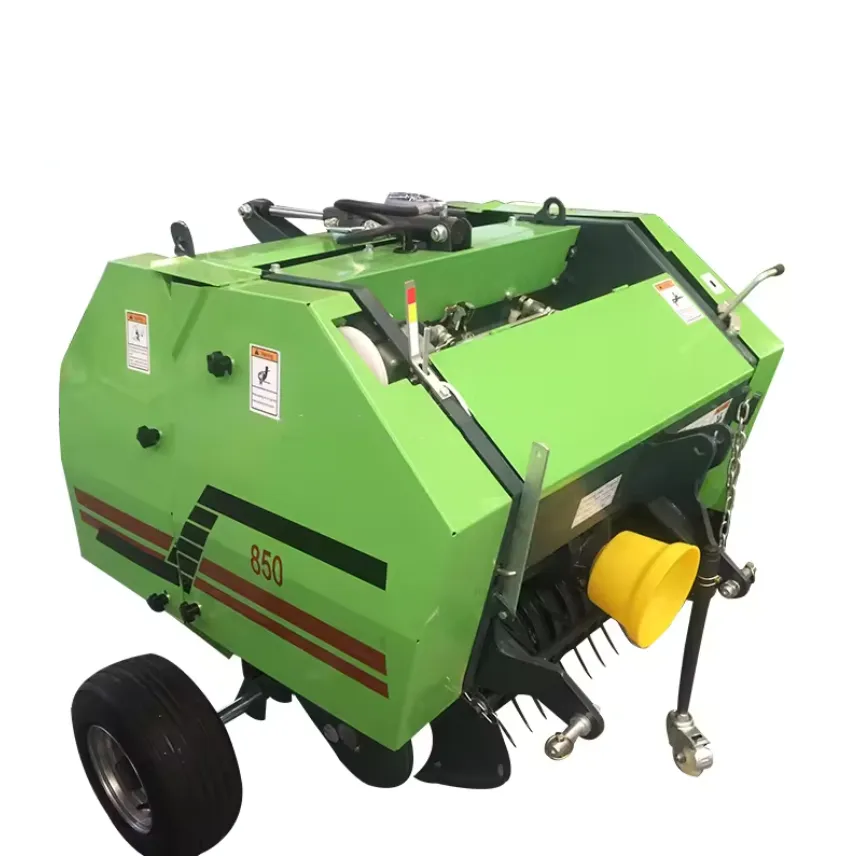
Typical Applications:
Mini round balers are versatile and widely used in various agricultural applications, particularly in small-scale and specialized farming operations. Here are some common applications of mini round balers:
- Grass Baling: Mini round balers efficiently collect and compact grass into manageable bales. This process is crucial for preserving the nutritional content of the grass, making it suitable for feeding livestock. The compact size of the bales makes storage and transport easier, especially for smaller farms with limited space.
- Hay Baling: These balers are ideal for hay baling, ensuring that cut and dried hay is packed tightly. This helps in maintaining the quality and nutritional value of the hay, providing a reliable feed source. The bales are easy to handle, making distribution to feeding areas more convenient.
- Rice Straw Baling: After rice harvests, the remaining straw can be baled using mini round balers. This application helps in efficiently managing rice straw, which can otherwise be cumbersome. The bales can be used for livestock bedding or feed, or for other agricultural purposes, like mulching and composting.
- Wheat Straw Baling: Mini round balers are also used for wheat straw baling. They collect and compress the leftover straw after wheat harvesting, making it easier to store and transport. The baled straw can be utilized for animal bedding, feed supplementation, or as a raw material in various industries.
- Silage Baling: These balers can also be used for silage baling, where forage crops are baled while still moist to ferment and preserve them. This method is essential for creating high-quality silage and providing livestock with a nutritious feed option throughout the year, especially during off-seasons.
- Sorghum Stalks Baling: Mini round balers are effective for baling sorghum stalks, which are often left as a residue after harvesting. Baling these stalks helps in managing crop residues efficiently. The bales can be used as supplementary livestock feed or for other agricultural purposes, enhancing waste utilization.

Key Components of a Small Round Baler
The key components of a small round baler are essential for its efficient and reliable operation. These components work together to compress cut grass or forage into tight, manageable rounds. Here are some of the key components of a small round baler:
- Pickup Reel: The pickup reel is a critical component that gathers the cut forage from the ground and feeds it into the baler. It consists of tines that rotate to lift the material efficiently, ensuring minimal loss. The design and speed of the reel are crucial for effective gathering and continuity of the baling process.
- Bale Chamber: The bale chamber is where the forage is compressed and formed into a round bale. It consists of belts or rollers that rotate to shape and compact the material. The chamber’s design ensures consistent bale density, which is important for storage and handling. Proper compression also helps preserve the forage quality.
- Drive System: Powered by the tractor’s power take-off (PTO), the drive system operates the various moving parts of the baler. This system includes chains, belts, and gears that transmit power to the pickup reel, bale chamber, and other components. Its efficiency and reliability are essential for smooth operation and minimal downtime.
- Twine or Net Wrap System: This system wraps the finished bale with twine or netting to hold its shape. It ensures that the bale remains compact during handling and storage. The choice between twine and net wrap can affect the speed of the wrapping process and the protection level against environmental factors like moisture.
- Hydraulic System: The hydraulic system facilitates adjustments and operations such as opening the bale chamber and controlling tension. It provides the necessary force to perform these tasks efficiently. A reliable hydraulic system ensures that the baler can adapt to varying field conditions and forage types, enhancing versatility and performance.
- Bale Ejection System: Once the bale is completed and wrapped, the bale ejection system releases it from the chamber onto the ground. This system usually involves a mechanism that tilts the chamber or uses rollers to push the bale out. Efficient ejection is crucial for maintaining workflow and preparing the baler for the next cycle.
- Chassis and Frame: The chassis and frame provide structural support and stability to the baler. They are designed to withstand the rigors of fieldwork and transport. A robust frame ensures that all components remain aligned and function correctly, contributing to the baler’s durability and longevity over multiple seasons.
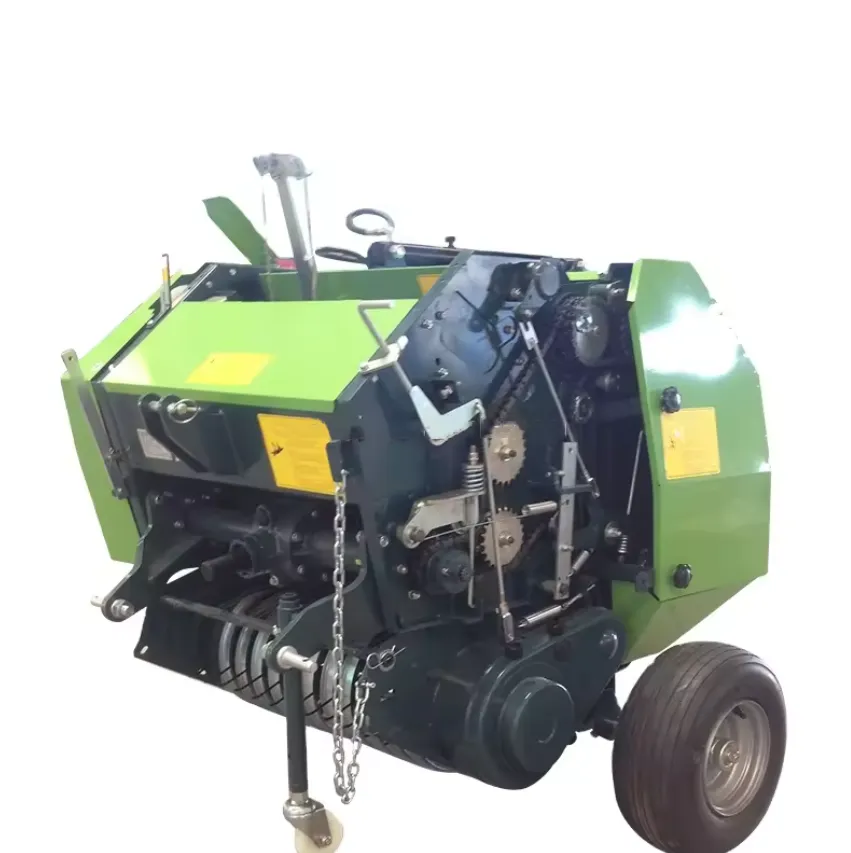
Working Principle:
The working principle of a tractor-mounted PTO drive mini round baler for grass baling involves several key steps that efficiently transform loose hay or grass into compact, round bales. Here’s a detailed overview of the process:
- Power Transmission: The baler is powered by the tractor’s power take-off (PTO) system. As the tractor moves, the PTO shaft transfers rotational power to the baler, activating its components. This power is essential for operating the pickup reel, bale chamber, and other mechanisms, ensuring the baler functions effectively in the field.
- Grass Collection: The pickup reel gathers cut grass from the field as the baler moves forward. Rotating tines lift the forage, directing it into the baler. This process minimizes grass loss and ensures a steady flow of material into the machine. Efficient grass collection is crucial for maintaining continuous operation and maximizing productivity.
- Feeding and Compression: Once inside the baler, the grass is fed into the bale chamber. Here, belts or rollers rotate to compress and shape the grass into a round bale. The chamber’s design ensures uniform compression, which is vital for creating dense, well-formed bales that are easy to handle and store.
- Bale Formation: As the chamber fills, the grass is continuously rolled and compacted, gradually forming a cylindrical bale. Sensors or indicators monitor the size and density of the bale. Consistent bale formation is important for maintaining quality and ensuring that each bale meets specific standards for size and weight.
- Wrapping Process: Once the desired bale size is achieved, the wrapping system engages to secure the bale with twine or netting. This wrapping keeps the bale intact, protecting it from external elements like moisture. The choice of wrapping material can influence the speed and effectiveness of this process, impacting overall efficiency.
- Bale Ejection: After wrapping, the bale ejection system releases the completed bale from the chamber. This is often done by tilting the chamber or using rollers to push the bale out. Quick and efficient ejection is essential for maintaining workflow, allowing the baler to promptly begin forming the next bale.
- Repeat Cycle: The baler is then ready to repeat the cycle, continuing to collect and bale grass as the tractor moves forward. This repetitive process ensures that large areas can be covered efficiently, with minimal downtime between bales. The continuous cycle maximizes throughput and enhances overall productivity on the farm.
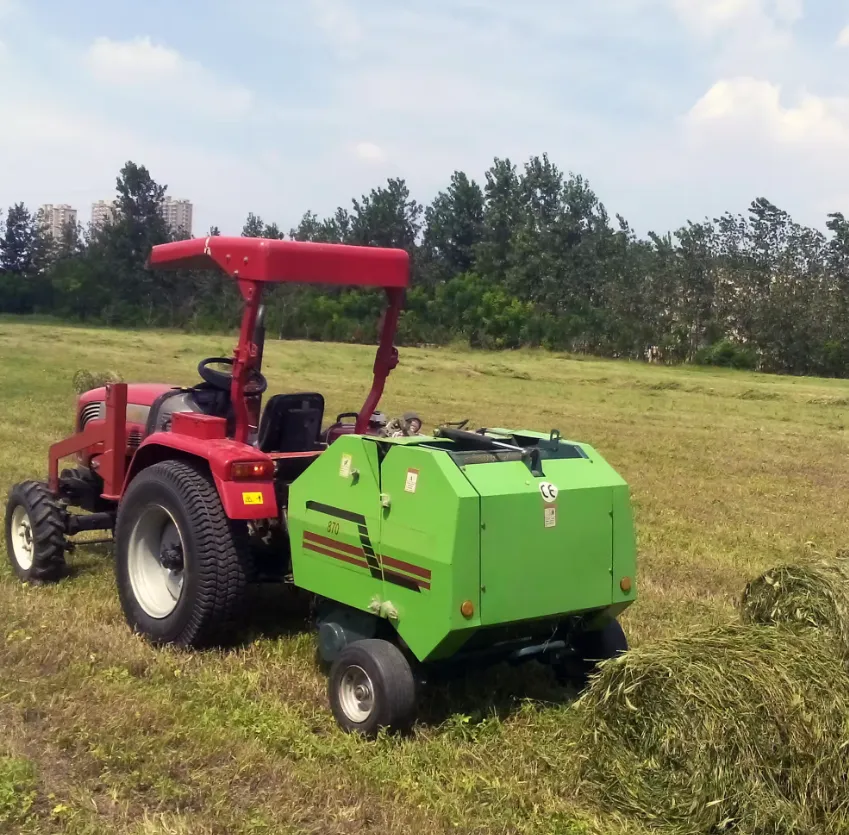
Installation Steps of PTO Driven Mini Round Hay Baler to Tractor
Installing a PTO driven mini hay round baler on a tractor involves several steps to ensure it’s correctly connected for safe and efficient operation. Here is a detailed guide on how to do it:
- Positioning the Baler: Start by positioning the tractor and baler on a flat, stable surface. Ensure that the tractor is parked securely and turned off. Align the tractor’s hitch with the baler’s tow bar. Proper alignment is crucial for safe and efficient attachment, minimizing the risk of accidents during the installation process.
- Attaching the Tow Bar: Connect the baler’s tow bar to the tractor’s hitch. Use the appropriate hitch pin to secure the connection tightly. Ensure that safety clips are in place to prevent accidental detachment. This secure attachment is essential for stability and maneuverability while operating the baler in the field.
- Connecting the PTO Shaft: Align the baler’s PTO shaft with the tractor’s PTO output. Slide the shaft over the tractor’s PTO stub and lock it in place using the provided locking mechanism. Ensure that the shaft is securely fastened to prevent disconnection during operation. Proper connection is vital for transmitting power efficiently to the baler.
- Adjusting the PTO Shaft Length: Check the PTO shaft length to ensure it is neither too long nor too short. Adjust the shaft by sliding it to the appropriate length, allowing for smooth operation without strain. An incorrect length can cause damage to the shaft or machinery, so precise adjustment is necessary for optimal performance.
- Securing Hydraulic Connections: Attach the hydraulic hoses from the baler to the tractor’s hydraulic outlets, ensuring that they are connected to the correct ports. Secure the connections tightly to prevent leaks. Proper hydraulic setup is important for operating any hydraulic functions on the baler, such as lifting or tension adjustments.
- Testing the Setup: Before heading to the field, test the baler setup by slowly engaging the PTO and hydraulic systems. Check for any unusual noises or vibrations, and ensure that all components are functioning properly. This preliminary test helps identify any issues that need addressing, ensuring safe operation.
- Final Safety Inspection: Conduct a thorough inspection of all connections, ensuring everything is secure and properly aligned. Check that the safety guards and shields are in place. Confirm that all adjustments and settings are appropriate for the intended baling conditions. A final safety check ensures readiness and reduces the risk of accidents.

Operation Precautions:
Operating a PTO drive small round baler for grass baling requires careful attention to safety and proper machine operation. The following precautions should be followed to ensure efficient and safe baling:
- Proper PTO Connection: Ensure the PTO shaft is securely connected between the tractor and baler before operation. Double-check that all safety shields are in place to prevent accidents. An improper connection can lead to mechanical failures or accidents, so thorough inspection and secure attachment are essential.
- Regular Maintenance Checks: Perform routine maintenance checks on the baler before use. Inspect belts, chains, and other moving parts for wear and tear. Lubricate necessary components to ensure smooth operation. Regular maintenance prevents unexpected breakdowns and extends the lifespan of the baler, ensuring reliable performance in the field.
- Monitor Bale Density: Adjust the baler settings to achieve the desired bale density. Monitoring the density is crucial to ensure bales are neither too loose nor too tight. Properly dense bales improve storage efficiency and maintain forage quality, while also reducing the risk of bale deformation during handling.
- Safe Operation Speeds: Operate the baler at recommended speeds to ensure effective pickup and baling. Excessive speed can lead to inefficient grass collection and potential damage to the baler components. Maintaining a controlled speed ensures optimal equipment performance and reduces stress on mechanical parts.
- Clear Field of Debris: Before starting, clear the field of rocks, branches, and other debris that could damage the baler. Foreign objects can cause blockages or damage to the pickup reel and other parts. A clean field not only protects the equipment but also ensures consistent bale quality by preventing contamination.
- Properly Wrapped Bales: Ensure that the wrapping system is functioning correctly to secure bales with twine or netting. Improperly wrapped bales can fall apart, leading to forage loss and handling difficulties. Regularly check the wrapping mechanism for issues, ensuring that each bale is tightly and securely bound.

Why Choose EVER-POWER’s Mini Round Baler?
Ever-Power Group is a leading company specializing in the production and sale of mini round balers. With advanced manufacturing facilities and robust technical expertise, we are dedicated to providing high-quality agricultural machinery to our customers. Our mini round balers are renowned for their compact design and efficient performance, tailored specifically for small to medium-sized farms. These balers can efficiently collect, compact, and bale hay, straw, and silage, making them versatile for various agricultural applications.
As experts in the mini round baler industry, Ever-Power Group has a significant influence and professional reputation. Our products have obtained multiple international certifications, ensuring they meet global quality and safety standards. We also offer customization services to meet the unique needs of our clients. With state-of-the-art production facilities and an experienced technical team, we ensure every machine we produce delivers optimal performance.
In addition to mini round balers, we offer a wide range of agricultural machinery products, including PTO shaft, agricultural gearbox, large round baler, hay square balers, PTO wood chippers, diesel wood chippers, drum mowers, disc mowers, rotary hay rakes, fertilizer spreaders, lawn mowers, sickle bar mowers, rotary mowers, flail mowers, rotary tillers, land levelers, furrow ploughs, disc harrows, disc blades, disc ridgers, disc ploughs, potato planters, potato harvesters, corn seeders, vegetable seeders, post hole diggers, boom sprayers, agricultural subsoiler, agricultural trailers, finger wheel rake, snow blower, and more.
We not only provide top-notch products but are also committed to delivering comprehensive after-sales service to ensure our customers have a worry-free experience. Ever-Power Group continues to uphold the principles of professionalism, innovation, and customer-centricity, driving advancements in the agricultural machinery sector.

Author: Yjx