The large round baler for heavy-duty baling is an advanced agricultural machine designed to efficiently handle high volumes of hay, straw, or other forage crops. This baler is engineered for durability and performance, capable of producing tightly packed, uniform bales even under the most demanding conditions. Equipped with a robust frame and heavy-duty components, it ensures longevity and reliability in rugged terrains and large-scale farming operations.
The baler features a wide pickup width to gather more crops in each pass, reducing the number of required passes and increasing productivity. Additionally, its advanced net-wrapping system secures the bales effectively, preventing spoilage and facilitating easier handling and storage. The machine is also equipped with intuitive controls and automated systems to optimize the baling process, ensuring consistent bale density and size. With its high-capacity bale chamber and powerful hydraulic system, the large round baler is ideal for farmers looking to maximize efficiency and throughput in their baling operations.
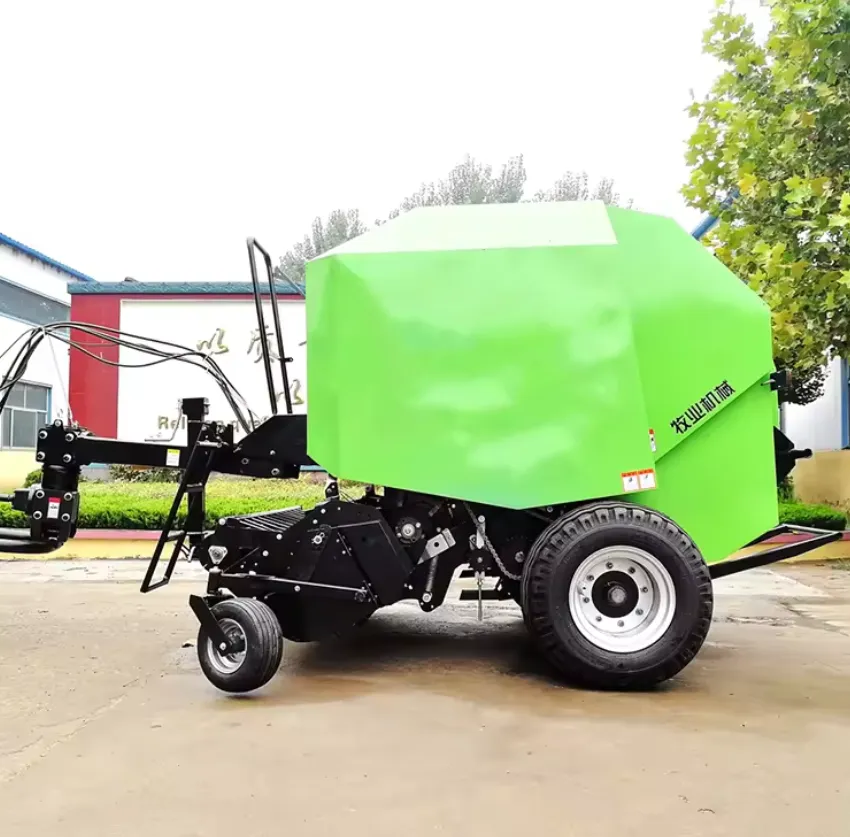
Advantages of Large Round Baler for Heavy-Duty Baling
The large round baler for heavy-duty baling offers numerous advantages for farmers and agricultural professionals, making it a preferred choice for large-scale baling operations. Some of the key benefits include:
1. High Efficiency and Productivity
The Large Round Baler for Heavy-Duty Baling significantly enhances productivity by reducing the number of passes needed to gather crops, thanks to its wide pickup width. This efficiency translates to time savings and lower fuel costs, making it an ideal choice for large-scale farming operations. The machine’s ability to handle large volumes in a single pass also reduces wear and tear on the equipment, further extending its lifespan.
2. Durability and Longevity
Built with a robust frame and heavy-duty components, this baler is designed to withstand the rigors of demanding agricultural environments. Its durable construction ensures it can handle tough crops and challenging terrains without compromising performance. Farmers can rely on this baler season after season, minimizing downtime and maintenance costs.
3. Consistent Bale Quality
The advanced net-wrapping system and powerful hydraulic system ensure that each bale is tightly packed and uniformly shaped. This consistency in bale density and size is crucial for easy handling, transportation, and storage. Uniform bales also lead to better preservation of the crop’s nutritional value, which is essential for feed quality.
4. Versatility in Crop Handling
This baler can efficiently handle a variety of forage crops, including hay, straw, and silage. Its versatility makes it a valuable asset for diverse farming operations, allowing farmers to switch between different types of crops without needing multiple machines. This adaptability also means that the baler can be used throughout different seasons, maximizing its utility.
5. Enhanced Safety Features
Safety is a priority with the Large Round Baler, which includes several built-in safety features. These may include automatic shut-off systems, protective guards, and emergency stop buttons to prevent accidents and ensure the operator’s safety. The thoughtful design helps to mitigate the risks associated with heavy-duty agricultural machinery.
6. Reduced Maintenance Requirements
Thanks to its durable construction and high-quality components, the Large Round Baler requires less frequent maintenance compared to other balers. When maintenance is needed, the machine is designed for easy access to critical parts, simplifying repairs and reducing downtime. This low-maintenance design contributes to lower overall operating costs.
7. Environmental Benefits
By producing tightly packed bales, the baler reduces the amount of plastic netting or twine needed, which is beneficial for the environment. Additionally, the efficient baling process minimizes crop waste, ensuring that more of the harvested crop is utilized. This efficiency supports sustainable farming practices and helps reduce the ecological footprint of agricultural operations.
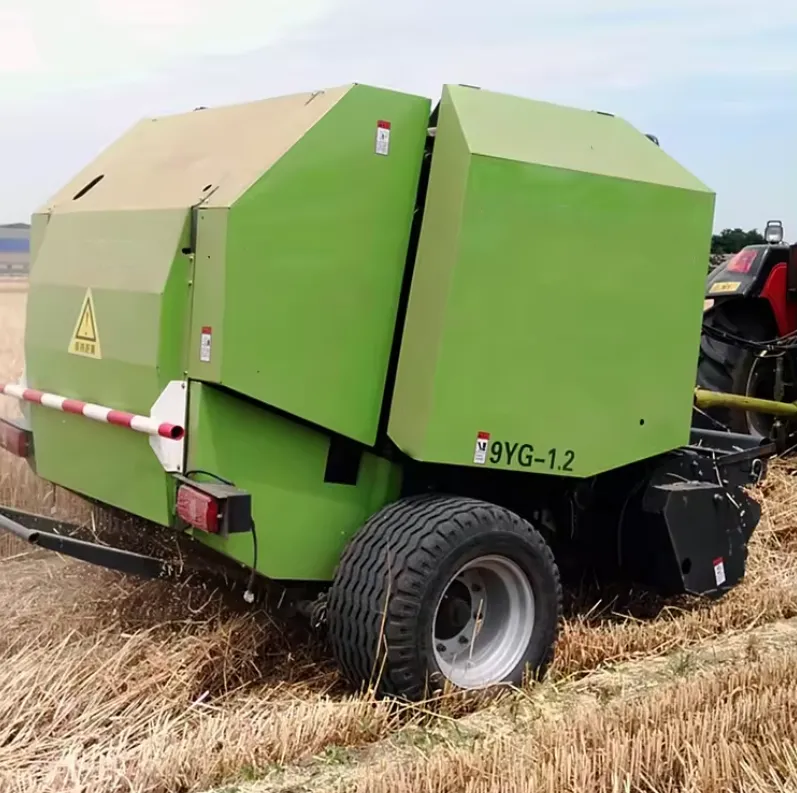
Typical Applications:
The tractor mount large round baler is a versatile piece of machinery with a wide range of applications in agricultural operations. Here are some of the primary uses:
1. Hay Baling
The tractor mount large round baler is highly efficient for hay baling, providing tightly packed bales that are easy to transport and store. It ensures the preservation of hay’s nutritional quality, which is vital for livestock feed. The baler’s wide pickup width and powerful compression capabilities allow for quick and efficient gathering and baling of hay, making it an indispensable tool for hay producers.
2. Rice Straw Baling
Rice straw baling is another key application for the tractor mount large round baler. This baler can handle the unique texture and density of rice straw, creating uniform bales that are suitable for various uses such as bedding, feed, and biofuel production. The machine’s robust design ensures that even the tougher rice straw is baled effectively, reducing labor and time costs.
3. Wheat Straw Baling
For wheat straw baling, the tractor mount large round baler excels by producing consistent, densely packed bales. These bales are ideal for livestock bedding and feed, as well as for use in erosion control and composting. The baler’s efficiency in gathering and compressing wheat straw helps farmers manage post-harvest residues effectively, turning a byproduct into a valuable resource.
4. Silage Baling
Silage baling requires a baler that can handle high-moisture forage crops. The tractor mount large round baler is designed to produce airtight bales that preserve the nutritional quality of the silage. This application is crucial for dairy and beef cattle operations, where high-quality silage is essential for maintaining livestock health and productivity. The baler’s ability to create tightly sealed bales helps in preventing spoilage and ensuring long-term storage.
5. Barley Straw Baling
Barley straw is another crop that benefits from the capabilities of the tractor mount large round baler. The machine efficiently gathers and compresses barley straw into uniform bales, which can be used for livestock bedding, feed, and various industrial applications. The baler’s design ensures minimal loss of material during the baling process, maximizing the yield from barley straw.
6. Corn Stalk Baling
Corn stalk baling presents a challenge due to the stalks’ tough and fibrous nature. The tractor mount large round baler is equipped to handle this task, producing tightly packed bales that are easy to handle and store. Corn stalk bales are used for livestock feed, bedding, and as a biofuel source. The baler’s efficiency in processing corn stalks helps farmers manage crop residues effectively and turn them into a valuable commodity.

Working Principle of PTO Driven Large Round Baler for Heavy-Duty Baling
The working principle of a large round baler for heavy-duty baling involves several key stages that transform loose forage into tightly packed, uniform bales. Here’s a detailed description of the process:
1. Power Transmission
The baler is attached to the tractor via the three-point hitch system, and the tractor’s PTO shaft is connected to the baler’s input shaft. When the tractor’s engine is engaged, it transfers power through the PTO shaft to drive the baler’s internal mechanisms.
2. Pickup Mechanism
As the tractor moves forward, the baler’s pickup mechanism, consisting of rotating tines, lifts the loose forage (hay, straw, silage, etc.) from the ground and feeds it into the baler chamber. The pickup width is designed to cover a large area, ensuring maximum crop collection with each pass.
3. Feeding System
The forage is then transferred to the baler’s feeding system, typically consisting of a series of augers or conveyor belts that move the material towards the bale chamber. This system ensures a continuous and even flow of forage into the chamber, preventing blockages and ensuring consistent bale formation.
4. Bale Formation
Inside the bale chamber, the forage is rolled into a cylindrical shape by a combination of rollers and belts. As more forage is fed into the chamber, the bale grows in size. The tension of the belts and the speed of the rollers are carefully regulated to ensure the forage is tightly compressed, forming a dense and uniform bale.
5. Net-Wrapping or Twine-Wrapping
Once the bale reaches the desired size, the wrapping mechanism is activated. Depending on the baler model, this can involve either net-wrapping or twine-wrapping. The wrapping material is automatically dispensed and wrapped around the bale to secure it. This step is crucial for maintaining the bale’s shape and protecting it during handling and storage.
6. Bale Ejection
After the bale is securely wrapped, the rear gate of the baler opens, and the bale is ejected onto the ground. The gate then closes, and the baler is ready to start forming the next bale. The ejection process is designed to be quick and efficient, minimizing downtime between bales.

Maintenance Tips:
Proper maintenance of a large round baler is crucial for ensuring its longevity and reliable performance. Here are some essential maintenance tips:
1. Regular Inspection and Cleaning
Regularly inspecting and cleaning the PTO-driven large round baler is crucial for its optimal performance. After each use, remove all crop residues, dirt, and dust. This prevents blockages and reduces wear on moving parts. By identifying early signs of wear or damage, you can address potential issues before they become major problems, ensuring smooth operation and extending the baler’s lifespan.
2. Lubrication
Proper lubrication is essential to reduce friction and wear on the baler’s moving parts. Regularly lubricate chains, bearings, and rollers using high-quality lubricants as recommended by the manual. Check for and address any signs of oil leaks promptly. Consistent lubrication minimizes wear, maintains efficiency, and prevents costly breakdowns, ensuring the machine runs smoothly.
3. Belt and Chain Tension
Maintaining correct tension in all belts and chains is critical for efficient operation. Regularly inspect and adjust the tension as needed to prevent slippage or excessive strain on components. Replace worn or damaged belts and chains to avoid operational inefficiencies and to ensure that the baler operates effectively and consistently.
4. Blade and Tine Maintenance
Inspect the pickup tines and cutting blades regularly for signs of wear and damage. Sharp blades and well-maintained tines are vital for efficient crop pickup and cutting. Replace any bent or broken tines and sharpen or replace blades as necessary. This ensures the baler performs optimally, cutting and gathering crops efficiently.
5. Monitor Hydraulic System
Regularly check the hydraulic system for leaks, proper fluid levels, and the condition of hoses. Ensure that all hydraulic connections are secure and that the fluid is clean and at the correct level. Replace worn or damaged hoses to maintain system efficiency and prevent hydraulic failures, which can cause downtime and reduce productivity.
6. Net-Wrapping or Twine-Wrapping Mechanism
Regularly inspect the wrapping mechanism to ensure it operates correctly. Check for worn or damaged components and replace them as necessary. Ensure the net or twine feeds correctly and that the tension is properly adjusted to avoid wrapping issues. Proper wrapping secures bales and maintains their quality during handling and storage.
7. Bale Chamber and Rollers
Inspect the bale chamber and rollers for signs of wear, damage, or debris buildup. Regularly clean these components to ensure smooth bale formation and ejection. Replace worn or damaged rollers to maintain optimal bale quality. A well-maintained bale chamber and rollers contribute to the baler’s efficiency and the consistency of the bales produced.
8. PTO Shaft Maintenance
Check the PTO shaft for wear or damage and ensure it is properly lubricated. Secure connections to the tractor and baler are essential. Replace any worn or damaged components promptly to prevent operational issues. Proper PTO shaft maintenance ensures efficient power transmission and the baler’s reliable performance.
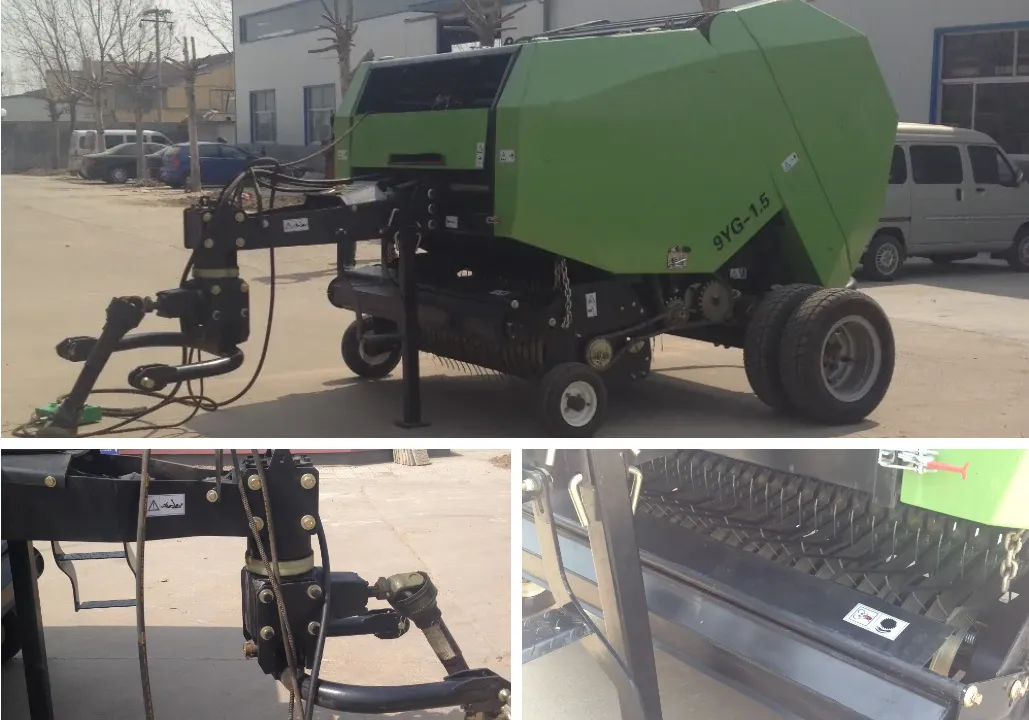
Selecting the Right Large Round Baler for Your Needs
Selecting the right large round baler for your agricultural needs involves considering several key factors to ensure you get the most efficient and effective machine for your operation. Here’s a comprehensive guide to help you make an informed decision:
1. Understand Your Crop Type and Volume
Different crops have different baling requirements. Determine the types of crops you’ll be baling (e.g., hay, straw, silage) and their respective volumes. Some balers are specifically designed for handling heavy-duty crops like corn stalks and rice straw, while others are more suited for lighter materials like hay. Matching the baler to your crop type ensures optimal performance and efficiency.
2. Evaluate Bale Size and Density Requirements
Consider the size and density of bales you need. Larger and denser bales reduce the number of bales produced, saving time on handling and transportation. However, they require a more powerful baler. Evaluate your storage and transportation capabilities to choose a baler that produces bales of the right size and density for your operations.
3. Assess Your Tractor’s Capabilities
Ensure your tractor can handle the power and hydraulic requirements of the baler. Check the tractor’s PTO horsepower, hydraulic flow rate, and lift capacity. The baler should be compatible with your tractor’s specifications to ensure efficient and safe operation. Using an underpowered tractor can lead to inefficient baling and potential damage to both the tractor and the baler.
4. Consider Baler Features and Technology
Modern balers come with various features that enhance efficiency and ease of use. Look for features such as automatic wrapping systems, moisture sensors, and density control. Advanced control systems can provide real-time feedback and automation, reducing operator fatigue and improving bale quality. Choose a baler with features that match your operational needs and budget.
5. Maintenance and Durability
Select a baler known for its durability and ease of maintenance. Consider the quality of materials and construction, as well as the availability of spare parts and service support. A durable baler with low maintenance requirements will reduce downtime and operating costs over time, ensuring long-term reliability and performance.
6. Field Conditions and Terrain
Consider the typical field conditions and terrain where the baler will operate. Some balers are better suited for rough or uneven terrain, with features like robust frames and advanced suspension systems. Ensure the baler you choose can handle the specific challenges of your fields to maintain efficiency and prevent damage.
7. Compatibility with Existing Equipment
Ensure that the baler is compatible with your existing equipment, such as rakes and tedders. Compatibility reduces the need for additional investments and ensures a seamless integration into your current farming operations. Check for matching hitch systems and operational requirements to avoid compatibility issues.

Agricultural PTO Shaft for Large Round Baler
The agricultural PTO shaft is a crucial component that facilitates the transfer of power from a tractor to various agricultural implements, including the large round baler. The PTO shaft connects to the tractor’s PTO output and the baler’s input shaft, allowing the tractor’s engine to power the baler’s internal mechanisms. This connection enables the baler to perform its functions efficiently and reliably in heavy-duty baling operations.
The large round baler is designed to gather, compress, and wrap forage crops into tightly packed, cylindrical bales. The baler’s operation depends on the continuous and robust power supplied by the PTO shaft. As the tractor moves through the field, the PTO shaft drives the baler’s pickup mechanism, which collects the crop from the ground. The gathered forage is then fed into the bale chamber, where it is rolled and compressed into a dense bale.
The efficiency and effectiveness of the large round baler are directly linked to the performance of the PTO shaft. A well-maintained and properly functioning PTO shaft ensures that the baler operates smoothly, with consistent power delivery allowing for uniform bale formation. The PTO shaft’s ability to transmit high torque from the tractor to the baler is essential for handling the heavy-duty demands of large-scale baling, including dense crops like hay, straw, and silage.
The agricultural PTO shaft serves as the vital link between the tractor and the large round baler, enabling the transfer of power necessary for efficient baling operations. This connection ensures that the baler can perform its tasks effectively, producing high-quality bales that are easy to handle, transport, and store.
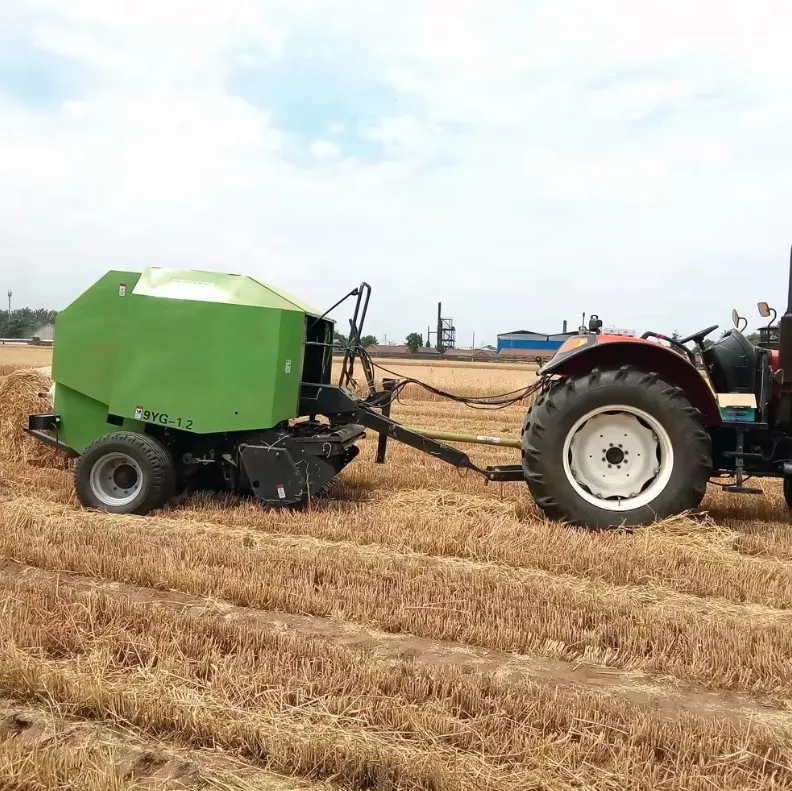
Why Choose EVER-POWER’s Large Round Baler?
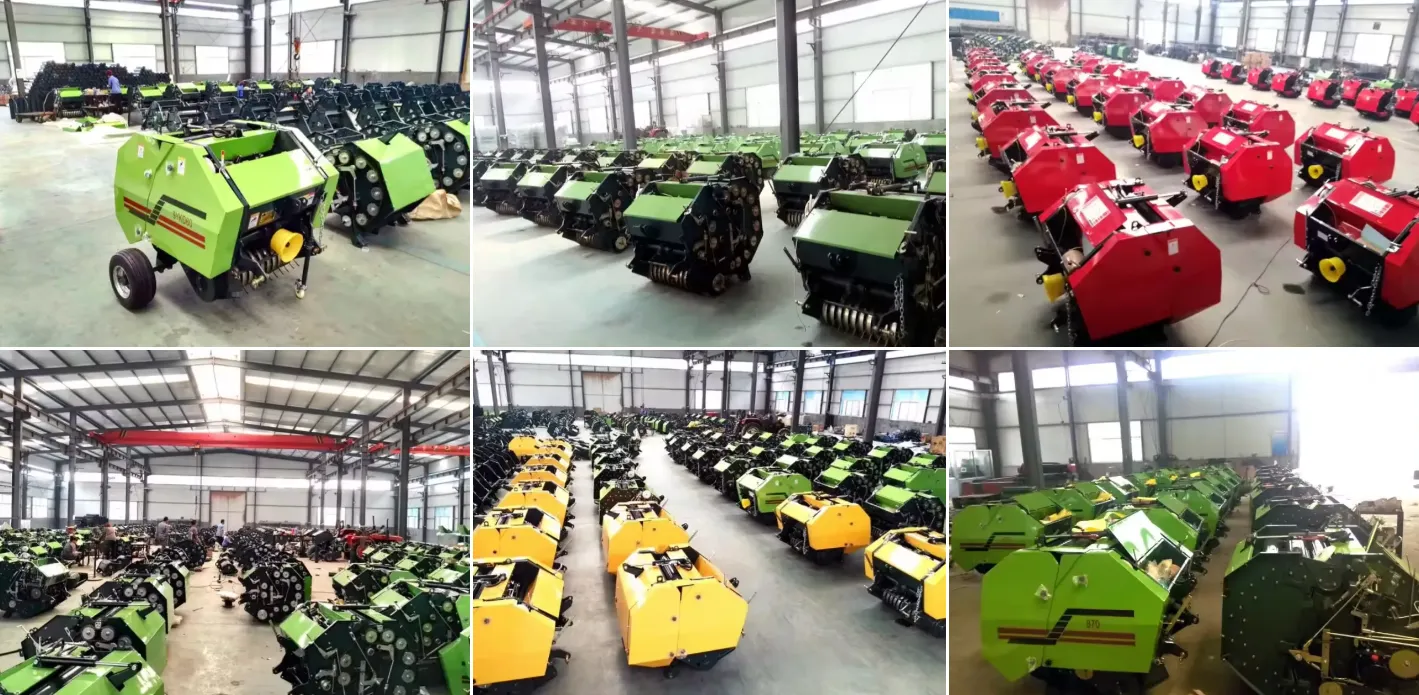
EVER-POWER is a leading manufacturer and supplier specializing in the production and sale of high-quality agricultural equipment, particularly Large Round Balers. With extensive experience and state-of-the-art production facilities, our company has established itself as a key player in the agricultural machinery industry. Our team of skilled engineers and technicians ensures that we stay at the forefront of technology and innovation, delivering products that meet the highest standards of quality and performance.
Our large round balers are designed to be perfect replacements for well-known brands such as John Deere, New Holland, Case IH, Massey Ferguson, Claas, Vermeer, Krone, Kubota, McHale, Vicon, Fendt, Kuhn, Challenger, AGCO, Hesston, Lely, and Welger. These balers are engineered for durability, efficiency, and reliability, making them ideal for heavy-duty baling operations. They feature robust construction, advanced net-wrapping systems, and high-capacity bale chambers, ensuring consistent bale density and size. Applications include hay, straw, silage, and other forage crops, providing optimal solutions for diverse farming needs.
EVER-POWER’s expertise and influence in the large round baler sector are reflected in our commitment to quality, international certifications, and customized services. Our production facilities are equipped with the latest machinery, and our comprehensive after-sales support ensures customer satisfaction. In addition to Large Round Balers, we offer a wide range of agricultural equipment, including PTO shaft, agricultural gearbox, PTO wood chippers, corn seeders, drum mowers, rotary hay rakes, flail mowers, lawn mowers, sickle bar mowers, rotary mowers, rotary tillers, land levelers, fertilizer spreaders, disc harrows, disc blades, disc ridgers, potato planters, potato harvesters, wheat seeders, vegetable seeders, post hole diggers, boom sprayers, agricultural subsoilers, agricultural trailers, disc mowers, finger wheel rakes, snow blowers, and more.
Our dedication to excellence and innovation has made us a trusted name in the industry, and we continue to strive for the highest standards in product development and customer service.
Author: Yjx