Torsional Wind-up Compensation Techniques
Introduction
Torsional wind-up is a common problem that occurs in drivetrains when a vehicle is turning. This problem can cause excessive wear and tear on the drivetrain components, leading to costly repairs and maintenance work. Torsional wind-up is particularly problematic in heavy-duty vehicles and machinery, where the forces involved are significant. In this article, we will explore some of the techniques used to compensate for torsional wind-up, and how they can help to prolong the life of drivetrain components.
What is Torsional Wind-up?
Torsional wind-up, also known as driveline wind-up, occurs when a drivetrain component is subjected to opposing forces that cause it to twist. This problem often occurs when a vehicle is turning, as the inside wheels travel a shorter distance than the outside wheels. This difference in distance causes the drivetrain components to twist, creating torsional stress. If this torsional stress is not relieved, it can cause drivetrain components to fail prematurely.
Compensation Techniques
Spring Devices
One common technique used to compensate for torsional wind-up is the use of spring devices. These devices are designed to absorb and release torsional energy, helping to prevent excessive twisting of the drivetrain components. Spring devices can take many forms, including torsion bars, leaf springs, and coil springs. The selection of the appropriate spring device will depend on the specific application.
Clutch Devices
Another technique used to compensate for torsional wind-up is the use of clutch devices. Clutch devices work by selectively engaging and disengaging the drivetrain components, helping to relieve torsional stress. Clutch devices can take many forms, including viscous couplings, torque converters, and electromagnetic clutches.
Planetary Gearbox/Reducer
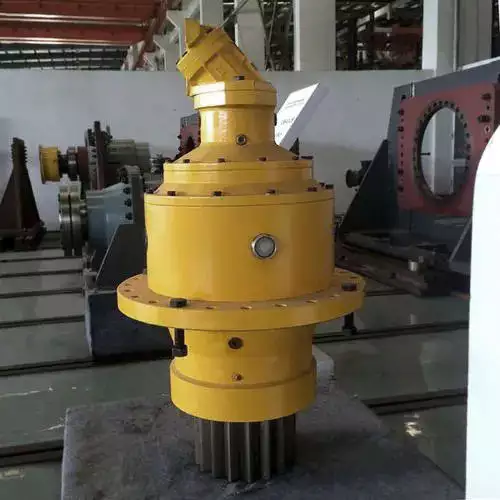
Planetary gearbox/reducer is a common technique used to compensate for torsional wind-up in heavy-duty vehicles and machinery. Planetary gear systems work by distributing the torque load across multiple gears, reducing the torsional stress on each individual gear. Planetary gear systems are particularly effective at compensating for torsional wind-up in high-torque applications.

Conclusion
Torsional wind-up is a common problem that can cause significant damage to drivetrain components. Fortunately, there are several techniques available to compensate for torsional wind-up, including spring devices, clutch devices, and planetary gear systems. By using these techniques, it is possible to prolong the life of drivetrain components and reduce the need for costly repairs and maintenance work.
Planetary Gearbox/Reducer Purchase Guide
| Consideration | Recommendation |
|---|---|
| Load Capacity | Choose a planetary gearbox/reducer with a load capacity that is appropriate for the application. |
| Torque Capacity | Choose a planetary gearbox/reducer with a torque capacity that is appropriate for the application. |
| Efficiency | Choose a planetary gearbox/reducer with a high efficiency rating to minimize energy losses. |
| Cost | Choose a planetary gearbox/reducer that provides the required performance at a competitive price. |
About Our Company
At our company, we are dedicated to the research, design, and manufacture of planetary gearboxes/reducers. Our products are designed to provide reliable and efficient performance in a wide range of applications. We use only the highest quality materials and manufacturing processes to ensure that our products meet the highest standards of quality and durability. Choose our company for your planetary gearbox/reducer needs, and experience the benefits of our commitment to excellence.
Author: Miya