Toothed Drive Belts and Pulleys: How They Work and Their Benefits
Toothed drive belts and pulleys are a type of power transmission system commonly used in industrial machinery and equipment. Unlike V-belts, which rely on friction to transfer power, toothed belts use interlocking teeth to create a positive engagement between the belt and the pulleys. This makes them more efficient and reliable, especially in high-torque applications.
One of the key advantages of toothed belts is their ability to maintain precise motion control. The teeth on the belt mesh with the grooves on the pulleys, preventing slippage and allowing for accurate positioning of the driven components. This makes them ideal for applications where precision is critical, such as CNC machines, printing presses, and robotics.
Another benefit of toothed belts is their high power transmission capacity. By increasing the width and pitch of the belt, they can handle much higher loads than V-belts of the same size. This means that smaller, more compact drives can be used, which is particularly useful in applications where space is limited.
Toothed belts also have a longer service life than conventional V-belts. Because they rely on positive engagement rather than friction, there is less wear and tear on the belt and pulleys, resulting in less maintenance and downtime. They are also less affected by temperature and moisture, making them suitable for use in harsh environments.
In addition to their functional benefits, toothed belts are also aesthetically pleasing. They come in a range of colors and materials, including neoprene, polyurethane, and fiberglass, which can be customized to match the aesthetics of the machine or equipment they are used in.
Overall, toothed drive belts and pulleys are a versatile and reliable power transmission system with a range of benefits over conventional V-belts. They offer precise motion control, high power transmission capacity, long service life, and aesthetic appeal, making them a popular choice for a wide range of industrial applications.
How To Measure & Identify V-Belt Pulleys
When it comes to the world of machinery and power transmission systems, V-belt pulleys play a vital role in ensuring smooth and efficient operation. These pulleys, also known as sheaves, are responsible for transferring power from the engine or motor to various components of the machine. To ensure proper replacement or identification of V-belt pulleys, it is crucial to understand the correct measurement techniques and identification methods. In this article, we will explore the step-by-step process of measuring and identifying V-belt pulleys.
Step 1: Understanding V-Belt Pulley Types
Before diving into the measurement process, it is essential to familiarize yourself with different types of V-belt pulleys. V-belt pulleys come in various designs and configurations, including single-groove, multi-groove, and variable-speed pulleys. Each type serves a specific purpose and requires different measurement techniques.
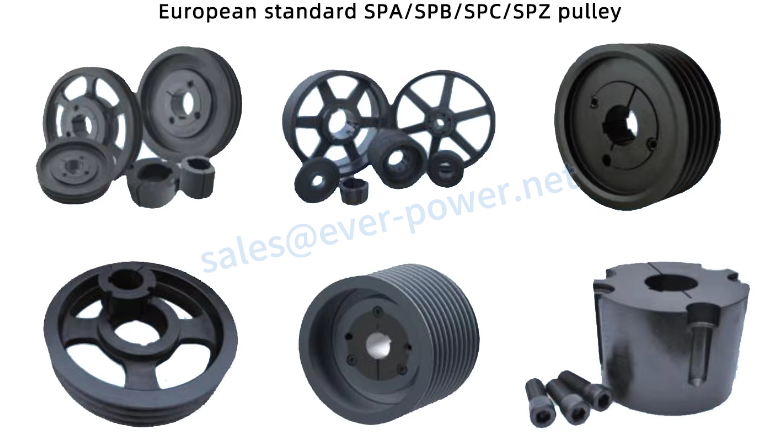
Step 2: Measuring Pulley Diameter
The first and most crucial step in measuring a V-belt pulley is determining the pulley’s diameter. This measurement helps identify the appropriate belt size and ensures proper power transmission. To measure the pulley diameter, follow these steps:
- Use a caliper or micrometer to measure the outside diameter of the pulley.
- If the pulley has a groove, measure the diameter across the groove’s bottom.
- Record the measurement and ensure it is accurate to the nearest thousandth of an inch.
Step 3: Counting Grooves
Next, you need to determine the number of grooves on the V-belt pulley. The groove count directly affects the belt size and compatibility. To count the grooves:
- Inspect the pulley carefully and identify all the grooves present.
- Count the number of grooves, excluding any unused or blocked-off grooves.
- Make a note of the groove count for further identification.
Step 4: Identifying Belt Profile
Now that you have the pulley diameter and groove count, it’s time to identify the V-belt profile. The belt profile refers to the shape and dimensions of the V-belt. This information ensures compatibility and efficient power transmission. To identify the belt profile:
- Measure the top width and height of the V-belt using a caliper.
- Compare the measurements to standard belt profiles, such as A, B, C, D, etc.
- Determine the belt profile that closely matches your measurements.
Step 5: Checking Shaft Bore Size
The final step in measuring and identifying V-belt pulleys is checking the shaft bore size. The shaft bore size indicates the diameter of the shaft on which the pulley will be mounted. To check the shaft bore size:
- Use a caliper to measure the inner diameter of the pulley’s central hole.
- Record the measurement and ensure it matches the shaft diameter of your machine.
By following these measurement and identification steps, you can accurately determine the specifications of V-belt pulleys and ensure proper replacement or compatibility. Understanding the different types, measuring the diameter and groove count, identifying the belt profile, and checking the shaft bore size are fundamental processes that contribute to a smooth and efficient power transmission system.
Advantages of Drive Belt Pulley
Drive belt pulleys play a crucial role in various mechanical systems, providing several advantages that contribute to their widespread use. In this article, we will delve into the details of the advantages offered by drive belt pulleys, highlighting their significance in different applications.
1. Mechanical Efficiency
Drive belt pulleys are designed to optimize mechanical efficiency by transmitting power smoothly and effectively. With their precise construction and high-quality materials, these pulleys reduce friction and minimize energy loss during power transmission. The result is improved overall efficiency, allowing machines and systems to operate more effectively and with reduced energy consumption.
2. Versatility and Flexibility
One of the significant advantages of drive belt pulleys is their versatility and flexibility in various applications. These pulleys are compatible with different types of belts, such as V-belts, timing belts, and flat belts. This versatility allows them to be used in a wide range of industries, including automotive, manufacturing, and agriculture. Moreover, drive belt pulleys come in various sizes and configurations, enabling customization for specific system requirements.
3. Precise Speed Control
Drive belt pulleys offer excellent speed control capabilities, making them ideal for applications that require precise speed adjustments. By varying the pulley diameter or using multiple pulleys with different sizes, the rotational speed of the driven component can be easily regulated. This advantage is particularly crucial in industries where accuracy and control are vital, such as conveyor systems, printing equipment, and machine tools.
4. Cost-Effective Solution
Compared to other power transmission systems, drive belt pulleys offer a cost-effective solution for many applications. The simplicity of their design and ease of installation contribute to reduced maintenance and operating costs. Additionally, drive belt pulleys have a long service life, requiring minimal replacement or repair. This cost-effectiveness, combined with their reliability, makes drive belt pulleys a preferred choice for numerous industries.
5. Noise and Vibration Reduction
Drive belt pulleys contribute to noise and vibration reduction, resulting in quieter and smoother operation of machinery and equipment. The design of these pulleys minimizes vibration and ensures a stable power transmission, leading to a more comfortable working environment and increased equipment longevity.
6. High Torque Transmission
Drive belt pulleys excel in transmitting high torque efficiently. The grip and traction provided by the belt-pulley interface allow for the transfer of substantial rotational forces. This advantage makes drive belt pulleys suitable for heavy-duty applications, where the transmission of high power is required.
Conclusion
Drive belt pulleys offer an array of advantages that make them a reliable choice for power transmission in various industries and applications. From their mechanical efficiency and precise speed control to their versatility and cost-effectiveness, drive belt pulleys continue to play a significant role in enhancing the performance and productivity of mechanical systems.
About Ever-Power
Ever-Power is a leading manufacturer and supplier of Taper lock pulleys in China. We have been in the industry for many years and have established a good reputation for the excellent quality of our products and after-sales service. Our products are sold all over the world, and we warmly welcome both domestic and foreign customers to contact us to discuss business and develop cooperation.
Here are five reasons why you should choose Ever-Power for your Taper lock pulley needs:
1. Excellent Product Quality: Our Taper lock pulleys are made with high-quality materials, ensuring their durability and longevity. We use advanced CNC lathes and CNC machining centers to produce our products with precision and accuracy.
2. Wide Range of Products: We offer a wide range of Taper lock pulleys with different sizes and specifications to meet the diverse needs of our customers.
3. Customization: We can provide customized Taper lock pulleys according to the specific requirements of our customers. Our experienced engineers can work closely with you to develop a product that meets your exact needs.
4. Competitive Pricing: We offer competitive pricing for our products, making them affordable for businesses of all sizes.
5. Excellent Customer Service: Our friendly and knowledgeable customer service team is always ready to assist you with any inquiries or concerns you may have. We are committed to providing our customers with the best possible service and support.
Overall, Ever-Power is the ideal choice for anyone looking for quality Taper lock pulleys. Contact us today to learn more about our products and services.
 Author:CX