Timing Pulley
Introduction to Timing Pulleys
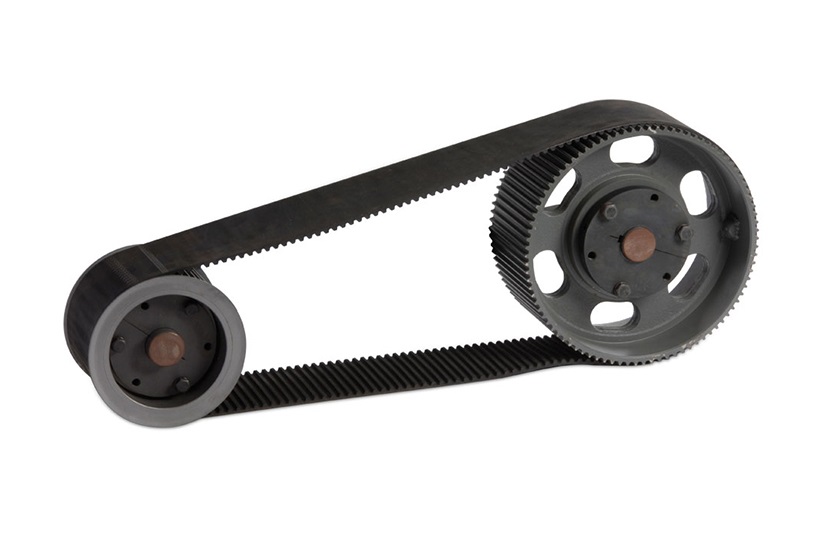
Timing pulleys are integral components in mechanical power transmission systems. They synchronize the rotational movement of shafts by engaging with a timing belt, ensuring precision and efficiency.
Key Components of Timing Pulleys
Timing pulleys consist of grooves that match the teeth of a timing belt, a hub that attaches to the shaft, and flanges that prevent the belt from slipping off. These components work in unison to transmit power effectively.
Material Composition
Timing pulleys are fabricated from various materials including aluminum, steel, and plastic. The choice of material influences the performance, durability, and application suitability of the pulley.
Application of Timing Pulleys
Timing pulleys find extensive use in automotive engines, industrial machinery, and robotics. Their ability to maintain synchronous rotation makes them indispensable in precision-driven environments.
Benefits of Using Timing Pulleys
Timing pulleys offer multiple benefits such as reduced slippage, improved power transmission efficiency, and lower maintenance requirements. Their design ensures minimal wear and tear, leading to prolonged operational life.
Understanding Pulley Ratios
The pulley ratio is the relationship between the diameters of the driver and driven pulleys. It determines the speed and torque transfer between the connected shafts, crucial for optimizing system performance.
Types of Timing Pulleys
There are various types of timing pulleys including synchronous pulleys, HTD (High Torque Drive) pulleys, and T-type pulleys. Each type has specific design features tailored to different applications.
Installation and Maintenance
Proper installation and regular maintenance of timing pulleys are vital for their longevity and performance. This includes aligning the pulleys correctly and checking for wear and tear periodically.
Common Issues and Troubleshooting
Common issues with timing pulleys include misalignment, belt slippage, and wear. Troubleshooting involves inspecting the alignment, tension, and condition of the belt and pulley for any signs of damage.
Innovations in Timing Pulley Technology
Recent innovations in timing pulley technology include the development of lightweight composites, advanced tooth profiles, and self-lubricating materials. These advancements enhance efficiency and reduce maintenance needs.
Environmental Impact
Using timing pulleys made from recyclable materials and improving their efficiency can significantly reduce the environmental impact. Sustainable practices in manufacturing and usage are becoming increasingly important.
Comparing Timing Belts and Chains
Timing belts and chains both serve to synchronize movement but differ in design and application. Belts are quieter and require less maintenance, while chains offer higher strength and durability.
Cost Considerations
The cost of timing pulleys is influenced by material, design, and manufacturing precision. Investing in high-quality pulleys can lead to long-term savings through reduced downtime and maintenance.
Customization Options
Many manufacturers offer customization options for timing pulleys, including specific groove profiles, sizes, and materials. Customization ensures the pulleys meet the unique requirements of the application.
Future Trends
Future trends in timing pulley technology include the integration of smart sensors for real-time monitoring and the use of advanced manufacturing techniques to produce more efficient and durable pulleys.
Round Belts & Pulleys
Overview
Round belts and pulleys are used in applications where flexibility and smooth motion are required. These systems are common in light-duty transmission and conveyance tasks.
Flexibility
Round belts are highly flexible, allowing for smooth motion and the ability to navigate complex pulley arrangements. This flexibility is essential for applications requiring precise positioning.
Durability
Manufactured from durable materials like polyurethane and rubber, round belts are designed to withstand wear and tear while maintaining their integrity over long periods of use.
Low Maintenance
Round belt systems generally require minimal maintenance, making them a cost-effective solution for various industrial applications. Their design reduces the need for frequent adjustments and replacements.
Quiet Operation
The design and material composition of round belts contribute to their quiet operation, making them suitable for environments where noise reduction is important.
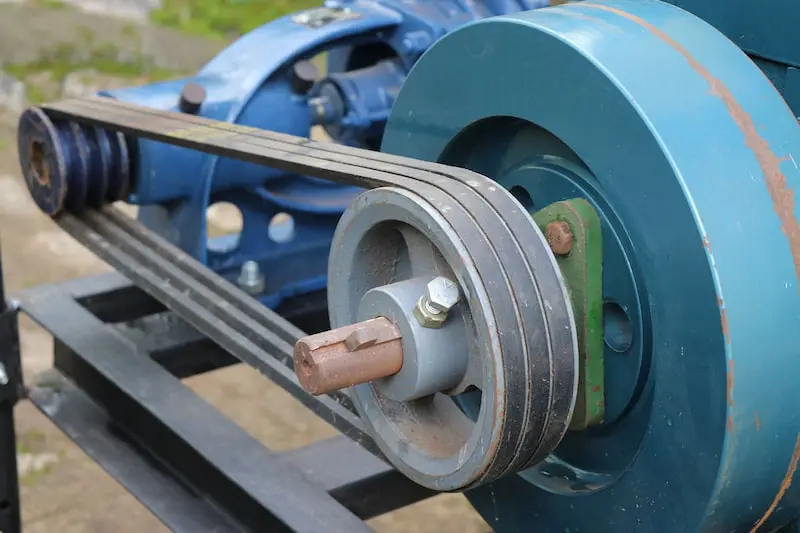
Types of V-Belt Pulleys
Classical V-Belt Pulleys
Classical V-belt pulleys are designed for standard industrial applications, offering a balance of performance and durability. They are widely used due to their compatibility with various V-belt profiles.
Narrow V-Belt Pulleys
Narrow V-belt pulleys are optimized for high power transmission in compact spaces. Their smaller profile allows for greater design flexibility without compromising on strength.
Double-Sided V-Belt Pulleys
Double-sided V-belt pulleys are used in applications where power needs to be transmitted on both sides of the belt. This unique design allows for more complex drive configurations.
Variable Speed V-Belt Pulleys
Variable speed V-belt pulleys allow for adjustable speed control in machinery. By changing the pulley diameter, operators can fine-tune the speed of the driven component.
Light Duty V-Belt Pulleys
Light duty V-belt pulleys are designed for applications with lower power requirements. They offer a cost-effective solution for systems where heavy-duty performance is not necessary.

V-Belt Pulley Components
V-belt pulley components include the hub, spoke, rim, and flange. Each part plays a crucial role in ensuring the pulley operates efficiently and securely within the drive system.
Choosing or Customizing the Right Belt Pulley
Selecting or customizing the right belt pulley involves several key considerations to ensure compatibility and performance alignment with your specific needs.
Load Requirements
Understanding the load requirements is essential for selecting a pulley that can handle the torque and power necessary for the application. This includes both the continuous and peak loads.
Shaft Size
The shaft size dictates the bore size of the pulley. Ensuring a precise fit between the shaft and the pulley bore is crucial for efficient power transmission and minimizing wear.
Material Selection
Choosing the appropriate material for the pulley depends on the operating environment and load conditions. Factors such as stress, temperature, and exposure to chemicals should be considered.
Pulley Ratio
The pulley ratio impacts the speed and torque transmission between the driver and driven shafts. Selecting the correct ratio is vital for achieving the desired performance outcomes.
Environmental Conditions
Environmental factors such as temperature, humidity, and exposure to corrosive elements can affect the choice of pulley material and design. Pulleys must be selected to withstand these conditions.

Our Company¡¯s Expertise in Manufacturing High-Performance Belt Pulleys
HZPT specializes in the design, development, and manufacturing of high-performance belt pulleys. Our products are well-received in European, South American, and Australian markets, earning the trust of numerous customers.
We prioritize product quality and adhere to a “customer-first service” policy. With a youthful, dynamic, and capable team, we are confident in providing professional services to meet any of your requirements. Quick delivery is one of our strengths.
In China, we operate a professional factory to develop new products and provide OEM services. Additionally, we maintain a well-stocked warehouse to distribute goods promptly, meeting the needs of many clients. We continuously strive to improve our services and offer the best quality products at competitive prices. Any inquiries or feedback are greatly appreciated; please feel free to contact us.
Why Choose Our Products
High-Quality Materials
Our belt pulleys are made from top-notch materials, ensuring durability and longevity. This guarantees that our products can withstand rigorous use without compromising performance.
Advanced Manufacturing Techniques
We employ state-of-the-art manufacturing techniques to produce precision-engineered pulleys. Our advanced processes ensure high tolerances and consistent quality in every product.
Customization Options
Our company offers extensive customization options to meet the unique needs of our clients. Whether it’s specific groove profiles, sizes, or materials, we can tailor our products to your requirements.
Competitive Pricing
We provide high-quality products at competitive prices, ensuring that our clients receive the best value for their investment. Our pricing strategy is designed to offer affordability without sacrificing quality.
Excellent Customer Service
Our customer service team is dedicated to providing timely and professional assistance. Whether it’s product selection, customization inquiries, or after-sales support, we are here to help you every step of the way.
Rapid Delivery
We understand the importance of timely delivery and strive to ensure that our products reach you as quickly as possible. Our efficient logistics network enables us to fulfill orders promptly.