Tag Archives: Wheat Planter

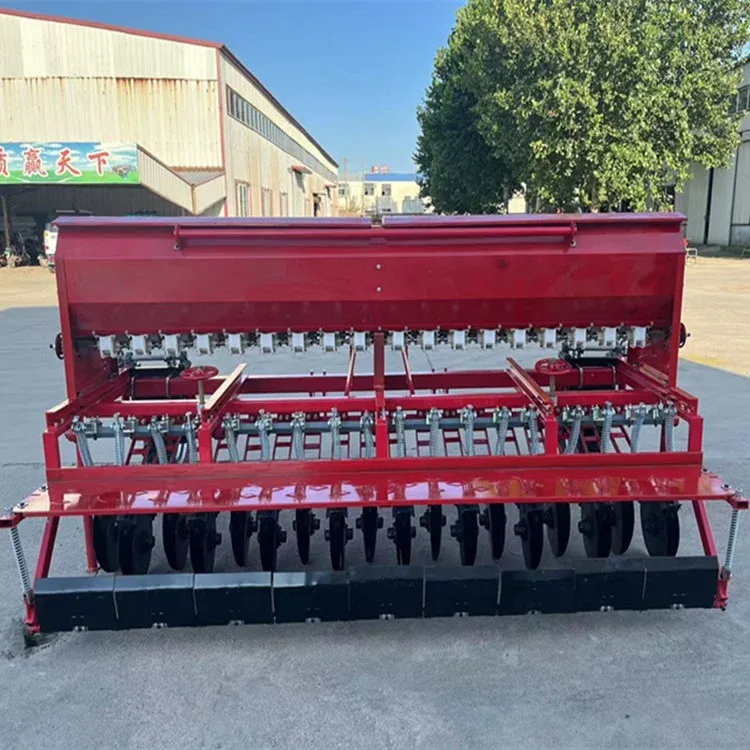
24 Rows Disc Wheat Seeder/Wheat Planter for Planting Sorghum and Barley

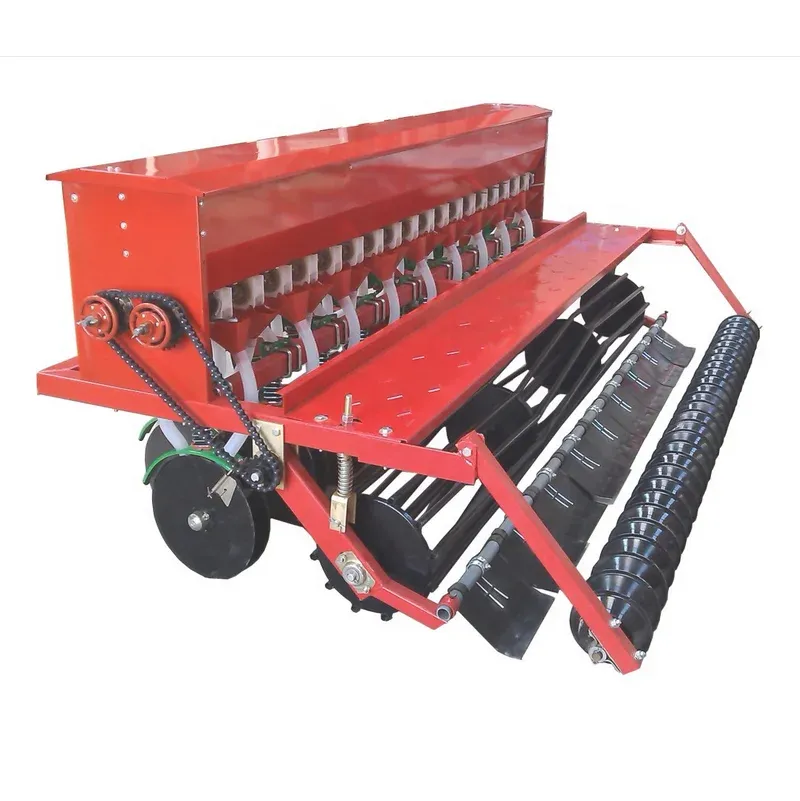
The 24 rows disc wheat seeder for planting sorghum and barley is an advanced agricultural implement designed for precision seeding of small grains like wheat, sorghum, and barley. This machinery is typically towed by a tractor and features 24 individual disc openers that create furrows in the soil for seed placement. Each disc opener is strategically spaced to ensure uniform seed distribution, which is crucial for optimal plant growth and yield.

The seeder is equipped with a seed metering system that accurately controls the flow of seeds from the hopper to the soil. This system can be adjusted to accommodate different seed sizes and planting rates, providing flexibility for various crop requirements. Additionally, the disc openers are often combined with press wheels or closing wheels that ensure good soil-to-seed contact, enhancing germination rates.

Built for efficiency and durability, the 24 rows disc wheat seeder is constructed from high-quality materials to withstand the rigors of extensive fieldwork. It often includes features like adjustable row spacing, depth control mechanisms, and sometimes even fertilizer application systems, making it a versatile tool for modern farming operations. By improving planting accuracy and efficiency, this seeder helps farmers maximize their land’s productivity while reducing labor and time costs.
Wheat Seeder

Benefits of 24 Rows Disc Wheat Seeder for Planting Sorghum and Barley

Using the 24-row disc wheat seeder for planting sorghum and barley offers numerous benefits, enhancing both efficiency and crop yield. Here are some key advantages:

1. Precision Planting:

Disc wheat seeders are engineered to achieve precise seed placement at consistent depths and intervals, which is essential for uniform crop stands. This precision planting ensures that each seed has an optimal environment for germination and growth, leading to increased yields and better-quality crops. Consistency in planting also simplifies subsequent agricultural practices.

2. High Efficiency:

Equipped with 24 rows, the disc wheat seeder can cover large areas quickly, reducing the time and labor involved in planting. This efficiency is crucial during the limited planting windows typical in seasonal farming. The ability to plant more acreage in less time allows farmers to optimize their planting schedules and improve overall farm productivity.

3. Improved Germination Rates:

The design of the disc openers creates ideal furrows in the soil, ensuring that seeds are placed at the correct depth. Press wheels then secure the seeds by providing good soil-to-seed contact. This combination enhances germination rates, resulting in stronger, healthier plants and a higher success rate for crop establishment.

4. Versatility:

The disc wheat seeder offers adjustable settings for row spacing, planting depth, and seed rate, making it highly versatile. This adaptability allows farmers to use the same equipment for different crops, including wheat, sorghum, and barley, and to tailor the seeder’s operation to varying soil conditions and agricultural practices.

5. Reduced Soil Disturbance:

Compared to traditional tillage methods, disc seeders cause minimal soil disturbance. This conservation tillage approach helps maintain soil structure, reduces erosion, and preserves soil moisture. By minimizing soil disruption, farmers can enhance the sustainability of their land, promoting long-term agricultural productivity and environmental health.

6. Durability and Longevity:

Constructed from high-quality materials, disc wheat seeders are designed to endure the demanding conditions of extensive fieldwork. Their robust construction ensures a long service life, providing farmers with a reliable and durable piece of equipment. This longevity represents a sound investment, offering consistent performance over many planting seasons.
Wheat Seeder

Typical Applications:

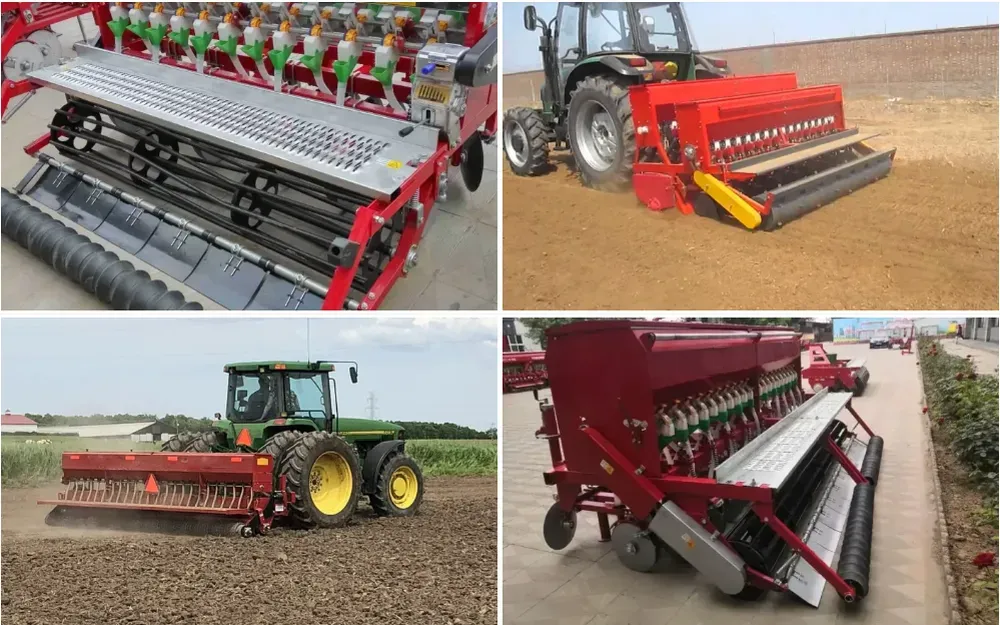
A disc wheat planter is a versatile agricultural tool used for precision planting of various crops. Here are common applications of the disc wheat planter:

1. Planting Sorghum:

Disc wheat planters are highly effective for planting sorghum due to their ability to place seeds at consistent depths and spacing. Sorghum requires precise seed placement for optimal germination and growth. The planter ensures uniform seed distribution, which enhances the crop stand and leads to better yields.

2. Planting Wheat:

As the name suggests, disc wheat planters are specifically designed for planting wheat. They offer precise control over seed depth and spacing, ensuring uniform germination and growth. This precision is crucial for achieving high wheat yields and quality. The planter’s efficiency allows for quick coverage of large fields, making it ideal for wheat farming.

3. Planting Barley:

Barley, similar to wheat, benefits from the precision planting provided by disc wheat planters. The planter ensures that barley seeds are placed at the correct depth and spacing, promoting even crop stands. This uniformity is essential for efficient crop management and harvesting, leading to improved barley production.

4. Planting Corn:

Although primarily designed for small grains, disc wheat planters can also be adapted for planting corn. The adjustable settings allow farmers to modify row spacing and seed depth to suit corn planting requirements. This versatility makes the planter a valuable tool for diversified farming operations.

5. Planting Sesame:

Sesame seeds are small and require careful handling during planting. Disc wheat planters can be adjusted to accommodate the small seed size and ensure precise placement. This precision helps in achieving uniform crop stands and optimal growth conditions for sesame, ultimately enhancing yield and quality.

6. Planting Millet:

Millet, like other small grains, benefits from the precision seeding provided by disc wheat planters. The planter’s ability to adjust for different seed sizes and planting depths makes it suitable for millet cultivation. Consistent seed placement ensures uniform germination and growth, which is essential for maximizing millet yields.
Wheat Seeder Common Applications

Structural Components of a Disc Wheat Seeder Machine

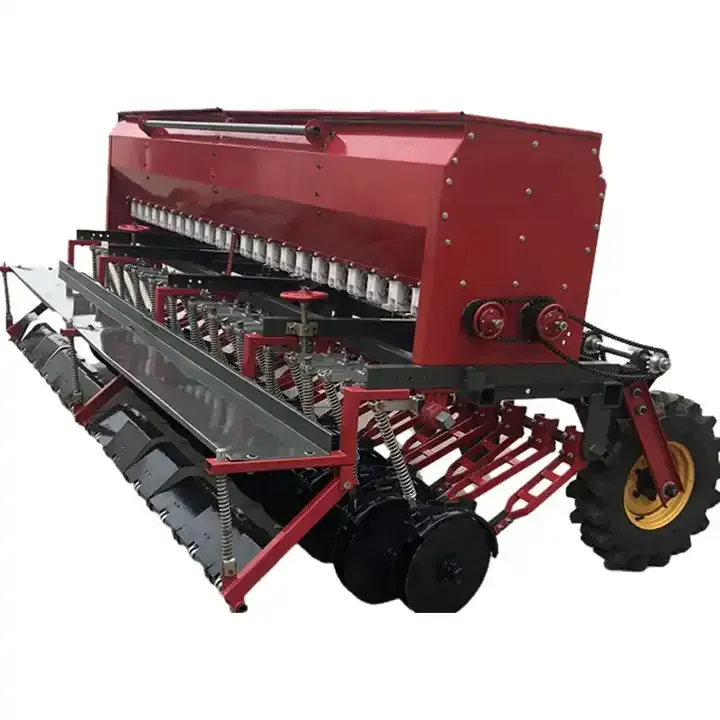
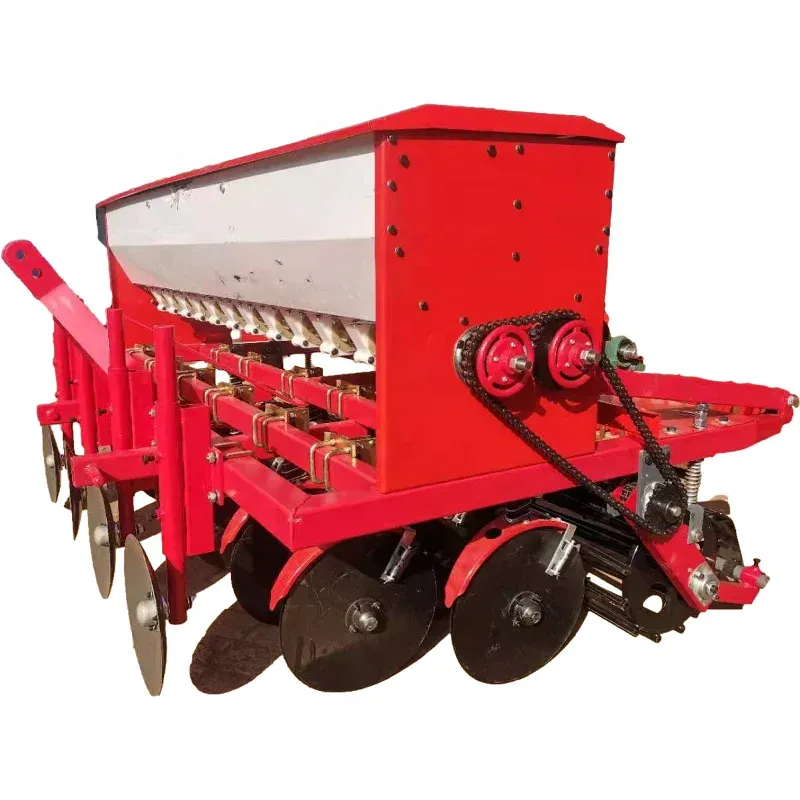
A disc wheat seeder machine comprises various structural components that work together to ensure efficient and precise planting. Here are the key structural components of a disc wheat seeder:

1. Frame:

The frame is the backbone of the seeder, providing structural integrity and support for all other components. It is typically made from high-strength steel to withstand the rigors of field operations. The frame holds the seed hopper, disc openers, and other essential parts in place.

2. Seed Hopper:

The seed hopper is a container that holds the seeds to be planted. It is mounted on the frame and is designed to feed seeds into the seed metering system. The hopper’s capacity varies depending on the size and model of the seeder, allowing for extended planting sessions without frequent refilling.

3. Seed Metering System:

The seed metering system is responsible for controlling the flow of seeds from the hopper to the soil. It ensures that seeds are released at a consistent rate, which is crucial for uniform planting. This system can be adjusted to accommodate different seed sizes and planting rates.

4. Disc Openers:

Disc openers are circular blades that create furrows in the soil for seed placement. Each disc opener is attached to the frame and is spaced at regular intervals to ensure uniform row spacing. The discs cut through the soil, creating a narrow slit where seeds are deposited.

5. Press Wheels:

Press wheels follow the disc openers and press the soil over the seeds to ensure good soil-to-seed contact. This improves seed germination and establishment. The press wheels can be adjusted to apply the right amount of pressure, depending on soil conditions.

6. Row Markers:

Row markers are used to create visible lines or marks on the soil to guide the tractor operator, ensuring straight and evenly spaced rows. These markers help maintain consistent row spacing, which is vital for efficient crop management.

7. Depth Control Mechanism:

The depth control mechanism allows the operator to adjust the planting depth of the seeds. This is essential for ensuring that seeds are planted at the optimal depth for germination and growth. The mechanism can be adjusted to suit different soil types and moisture conditions.

8. Fertilizer Application System:

Some disc wheat seeders are equipped with a fertilizer application system that simultaneously applies fertilizer while planting seeds. This system ensures that seeds receive the necessary nutrients for early growth, improving overall crop productivity.

9. Drive System:

The drive system powers the seed metering mechanism and other moving parts of the seeder. It is typically driven by the tractor’s power take-off (PTO) or ground wheels. The drive system ensures synchronized operation of the seeder components for precise planting.
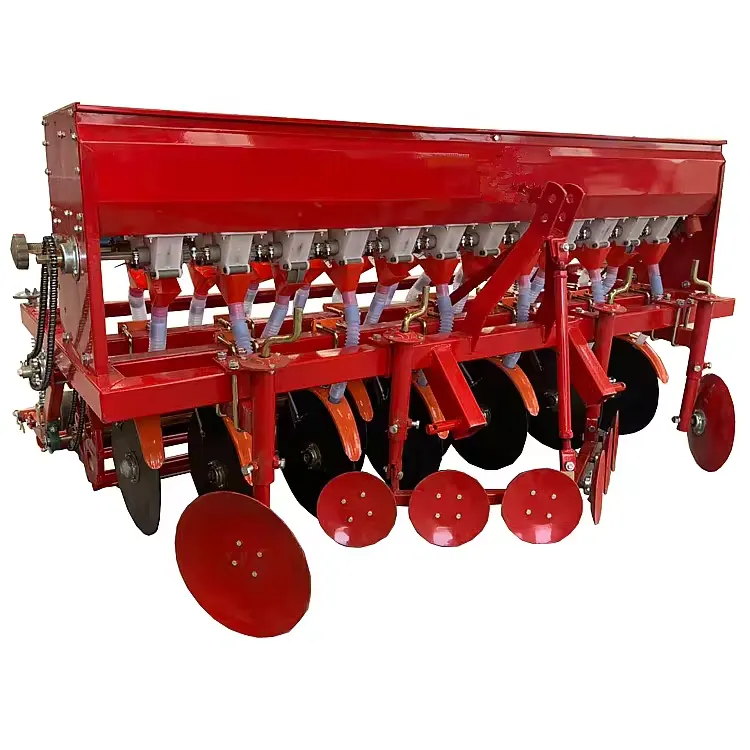
Wheat Seeder

Working Principle:

The working principle of a tractor-mounted 24-row disc wheat planter for planting sorghum and barley involves a series of coordinated steps that ensure precise seed placement and optimal crop establishment. Here’s a detailed explanation of how it works:

1. Preparation and Setup:

Before operation, the planter is attached to a tractor using a three-point hitch or drawbar. The seed hopper is filled with the appropriate seeds (sorghum or barley), and any necessary adjustments for row spacing, planting depth, and seed rate are made according to the specific requirements of the crop and field conditions.

2. Tractor Movement:

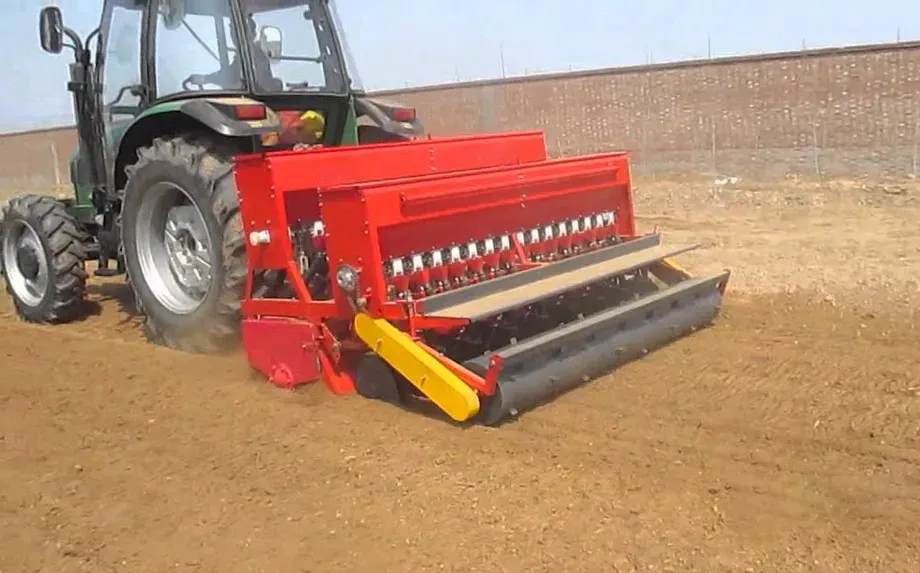
As the tractor moves forward, it pulls the planter across the field. The movement of the tractor powers the planter’s drive system, which synchronizes the operation of various components involved in the seeding process.

3. Seed Metering:

Seeds from the hopper are fed into the seed metering system. This system precisely controls the flow of seeds, ensuring that a consistent number of seeds are released at regular intervals. The metering mechanism can be adjusted to accommodate different seed sizes and planting densities.

4. Disc Openers:

The disc openers, which are circular blades attached to the frame, cut into the soil to create narrow furrows. These furrows are the planting rows where the seeds will be deposited. Each disc opener is spaced evenly to maintain consistent row spacing across the field.

5. Seed Placement:

As the furrows are created, seeds are released from the metering system and fall into the furrows. The precise control of the seed metering system ensures that seeds are placed at a consistent depth and spacing, which is crucial for uniform crop emergence and growth.

6. Press Wheels:

Following the disc openers, press wheels travel over the furrows to press the soil back over the seeds. This action ensures good soil-to-seed contact, which is essential for seed germination. The pressure applied by the press wheels can be adjusted to match soil conditions, optimizing the germination environment.

7. Continuous Operation:

The process continues as the tractor moves forward, with each component working in unison to create furrows, place seeds, cover them with soil, and mark rows. This coordinated operation allows for efficient and precise planting over large areas.
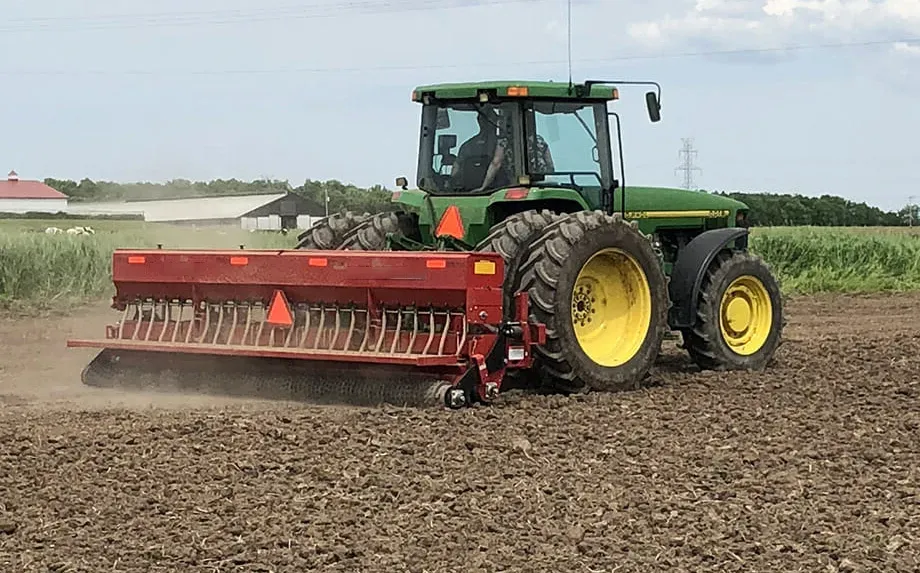
Wheat Seeder Common Applications

Tips for Using a Tractor Mounted 24 Row Disc Wheat Seeder

Using a tractor-mounted 24-row disc wheat seeder effectively requires attention to detail and adherence to best practices to ensure optimal performance and crop yields. Here are some tips to help you get the most out of your seeder:

1. Proper Setup and Calibration:

Before you start planting, ensure that the seeder is correctly attached to the tractor and all connections are secure. Calibrate the seed metering system to match the seed type and planting rate required. Calibration involves adjusting the settings to ensure that seeds are released at the correct rate and spacing.

2. Check Soil Conditions:

Ensure that the soil is in suitable condition for planting. The soil should be adequately tilled, free of large clods, and have the right moisture content. Planting in overly wet or dry conditions can affect seed placement and germination.

3. Adjust Row Spacing and Depth:

Set the row spacing and planting depth according to the specific requirements of the crop you are planting. Different crops have different optimal planting depths and row spacings, so adjust these settings to suit sorghum, barley, or any other crop you’re planting.

4. Monitor Seed Hopper Levels:

Keep an eye on the seed hopper levels to ensure that it does not run empty during planting. Refill the hopper as needed to maintain a consistent seed flow. Running out of seeds mid-row can lead to uneven crop stands.

5. Maintain Consistent Speed:

Operate the tractor at a consistent speed to ensure even seed distribution. Sudden changes in speed can affect the seed metering system’s accuracy and result in uneven planting. Follow the manual’s recommended operating speed for the best results.

6. Regularly Check and Clean Disc Openers:

Disc openers can become clogged with soil and debris, which can affect their performance. Regularly check and clean the disc openers to ensure they are cutting clean furrows and placing seeds accurately.

7. Inspect Press Wheels:

Ensure that the press wheels are functioning correctly, and apply the right amount of pressure to cover the seeds with soil. Adjust the pressure as needed based on soil conditions to ensure good soil-to-seed contact.
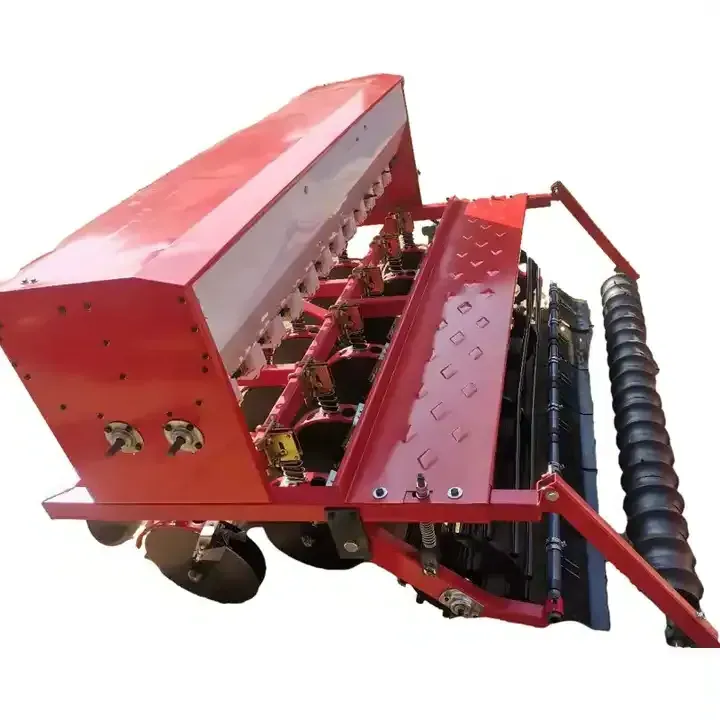
Wheat Seeder

Why Choose EVER-POWER’s Wheat Seeders?

EVER-POWER is a leading manufacturer and marketer specializing in the production of wheat seeders. With a robust infrastructure and advanced technological capabilities, our company has established itself as a significant player in the agricultural machinery sector. Our state-of-the-art production facilities, coupled with a dedicated team of experienced engineers and technicians, enable us to deliver high-quality, innovative solutions tailored to meet the evolving needs of modern agriculture.

Our wheat seeders are designed with precision and efficiency in mind, ensuring optimal seed placement and uniform crop growth. These machines boast features such as adjustable row spacing, depth control, and robust disc openers, making them suitable for a variety of soil conditions and planting requirements. The versatility of our seeders allows for the planting of not only wheat but also other crops like sorghum and barley. The reliability and performance of our products make them an indispensable tool for farmers aiming to maximize their yield and productivity.
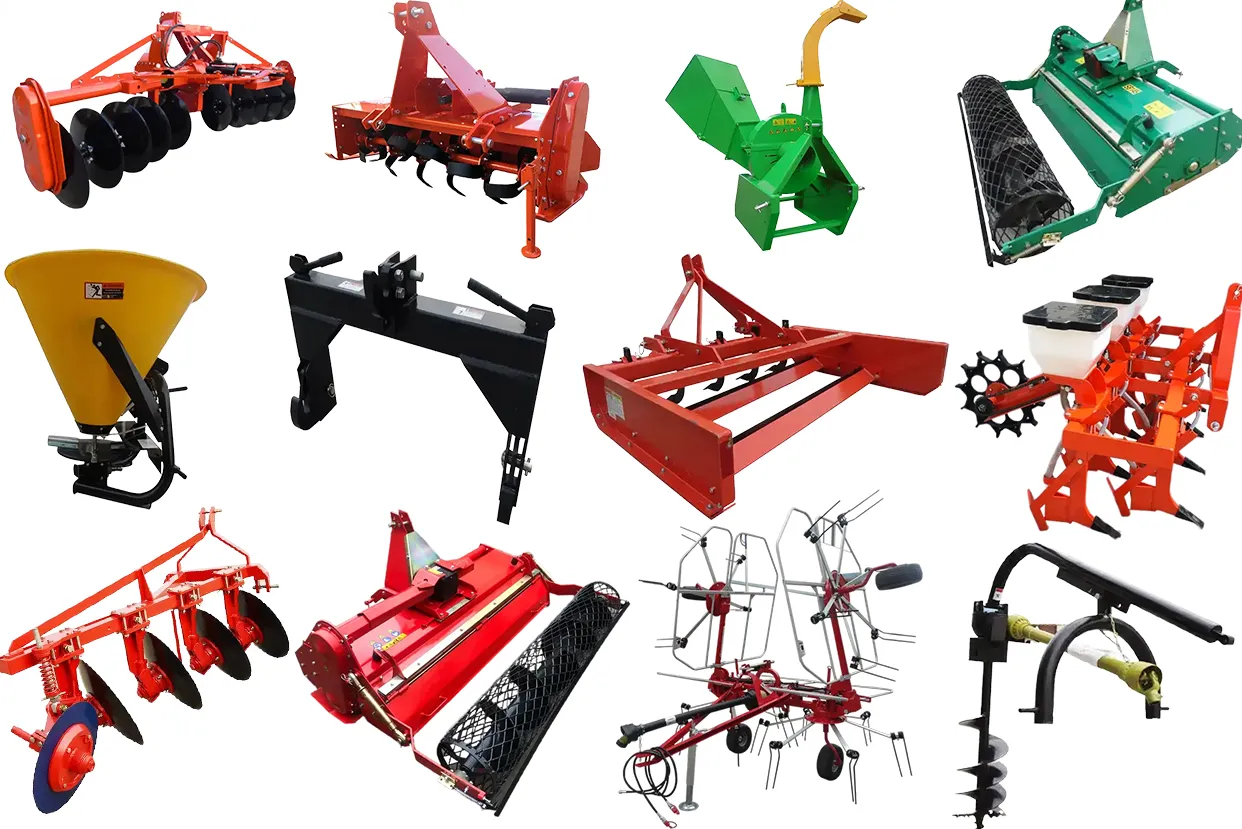
Types of Agricultural Equipment

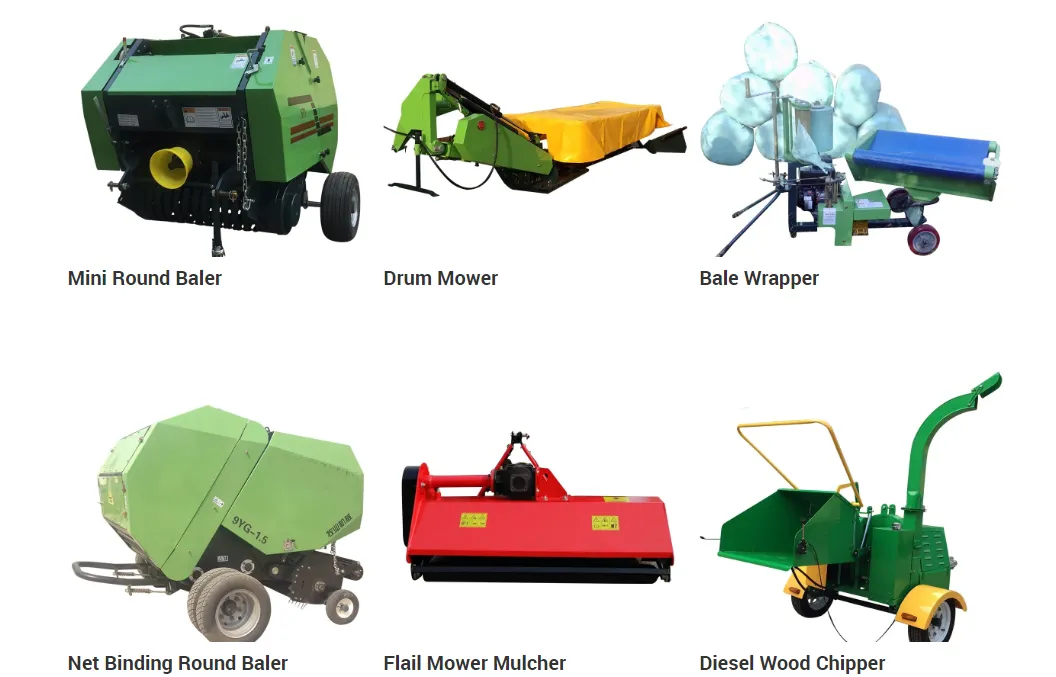
At EVER-POWER, our expertise in the field of wheat seeders is unmatched. We hold numerous international certifications, reflecting our commitment to quality and excellence. Our ability to provide custom solutions, combined with our modern manufacturing facilities and comprehensive after-sales service, distinguishes us from competitors. Furthermore, we offer a wide range of agricultural products, including PTO shafts, agricultural gearboxes, large round balers, mini round balers, hay square balers, PTO wood chippers, diesel wood chippers, drum mowers, disc mowers, rotary hay rakes, fertilizer spreaders, lawn mowers, sickle bar mowers, rotary mowers, flail mowers, rotary tillers, land levelers, furrow ploughs, disc harrows, disc blades, disc ridgers, disc ploughs, potato planters, potato harvesters, corn seeders, vegetable seeders, post hole diggers, boom sprayers, and more. This extensive product line underscores our dedication to supporting the agricultural industry with comprehensive, high-performance machinery.
Other Agricultural Equipment

Author: Yjx

18 Rows Wheat Seeder Machine with Fertilizer for Planting Wheat and Millet

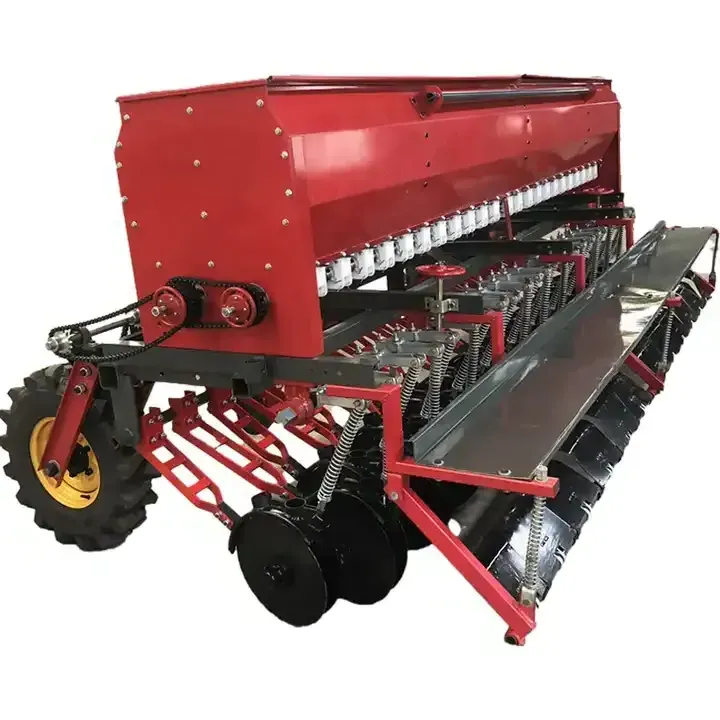
The tractor mounted 18 rows wheat seeder machine with fertilizer is an advanced agricultural implement designed to enhance the efficiency and precision of planting wheat and millet. This machine is engineered to be mounted on a tractor, leveraging the tractor’s power to drive its operations. It features 18 rows, allowing for the simultaneous sowing of seeds across a wide swath of land, which significantly reduces the time and labor required for planting.

One of the key aspects of this wheat seeder is its integrated fertilization system. As the seeds are sown, the machine concurrently dispenses fertilizer at the optimal depth and spacing. This dual-function capability ensures that the seeds receive the necessary nutrients right from the start, promoting healthier growth and potentially higher yields.

The wheat planter is equipped with adjustable settings to accommodate different seed sizes and planting depths, providing flexibility for various soil conditions and crop requirements. Its robust construction ensures durability and reliability, even under intensive use. Additionally, the machine’s design focuses on ease of maintenance and operation, making it accessible to a broad range of users, from small farmers to large agricultural enterprises.

Wheat Seeder

Advantages of 18 Rows Wheat Seeder Machine with Fertilizer

Using an 18-row wheat seeder machine with fertilizer provides numerous benefits, enhancing the efficiency and productivity of wheat farming. Here are some key advantages:

  1. Enhanced Planting Efficiency: The 18 Rows Wheat Seeder Machine significantly boosts planting efficiency by allowing the simultaneous sowing of seeds across 18 rows. This wide coverage reduces the time needed to plant large fields, enabling farmers to complete their planting operations more quickly and effectively, which is particularly beneficial during tight planting windows.
  2. Integrated Fertilization System: This machine incorporates an integrated fertilization system that dispenses fertilizer precisely as seeds are sown. This ensures that the seeds receive essential nutrients immediately, promoting robust germination and growth. The precise application reduces waste and ensures that fertilizer is used efficiently, leading to cost savings and better crop yields.
  3. Uniform Seed Distribution: The seeder ensures uniform seed distribution across each row, which is critical for achieving optimal plant density and uniform crop growth. Consistent spacing helps in reducing competition for resources among plants, leading to healthier crops and potentially higher yields. Uniformity also simplifies subsequent farming operations like weeding and harvesting.
  4. Adjustable Settings: The machine is equipped with adjustable settings for seed size and planting depth. This flexibility allows farmers to customize the seeder to match different soil conditions and crop types. Such adaptability ensures that seeds are planted at the ideal depth and spacing for maximum germination rates and healthy crop development.
  5. Labor Cost Reduction: By mechanizing the planting and fertilizing processes, the seeder reduces the need for manual labor. This can lead to significant savings in labor costs, especially for large-scale operations. Additionally, it minimizes the physical strain on workers, allowing them to focus on other essential farming tasks and improving overall productivity.
  6. Durability and Reliability: Constructed from high-quality materials, the seeder is designed to withstand the rigors of intensive farming. Its robust build ensures long-term reliability and durability, reducing the frequency and cost of repairs and maintenance. This longevity makes it a valuable investment for farmers looking to improve their planting operations.
  7. Increased Crop Yields: The combination of precise seed placement, uniform distribution, and integrated fertilization leads to healthier plants and potentially higher crop yields. By optimizing the growing conditions from the outset, the seeder helps maximize the productivity of the land, contributing to increased profitability and sustainability for farming operations.

Wheat Seeder

Common Applications:

A disc wheat planter equipped with fertilizer application capabilities offers several advantages for farmers. Here are some of its primary applications:

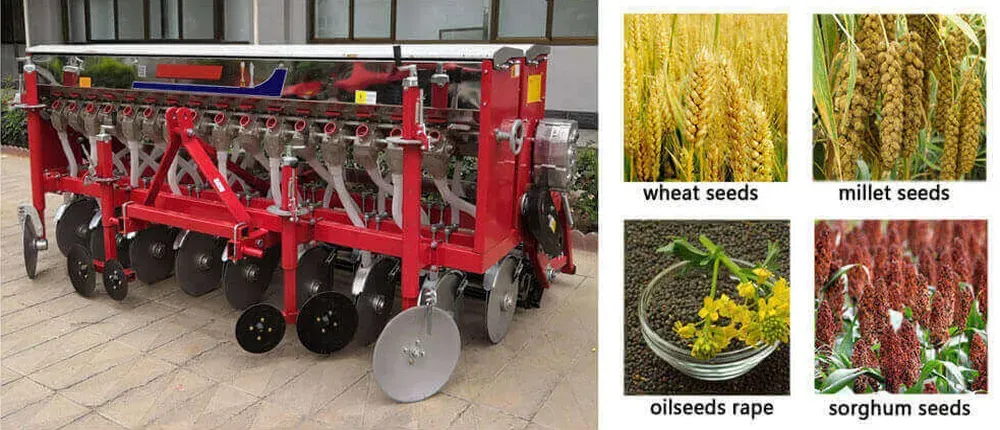
  • Planting Millet: The disc wheat planter with fertilizer is exceptionally suited for planting millet. Its precision planting mechanism ensures that millet seeds are evenly distributed and planted at the correct depth, promoting uniform germination and growth. The integrated fertilization system provides essential nutrients right from the start, enhancing the overall health and yield of the millet crop.
  • Planting Sorghum: Sorghum planting benefits greatly from the use of this planter. Sorghum seeds require specific planting depths and spacing for optimal growth, which the adjustable settings of the disc planter can easily accommodate. The simultaneous application of fertilizer ensures that the young sorghum plants receive the nutrients they need to establish a strong root system and grow vigorously.
  • Planting Wheat: As its name suggests, the disc wheat planter with fertilizer is designed with wheat planting in mind. The machine ensures precise seed placement and uniform distribution across the planting area. The integrated fertilization not only boosts early growth but also supports the wheat plants throughout their development, resulting in higher yields and better-quality grain.
  • Planting Sesame: Sesame seeds are small and delicate, requiring careful handling during planting. The disc planter’s precision mechanism is ideal for planting sesame, ensuring that seeds are placed at the right depth and spacing without damage. The added benefit of fertilization means that sesame plants have access to nutrients from germination onward, improving their growth and productivity.
  • Planting Oilseeds Rape: Oilseeds rape, used for producing canola oil, benefits from the accurate planting and fertilization capabilities of the disc planter. The machine’s ability to handle different seed sizes and planting depths ensures that oilseed rape is planted optimally. The integrated fertilization system promotes robust early growth, leading to healthier plants and potentially higher oil yields.
  • Planting Barley: Barley, a versatile crop used for food, feed, and brewing, can be efficiently planted using the Disc Wheat Planter with Fertilizer. The machine ensures precise seed placement and consistent row spacing, which is critical for barley’s optimal growth. The fertilization feature supports the young barley plants by providing essential nutrients, enhancing their development and yield potential.

Wheat Seeder Common Applications

Working Principle of Wheat Seeder with Fertilizer for Planting Wheat and Millet

A tractor-mounted wheat seeder with fertilizer is a complex piece of agricultural equipment designed to efficiently plant wheat and millet seeds while simultaneously applying fertilizer. The working principle involves several key components:

  1. Attachment to Tractor: The wheat seeder is designed to be mounted on a tractor, using the tractor’s power take-off (PTO) to drive its mechanisms. This attachment ensures that the seeder is powered and stable during operation, allowing for efficient field coverage.
  2. Seed and Fertilizer Hopper: The machine is equipped with separate hoppers for seeds and fertilizer. These hoppers are typically calibrated to hold specific quantities, ensuring a consistent supply during the planting process. The capacity of these hoppers varies depending on the model and design of the seeder.
  3. Seed Metering System: The seed metering system is a crucial component that controls the flow of seeds from the hopper to the soil. This system ensures that seeds are dispensed at a consistent rate and spacing. Metering mechanisms can include fluted rollers, seed plates, or pneumatic systems, depending on the design of the seeder.
  4. Fertilizer Dispensing Mechanism: Parallel to the seed metering system, the fertilizer dispensing mechanism ensures that fertilizer is applied simultaneously with seed planting. This system is designed to dispense the correct amount of fertilizer, providing essential nutrients right at the root zone of the seeds. This helps in promoting better germination and growth.
  5. Furrow Openers: As the tractor moves forward, the furrow openers create small trenches or furrows in the soil. These openers can be disc-type or hoe-type, depending on soil conditions and the specific design of the seeder. The depth of these furrows is adjustable to match the optimal planting depth for the crop.
  6. Seed and Fertilizer Placement: Once the furrows are opened, the seeds are dropped into them through seed tubes. Simultaneously, the fertilizer is placed either in the same furrow or in a separate furrow nearby, depending on the design. The placement ensures that seeds and fertilizer are positioned correctly for maximum efficiency and effectiveness.
  7. Furrow Closers: After the seeds and fertilizer are placed, furrow closers or press wheels follow to cover the furrows with soil. This step is essential to ensure good seed-to-soil contact, which is critical for germination. The press wheels also help in firming the soil around the seeds, promoting better moisture retention.

Wheat Seeder Common Applications

Installation Steps:

Installing a 3-point mounted disc wheat planter to a tractor involves several crucial steps to ensure proper attachment and safe operation. Here is a detailed guide to help you through the process:

  • Preparation and Safety Measures: Before beginning the installation, ensure that the tractor is parked on a flat and stable surface. Turn off the engine and engage the parking brake to prevent any unintended movement. Check that all necessary tools and equipment are available. Wear appropriate safety gear, including gloves and protective eyewear, to safeguard against potential injuries during the installation process.
  • Attaching the Lower Link Arms: Start by attaching the lower link arms of the tractor’s three-point hitch to the corresponding mounting points on the disc wheat planter. Align the hitch points carefully and insert the pins through the holes. Secure the pins with locking clips or lynch pins to ensure a firm connection. Double-check that the arms are properly aligned and secure.
  • Connecting the Top Link: Next, attach the top link of the three-point hitch to the upper mounting bracket on the planter. Adjust the length of the top link to achieve the correct angle and height for the planter. Insert the pin and secure it with a locking clip or lynch pin. This connection is crucial for maintaining the stability and proper alignment of the planter during operation.
  • Adjusting the Planter Height and Depth: Once the planter is securely attached, adjust the height and depth settings according to the specific requirements of your field and crop. Use the tractor’s hydraulic system to raise or lower the planter, and adjust the top link to fine-tune the angle. Ensure that the planter discs are set to the desired depth for optimal seed placement and soil penetration.
  • Calibrating the Seed and Fertilizer Dispensers: Calibrate the seed and fertilizer dispensers to ensure accurate application rates. Consult the planter’s manual for specific calibration instructions, which may involve adjusting metering devices, seed plates, and flow rates. Perform a test run to verify that the seeds and fertilizer are being dispensed evenly and at the correct rates. Make any necessary adjustments to achieve uniform distribution.
  • Final Inspection and Test Run: Conduct a thorough final inspection of the entire setup to ensure that all connections are secure and properly aligned. Check for any loose bolts, pins, or hydraulic leaks. Once satisfied with the inspection, perform a test run in a small section of the field. Observe the planter’s performance, including seed placement, depth, and fertilization. Make any final adjustments as needed for optimal operation.

Wheat Seeder

Choosing the Right Disc Wheat Planter for Planting Wheat and Millet

Choosing the right disc wheat planter for planting wheat and millet involves considering several key factors to ensure optimal performance and efficiency. Here’s a detailed look at what to consider:

  1. Row Spacing and Number of Rows: The spacing between rows and the number of rows the planter can handle are critical. For wheat and millet, row spacing typically ranges from 15 to 30 centimeters. A planter with adjustable row spacing can provide flexibility for different crops and soil conditions. Additionally, the number of rows—such as 12, 18, or more—affects the machine’s efficiency and the scale of planting operations.
  2. Soil Compatibility: Different planters are designed to perform optimally in various soil types. Ensure that the disc wheat planter you choose is compatible with the soil conditions on your farm. Features such as adjustable disc angles and press wheels can help the planter adapt to sandy, loamy, or clay soils, ensuring proper seed placement and soil coverage.
  3. Seed and Fertilizer Capacity: The capacity of seed and fertilizer hoppers affects how often you need to refill them during planting. Larger capacities are beneficial for extensive fields, reducing downtime and increasing efficiency. However, ensure that the planter’s size and weight are manageable for your tractor and field conditions.
  4. Durability and Build Quality: Investing in a durable and well-constructed planter ensures longevity and reduces maintenance costs. Look for planters made with high-quality materials such as reinforced steel and corrosion-resistant components. Check for robust bearings, strong frame construction, and reliable disc mechanisms to withstand the rigors of fieldwork.
  5. Ease of Adjustment and Maintenance: A planter that is easy to adjust and maintain can save time and labor. Features like tool-free adjustment for depth and spacing, easy access to components for cleaning, and simple calibration mechanisms can enhance usability. Regular maintenance is crucial, so ensure the planter includes clear instructions and parts are readily available.
  6. Compatibility with Tractor: Ensure that the disc planter is compatible with your tractor’s horsepower and hitch system. The planter should match the tractor’s power output to operate efficiently without overloading the engine. Check for compatibility with standard Category I or II hitch systems and ensure the hydraulic and electrical connections are suitable.

Wheat Seeder

Why Choose EVER-POWER’s Wheat Seeders?

Ever-Power is a specialized manufacturer and seller of wheat seeders, boasting significant technical strength and scale. Our company is equipped with advanced production facilities and a highly skilled technical team, committed to delivering high-performance and reliable agricultural machinery to users worldwide. Over the years, Ever-Power has continuously pursued excellence in technological innovation and product quality, establishing itself as a leader in the industry.

Our wheat seeders are distinguished by several superior features and advantages. Firstly, they are expertly designed, robust, and durable, capable of adapting to various complex field conditions. Secondly, our wheat seeders offer high seeding precision, ensuring even seed distribution and promoting uniform crop growth. Additionally, our products are easy to operate and require low maintenance, making them suitable for a wide range of applications, from large-scale farms to small family farms. Ever-Power’s wheat seeders are versatile and effective for sowing wheat, barley, oats, and other crops.

Types of Agricultural Equipment

In the field of wheat seeders, Ever-Power is renowned for its professionalism and influence. The company has achieved multiple international certifications, and our product quality meets advanced international standards. We also offer customization services to meet the specific needs of different customers. With modern production facilities and a stringent quality control system, we ensure that every piece of equipment leaving our factory performs excellently. We not only provide high-quality products but also emphasize after-sales service, having established a comprehensive service network to offer timely and effective technical support and maintenance.

In addition to wheat seeders, we supply PTO shafts, agricultural gearboxes, large round balers, mini round balers, hay square balers, PTO wood chippers, diesel wood chippers, drum mowers, disc mowers, rotary hay rakes, fertilizer spreaders, lawn mowers, sickle bar mowers, rotary mowers, flail mowers, rotary tillers, land levelers, furrow ploughs, disc harrows, disc blades, disc ridgers, disc ploughs, potato planters, potato harvesters, corn seeders, vegetable seeders, post hole diggers, boom sprayers, agricultural subsoilers, agricultural trailers, finger wheel rakes, snow blowers, road sweepers, and more, catering to various agricultural production needs.

Other Agricultural Equipment

Author: Yjx