Can I re-spline an existing shaft, and what are the limitations?
Introduction
Re-splining an existing shaft can be a complex process with various limitations. In this article, we will explore the possibilities and constraints associated with re-splining a shaft. Whether it is for repair or modification purposes, understanding the limitations is crucial to ensure the success and functionality of the re-splining process.
Understanding Shaft Splines
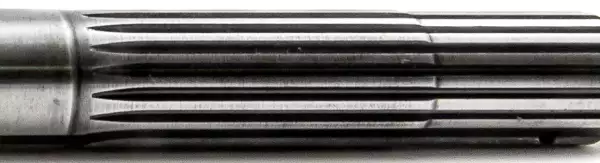
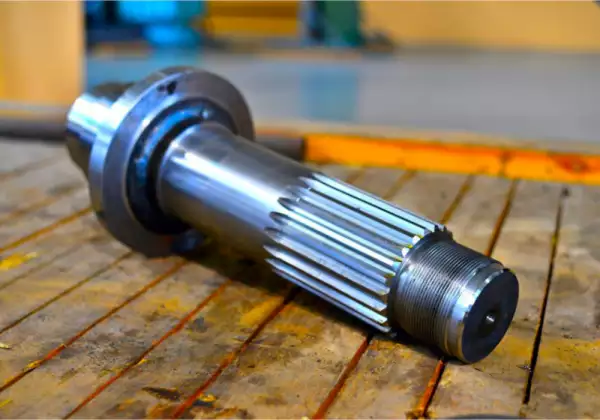
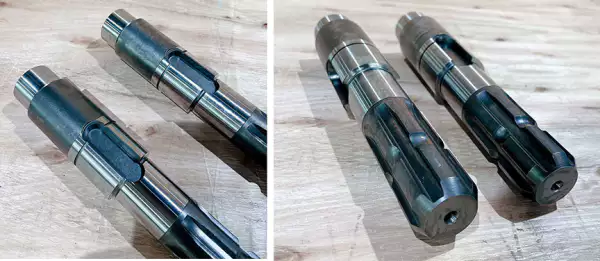
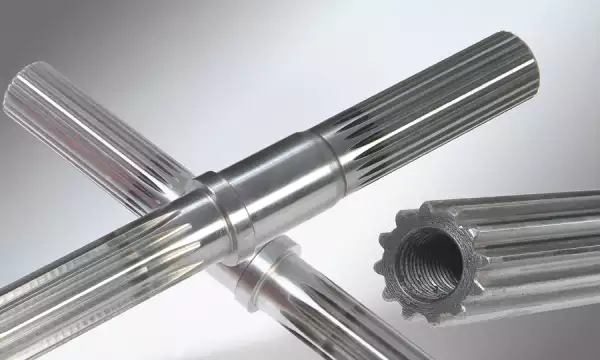
Before delving into the limitations of re-splining, it is essential to have a clear understanding of shaft splines. A spline is a series of ridges or teeth on a cylindrical shaft that allows torque to be transmitted while maintaining axial alignment. The number, shape, and size of the splines determine the shaft’s compatibility and functionality within a given system.
1. Compatibility with Shaft Material
The first limitation to consider when re-splining an existing shaft is the compatibility with the shaft material. Different materials, such as steel, aluminum, or titanium, have varying properties that can affect the re-splining process. It is crucial to assess the material’s strength, hardness, and machinability before proceeding with re-splining.
2. Dimensional Constraints
Another limitation to keep in mind is the dimensional constraints of the shaft. Re-splining might require altering the existing spline dimensions, such as tooth width, pitch diameter, or tooth form. It is essential to ensure that these modifications do not compromise the overall structural integrity and functionality of the shaft.
3. Splining Methodology
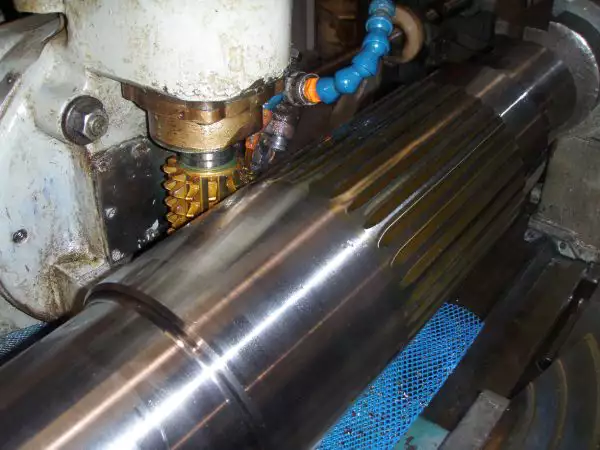
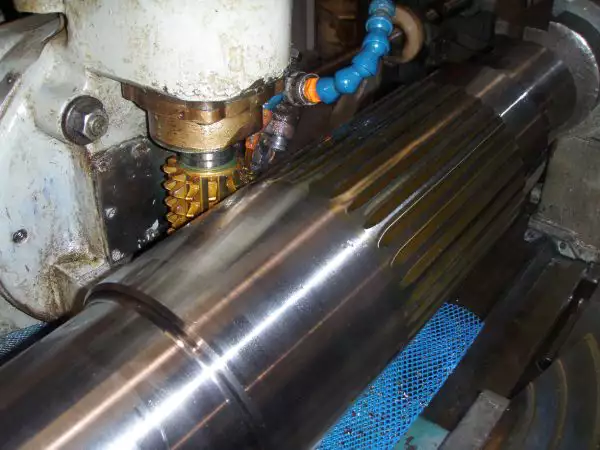
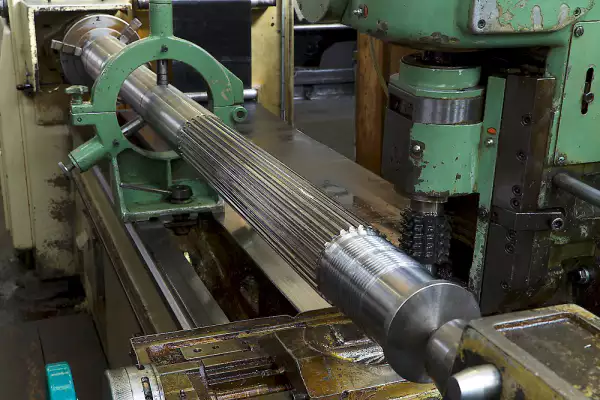
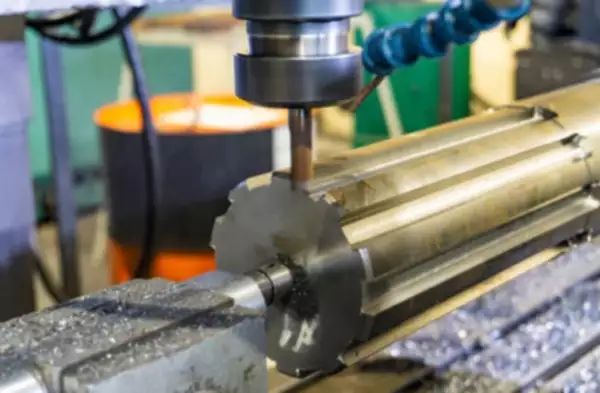
The chosen methodology for re-splining can also impose limitations. Different methods, such as hobbing, broaching, or milling, have their own advantages and constraints. Factors like cost, precision, and time constraints should be considered when selecting the appropriate method for re-splining the existing shaft.
4. Load Capacity
The load capacity of the re-splined shaft is another crucial limitation to address. Modifying the existing splines can potentially affect the shaft’s ability to withstand torque, radial loads, or axial forces. It is vital to evaluate the load requirements and ensure that the re-splined shaft can meet the necessary performance criteria.
5. Tolerance and Fit
Tolerance and fit play a significant role in the functionality of a re-splined shaft. The accuracy of the spline dimensions and the fit between the shaft and mating components can impact the overall performance and reliability. Careful consideration of the tolerance requirements and fit specifications is essential to avoid issues such as backlash or excessive interference.
6. Cost and Time Considerations
The re-splining process can involve significant costs and time considerations. Factors such as tooling, machinery setup, material waste, and labor can contribute to the overall expenses. Additionally, the time required for re-splining and any associated downtime should be carefully evaluated to minimize disruption to the system or operation.
Conclusion
Re-splining an existing shaft offers opportunities for repair or modification, but it is essential to understand the limitations involved. Compatibility with shaft material, dimensional constraints, splining methodology, load capacity, tolerance and fit, as well as cost and time considerations, all need to be carefully addressed. By considering these limitations, one can make informed decisions and ensure the successful re-splining of a shaft.
Our company specializes in the production and sale of various types of gears and spline shafts. With years of experience in the industry, we have established ourselves as a leading provider of high-quality products. Here are five advantages that set our company apart:
Advantages of Choosing Our Company
- Exceptional Quality: We adhere to strict quality standards to deliver reliable and durable gear and spline shaft products.
- Wide Range of Options: We offer a diverse selection of spline shafts to meet the unique needs of our customers.
- Customization Capabilities: Our team of experts can provide customized solutions to accommodate specific requirements.
- Advanced Manufacturing Techniques: We utilize state-of-the-art manufacturing techniques to ensure precision and efficiency.
- Timely Delivery: We understand the importance of meeting deadlines and strive to deliver our products on time.

Spline Shaft Working Principles and Functions
A spline shaft is a mechanical component that transfers torque between two or more mating parts. It consists of a series of ridges or teeth on the shaft, which interlock with corresponding grooves or slots in the mating parts. This design allows for efficient power transmission and prevents slippage.
Spline Shaft Design and Selection Guide
When designing and selecting a spline shaft, several factors need to be considered. These include the required torque capacity, operating conditions, material compatibility, and dimensional specifications. Our team of experts can provide guidance and assistance throughout the design and selection process.
Spline Shaft Manufacturing and Machining Techniques
The manufacturing of spline shafts involves various techniques, including cutting, grinding, and heat treatment, to ensure the desired dimensions, surface finish, and strength. Our advanced manufacturing facilities and skilled technicians are equipped to handle complex machining requirements and deliver high-quality spline shafts.
Spline Shaft Applications and Industry Practices
Spline shafts are widely used in various industries, including automotive, aerospace, and machinery. They are commonly found in power transmission systems, steering mechanisms, and gearboxes. Our extensive industry experience allows us to provide practical and effective solutions tailored to specific applications.
Partnering with us means gaining access to top-notch gear and spline shaft products, exceptional technical support, and reliable customer service. We are committed to exceeding your expectations and building long-lasting partnerships. Contact us today to discuss your requirements and explore the possibilities of collaboration.
Author: Miya