How do I perform a failure analysis on a broken spline shaft?
1. Introduction
In order to properly perform a failure analysis on a broken spline shaft, it is important to have a thorough understanding of the various factors that can contribute to its failure. This article will provide a comprehensive guide on how to analyze a broken spline shaft and identify the root cause of the failure.
2. Overview of Spline Shafts
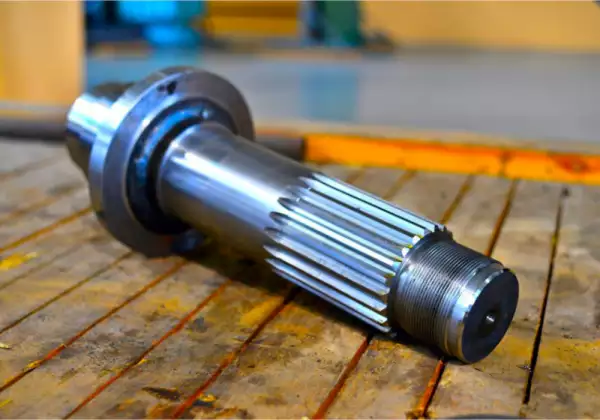
A spline shaft is a mechanical component used in power transmission systems to connect two or more rotating shafts. It consists of a series of ridges or teeth, known as splines, which mate with corresponding grooves on another component to transmit torque.
3. Visual Inspection
The first step in performing a failure analysis on a broken spline shaft is to visually inspect the shaft for any signs of damage or wear. Look for fractures, cracks, or any other visible abnormalities that could have led to the failure. It is important to note the location and extent of the damage for further analysis.
4. Material Analysis
Next, it is crucial to analyze the material composition of the spline shaft. This can be done through various techniques such as spectroscopy, microscopy, or chemical analysis. By understanding the material properties, it is possible to determine if the failure was caused by inadequate material strength or improper heat treatment.
5. Fracture Surface Examination
Examining the fracture surface of the broken spline shaft can provide valuable insights into the failure mechanism. The use of scanning electron microscopy (SEM) can reveal the presence of fatigue striations, brittle fractures, or other characteristic features that can help identify the cause of failure.
6. Finite Element Analysis (FEA)
Performing a finite element analysis can help simulate the loading conditions and stresses experienced by the spline shaft. By inputting the material properties, geometry, and boundary conditions into a computer model, it is possible to identify stress concentrations, areas of high strain, or potential weak points that could have led to the failure.
7. Lubrication and Surface Treatment Assessment
Another important aspect to consider in failure analysis is the lubrication and surface treatment of the spline shaft. Improper lubrication or the presence of contaminants can result in increased friction and wear, leading to premature failure. Inspecting the lubrication system and evaluating the surface treatment quality is essential in identifying any potential issues.
8. Environmental and Operational Conditions
Understanding the environmental and operational conditions under which the spline shaft was used is crucial in failure analysis. Factors such as temperature, humidity, vibration, and operating load can significantly influence the performance and lifespan of the shaft. Collecting data on these conditions can help determine if they played a role in the failure.
9. Root Cause Identification
Based on the findings from the previous steps, it is now possible to identify the root cause of the spline shaft failure. Whether it was due to material defects, improper design, inadequate lubrication, excessive loading, or a combination of factors, determining the root cause is essential to prevent similar failures in the future.
10. Preventive Measures
Finally, it is crucial to outline preventive measures to avoid future failures of spline shafts. This can include material quality control, proper design and manufacturing processes, regular inspections and maintenance, as well as implementing appropriate lubrication and surface treatment techniques.
11. Conclusion
Performing a failure analysis on a broken spline shaft requires a systematic approach that involves visual inspection, material analysis, fracture surface examination, finite element analysis, assessment of lubrication and surface treatment, and consideration of environmental and operational conditions. By identifying the root cause and implementing preventive measures, it is possible to improve the reliability and durability of spline shafts in various applications.
Our company specializes in the production and sales of various types of gears and spline shafts. With years of experience in the industry, we have established ourselves as a leading expert in the field. Here are five key advantages of choosing our company:
1. High-Quality Products
At our company, we prioritize the quality of our products. Each spline shaft goes through a rigorous quality control process to ensure its durability and reliability. We use top-grade materials and advanced manufacturing techniques to deliver superior products to our customers.
2. Customization Options
We understand that every project has unique requirements. That’s why we offer a wide range of customization options for our spline shafts. From different sizes and materials to specific designs and finishes, we can tailor our products to meet your exact specifications.
3. Expert Engineering Support
Our team of experienced engineers is always ready to provide comprehensive support and guidance throughout the entire process. Whether you need assistance with spline shaft design, selection, or troubleshooting, we have the expertise to help you make the right decisions.
4. Timely Delivery
We value our customers’ time and understand the importance of meeting deadlines. With our efficient production processes and strong supply chain management, we ensure that your orders are delivered on time, every time.
5. Competitive Pricing
Despite offering high-quality products and exceptional services, we strive to keep our pricing competitive. We believe in building long-term relationships with our clients based on trust and mutual benefit.
Spline Shaft Working Principle and Function
A spline shaft is a mechanical component that is used to transmit torque while allowing for relative movement between two connected parts. It consists of a series of ridges or teeth on the outer surface, which fit into corresponding grooves on another component, creating a strong and efficient connection. The spline shaft ensures smooth power transmission and enhances the overall performance of the system.
Spline Shaft Design and Selection Guide
Designing and selecting the right spline shaft for your application is crucial to achieving optimal performance and longevity. Factors such as torque requirements, speed, load conditions, and environmental factors must be considered. Our comprehensive design and selection guide provide valuable insights and recommendations to assist you in making informed decisions.
Spline Shaft Manufacturing and Processing Techniques
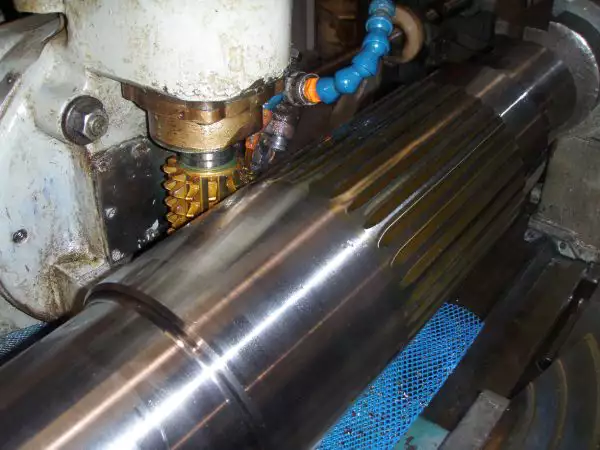
The manufacturing and processing techniques employed in producing spline shafts play a significant role in their quality and performance. Our company utilizes state-of-the-art machinery and follows industry-leading practices to ensure precise manufacturing, accurate dimensions, and excellent surface finish. We employ various techniques such as hobbing, shaping, grinding, and heat treatment to produce spline shafts that meet the highest standards.
Spline Shaft Application Examples and Industry Practices
Spline shafts find applications in a wide range of industries, including automotive, aerospace, machinery, and more. Our extensive experience in serving diverse industries has allowed us to accumulate valuable knowledge and insight into best practices. We have successfully implemented spline shaft solutions in various real-world scenarios and can share practical examples of their application.
Partner with us today to experience the benefits of our high-quality spline shafts, expert support, and reliable service. Contact us now to discuss your specific requirements and how we can assist you in achieving your goals.
Author: Miya