Drop forged rivetless chains are an essential component in many industrial applications. They are well known for their durability and long-lasting performance. However, like any other machine component, they wear out over time. Hence, it is crucial to know when to replace these chains to avoid costly downtime and accidents.
Signs that a drop forged rivetless chain needs replacement
-
Excessive wear and elongation:
Wear and elongation are the most common reasons for chain failure. As the chain ages, it stretches and elongates, which leads to poor performance and, in extreme cases, chain breakage. If you notice significant chain elongation, it’s time to replace the chain.
-
Abrasive wear:
Abrasive wear occurs when the chain comes into contact with abrasive materials, such as dirt, sand, or grit. This type of wear can cause significant damage to the chain, leading to poor performance and reduced service life. Regular cleaning and lubrication can help reduce abrasive wear.
-
Corrosion:
Corrosion is a common problem in industrial environments, particularly when exposed to moisture and chemicals. Over time, corrosion can weaken the chain, leading to failure. If the chain shows signs of corrosion, it’s essential to replace it as soon as possible.
-
Catastrophic damage:
Catastrophic damage can occur due to overloading or shock loading. In such cases, the chain may break or fail, leading to equipment damage and downtime. Regular inspection and maintenance can help identify potential issues before they become catastrophic.
Regular inspection, cleaning, and maintenance can help prolong the life of your drop forged rivetless chain. However, if you notice any of the above signs, it’s essential to replace the chain to avoid costly downtime and accidents.
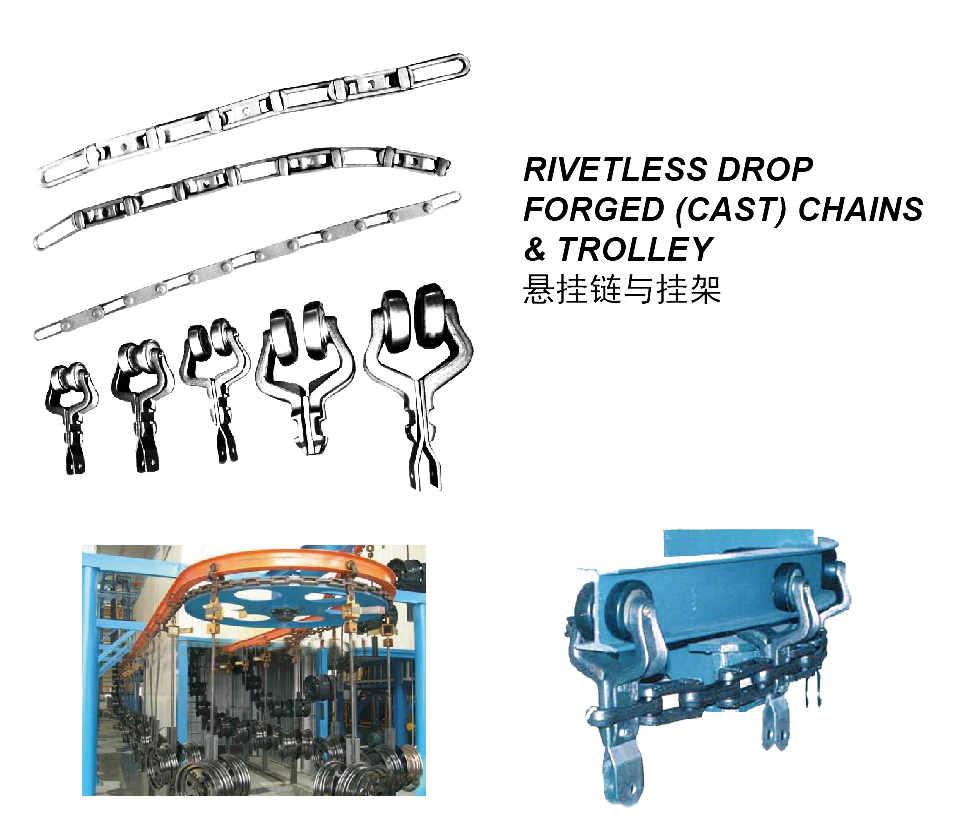
How to replace a Drop Forged Rivetless Chain
Replacing a drop forged rivetless chain can be a time-consuming task, but it is crucial to ensure that the new chain is properly installed and aligned. Here are the steps to replace a drop forged rivetless chain:
- Disconnect the old chain from the sprocket and remove it from the conveyor.
- Remove any remaining pins or links from the old chain.
- Align the new chain with the sprocket and feed it through the conveyor.
- Connect the new chain using the appropriate connecting link or pin.
- Adjust the tension of the new chain to the manufacturer’s specifications.
It is crucial to follow the manufacturer’s instructions and use the appropriate tools and equipment when replacing a drop forged rivetless chain.
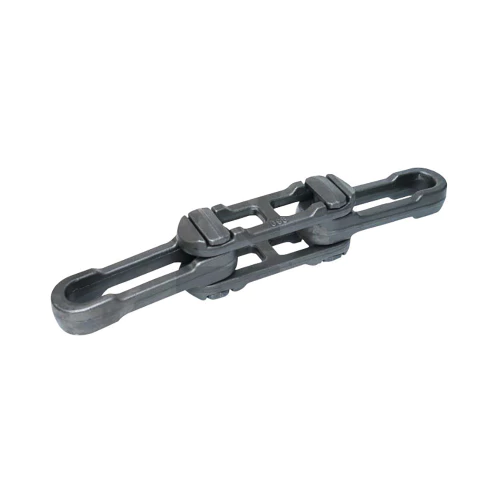
Types of drop forged rivetless chains
Drop forged rivetless chains come in different types, each with its unique features and applications. The most common types include:
-
Standard chain:
This is the most common type of drop forged rivetless chain. It is made of high-quality steel and is suitable for most industrial applications.
-
Double pitch chain:
Double pitch chains have longer pitches than standard chains, making them suitable for longer conveyors and applications that require more extended pitches.
-
Heavy-duty chain:
Heavy-duty chains are designed for applications that require higher strength and durability. They are suitable for heavy-duty conveyors and applications that require high loads.
Choosing the right chain for your application is crucial to ensure optimal performance and longevity.
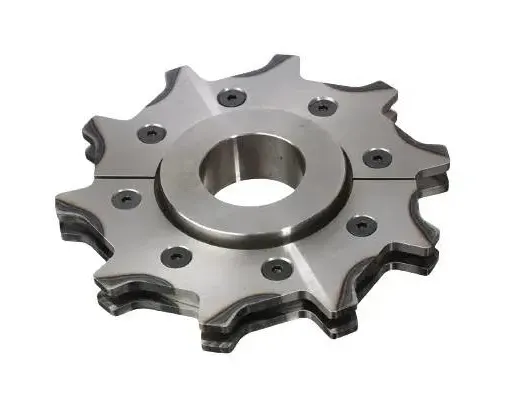
Sprockets for Drop Forged Rivetless Chains
Drop forged rivetless chains work in conjunction with sprockets to ensure optimal performance and longevity. Sprockets are toothed wheels that mesh with the chain to transmit power and motion. They are available in different sizes and configurations to match various chain types and applications.
Choosing the right sprocket for your drop forged rivetless chain is crucial to ensure optimal performance and longevity. The sprocket must match the chain’s pitch, width, and number of teeth to ensure proper engagement and transmission of power.
At our company, we offer a wide range of sprockets for drop forged rivetless chains. Our sprockets are made of high-quality steel and are designed to match various chain types and applications. We also offer custom sprockets to match specific customer requirements.
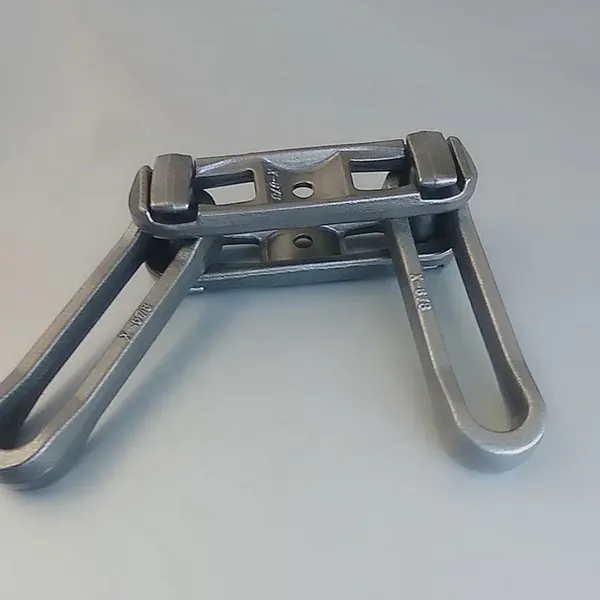
Malleable Chains
In addition to drop forged rivetless chains and sprockets, we also offer malleable cast iron chains. Our malleable chains are well known for their exceptional quality, durability, and reliability in diverse industrial applications.
Our malleable cast iron construction provides robustness while maintaining flexibility, offering a balance between strength and adaptability. We remain price competitive without compromising on quality. Our commitment to providing cost-effective solutions makes our malleable chains a prudent choice for businesses seeking both value and performance.
Moreover, we are dedicated to exceptional service. Our customer-centric approach involves timely delivery, reliable support, and a responsive team ready to assist at every stage. From product inquiries to after-sales service, we prioritize customer satisfaction, fostering long-term partnerships built on trust and reliability.
Our malleable casting chains stand out for our quality craftsmanship, competitive pricing, and unwavering commitment to superior service, making them a trusted choice in the industrial chain market.

Sprockets for Drop Forged Rivetless Chains Q&A
Q: What is the difference between a standard chain and a heavy-duty chain?
A: A heavy-duty chain is designed for applications that require higher strength and durability. It is suitable for heavy-duty conveyors and applications that require high loads. On the other hand, a standard chain is suitable for most industrial applications.
Q: How do I choose the right sprocket for my drop forged rivetless chain?
A: The sprocket must match the chain’s pitch, width, and number of teeth to ensure proper engagement and transmission of power. At our company, we offer a wide range of sprockets for drop forged rivetless chains, and our experts can guide you in choosing the right sprocket for your application.
Q: How often should I replace my drop forged rivetless chain?
A: The frequency of replacement depends on several factors, including the application, operating conditions, and maintenance practices. Regular inspection and maintenance can help identify potential issues before they become critical. It is crucial to replace the chain when it shows signs of wear, elongation, corrosion, or catastrophic damage.
Edited by Zqq.